6 Must-Have Japanese Online Shopping Apps for Buying from Japan
Ever tried downloading a Japanese online shopping app, only to realize you can’t even sign up?
That’s the part most people don’t expect. Browsing is easy. Finding products is even easier. But the moment you try to create an account, add a payment method, or check out, things start to fall apart.
The problem isn’t the lack of options. In fact, Japan has some of the most active shopping apps in the world, covering everything from everyday products to second-hand deals and hard-to-find collectibles. The real issue is that most of them are built for local users, not for someone shopping from overseas.
This creates a gap. You know what to buy. You just can’t complete the purchase the way the app expects you to.
If you’re trying to figure out which Japanese online shopping apps are actually worth using and how to get past these limitations, this guide breaks down 6 must-have apps and shows you which ones work best depending on how and where you shop.
Why Japanese Online Shopping Apps Are Worth Trying
The Japanese digital landscape offers a level of variety and quality that is difficult to match elsewhere. Here is why international and local shoppers are flocking to these apps in 2026:
Explosive market growth: The Japanese B2C e-commerce market is expanding by 7.6% annually, reaching an estimated $258 billion in 2025 and continuing its upward trajectory through 2026 (ResearchAndMarkets, 2026).
Trust and authenticity: Japan has some of the world's strictest anti counterfeit laws. When you shop on a major Japanese app, the probability of receiving an authentic product is significantly higher than on global third party sites.
The "Mottainai" resale culture: The Japanese second-hand market is a goldmine. C2C (Consumer to Consumer) apps have seen a CAGR of over 10%, as Japanese sellers are famous for keeping items in "Like New" condition while selling them at deep discounts.
Exclusive app-only deals: Many retailers, including giants like Rakuten and ZozoTown, offer "App First" coupons and loyalty points that are not available on their desktop websites.
Superior mobile logistics: In 2026, the integration between shopping apps and Japanese logistics allows for real-time tracking and delivery speeds that often beat international standards.
6 Must-Have Japanese Online Shopping Apps for Different Needs
Once you start exploring Japanese online shopping apps, you’ll notice that each one is built for a very specific type of buying behavior. Some are designed for everyday purchases, others focus on second-hand deals or auction-based listings, and not all of them are accessible if you’re outside Japan.
Before going into each app in detail, here’s a quick overview to help you understand which one fits your needs and whether it works for local or international users.
App | Best For | Type | Works Outside Japan |
Rakuten App | Everyday shopping, official stores | Marketplace | Limited |
Amazon Japan App | Fast orders, simple checkout | Retail + marketplace | Partial |
Mercari App | Second-hand deals, trending items | Resale marketplace | No |
Rakuma App | Budget-friendly resale items | Resale marketplace | No |
Yahoo Auctions App | Rare items, collectibles | Auction platform | No |
Janbox App | Shopping from Japan internationally | E-commerce platform | Yes |
For Local Users in Japan
If you’re living in Japan, these apps are usually the first ones people turn to for everyday shopping. They are built for local users, which means everything from payment to delivery is designed to work smoothly without extra steps.
Rakuten App: Everyday Shopping & Official Stores
The Rakuten app is a central part of the "Rakuten Ecosystem," a massive network of services that reward you for staying loyal to the brand. In 2026, it remains the second most popular e-commerce platform in Japan by traffic, but it leads the market with over 100 million registered members (MailMate, 2026).
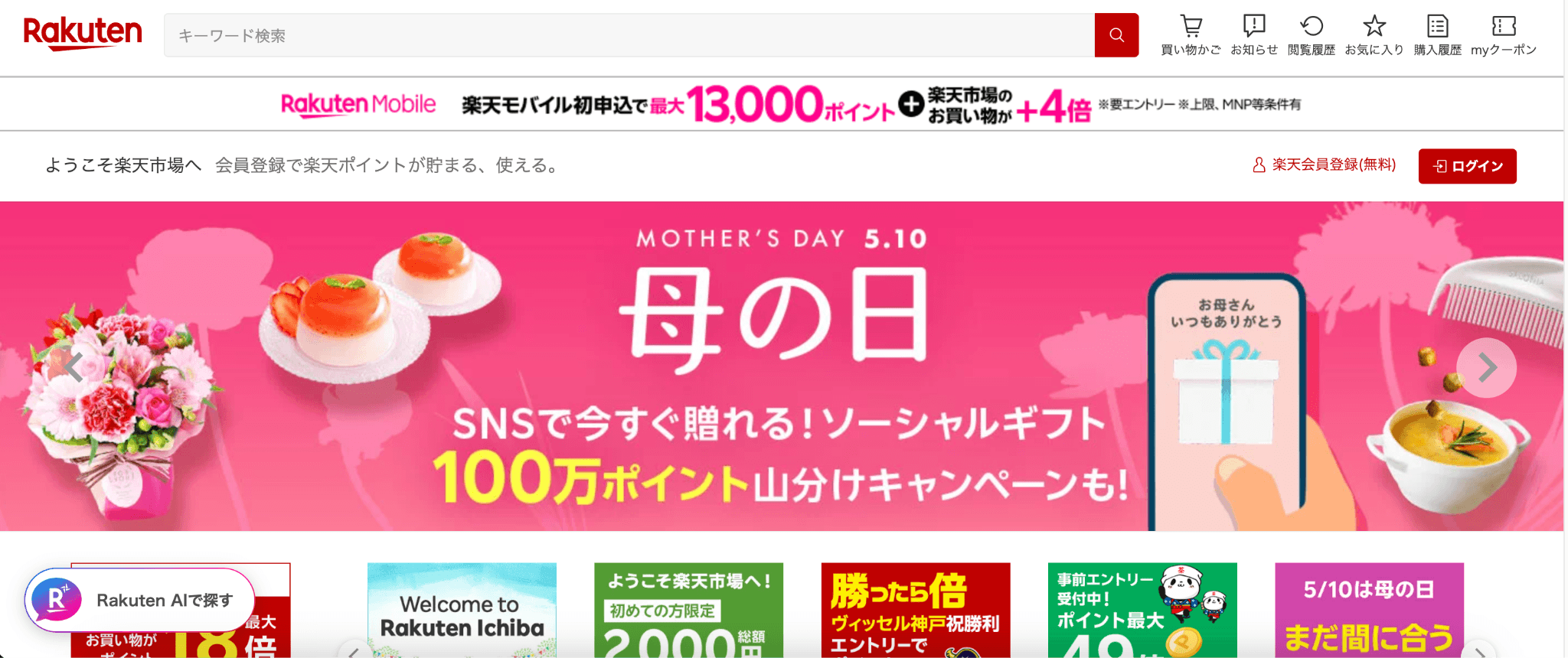
Rakuten Super Points: This is the app’s biggest draw. Every purchase earns you points that can be used like cash across other services, such as paying your Rakuten Mobile bill or booking a hotel through Rakuten Travel.
Official brand storefronts: Unlike other marketplaces, Rakuten allows brands to customize their own "mini shops" within the app, providing a premium shopping experience for high end electronics and fashion.
Rakuten pay integration: For local residents, the app seamlessly connects with Rakuten Pay, allowing you to earn points both online and when scanning QR codes at local convenience stores.
Amazon Japan App: Fast Orders & Easy Checkout
Amazon Japan continues to be the most visited e-commerce platform in the country, recording over 562 million visits per month (MailMate, 2026). The app is highly optimized for the fast paced lifestyle of urban Japan, offering features that prioritize speed and ease of use.
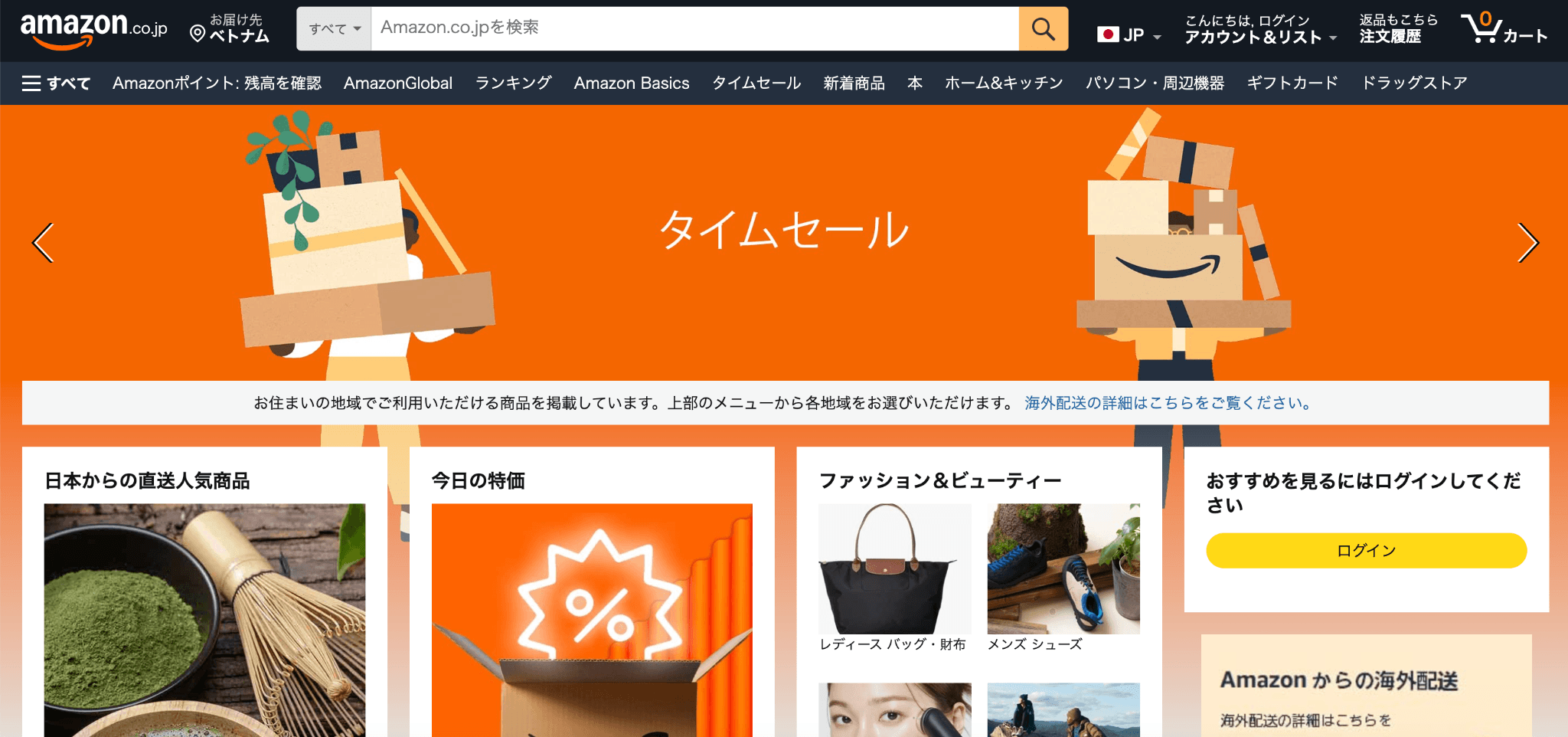
Hyper-fast logistics: With an expanded network of fulfillment centers, the "lightning" Now icon in 2026 indicates that certain essentials can be delivered within minutes or hours in over 100 major cities.
AI-powered discovery: The app now features "Rufus," a generative AI assistant that helps you find products through natural prompts like "suggest summer outfits for a Tokyo vacation" or compare energy-efficient appliances.
Biometric security: To ensure quick and secure checkout, the app allows you to stay signed in and authorize purchases using facial or fingerprint identification, removing the need to remember passwords every time you shop.
Mercari App: Second-Hand Deals That Sell Fast
Mercari is the undisputed leader of Japan’s "flea market" app scene, boasting over 22 million monthly active users as of 2026 (Sharetribe, 2026). It has revolutionized the circular economy by making it incredibly easy for individuals to sell high-quality items they no longer need.
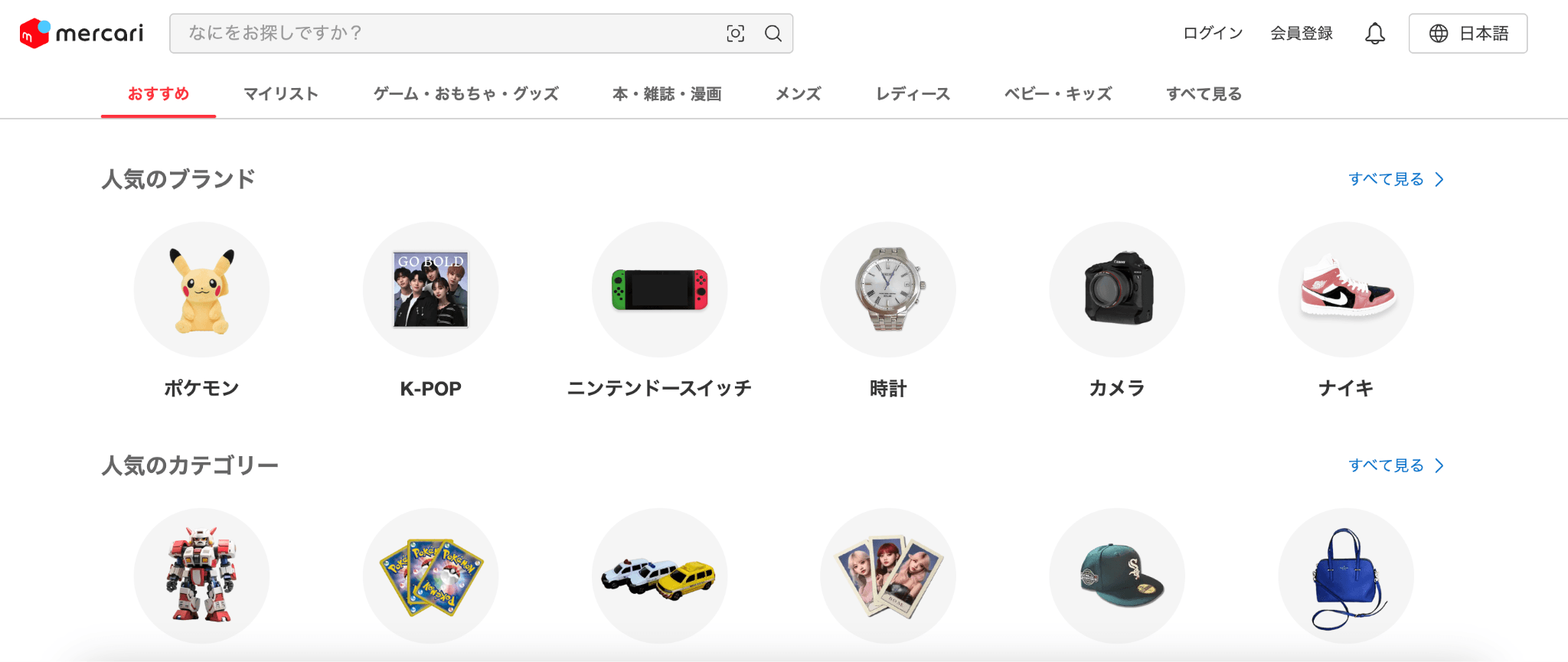
Lightning fast sales: The platform is famous for its turnover speed; it is estimated that over 500,000 items are sold daily, with many popular products finding a buyer within seconds of being listed.
AI-assisted listing: For local sellers, Mercari’s 2026 update includes advanced AI that automatically suggests pricing and categories just by scanning a product's barcode or photo, reducing listing time to under five minutes.
Secure escrow system: The app holds the buyer’s payment in a secure "vault" and only releases it to the seller once the buyer confirms the item has arrived as described, providing peace of mind for peer-to-peer transactions.
Rakuma App: Budget-Friendly Local Listings
Owned by the Rakuten Group, Rakuma is the primary rival to Mercari and is often the preferred choice for budget-conscious shoppers in Japan. Because it integrates deeply with the Rakuten ecosystem, it offers financial advantages that are hard to beat.
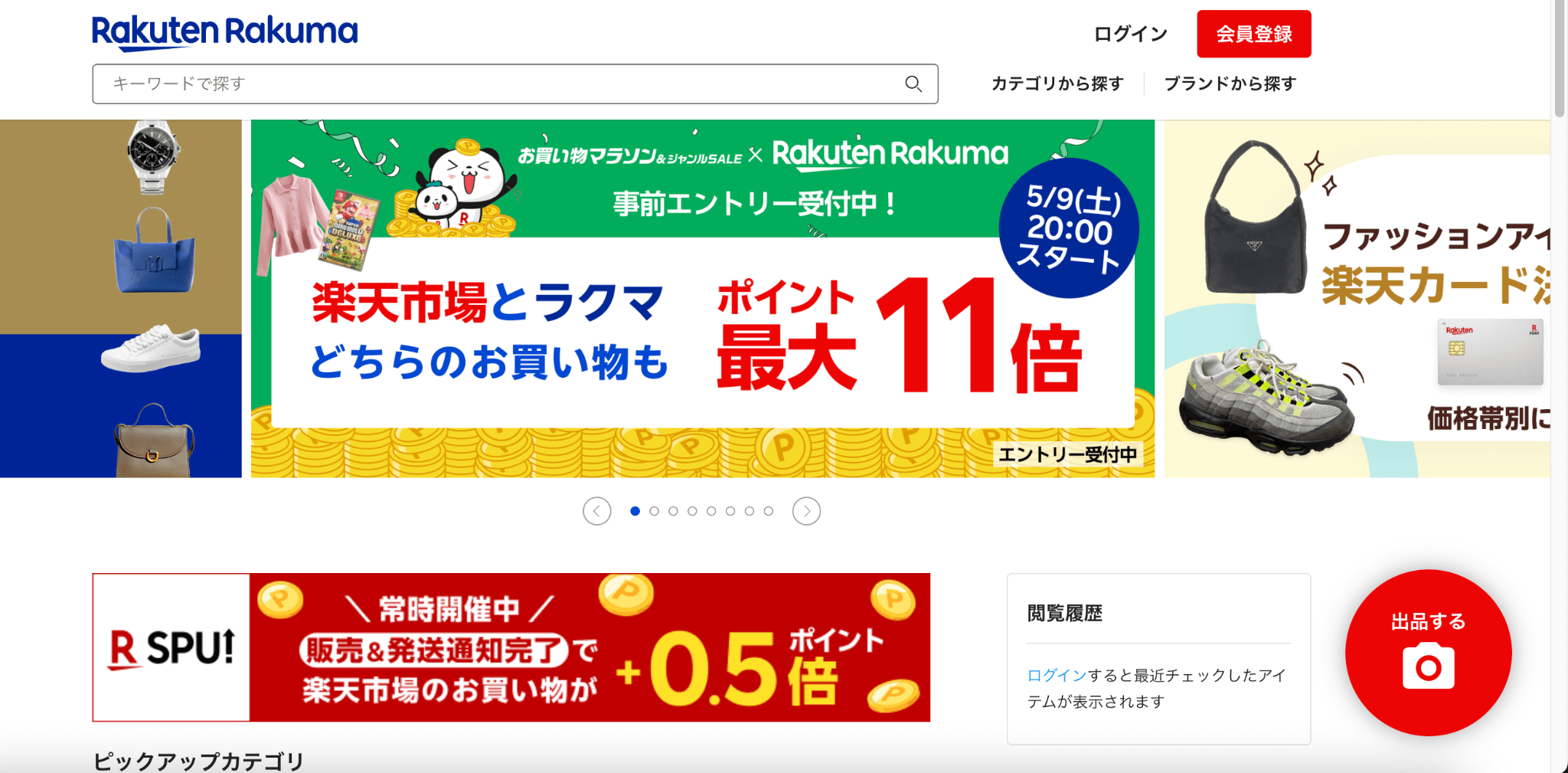
Lower seller commissions: Rakuma typically charges lower transaction fees than its competitors. This often results in sellers listing their items at slightly lower prices, passing the savings directly to you.
Rakuten points integration: You can use your accumulated Rakuten Points to pay for items on Rakuma, making it a "zero cash" shopping experience for those who use other Rakuten services like mobile or credit cards.
Authentication services: To compete in the high-end market, Rakuma has expanded its "Rakuma Appraisal" service in 2026, where luxury items are professionally vetted for authenticity before they reach the buyer.
Yahoo Auctions App: Rare Items & Collector Bidding
While most of the world has moved toward fixed price shopping, auction culture remains vibrant in Japan. Yahoo Auctions (often called "Yafuoku") is the ultimate destination for hobbyists and serious collectors.
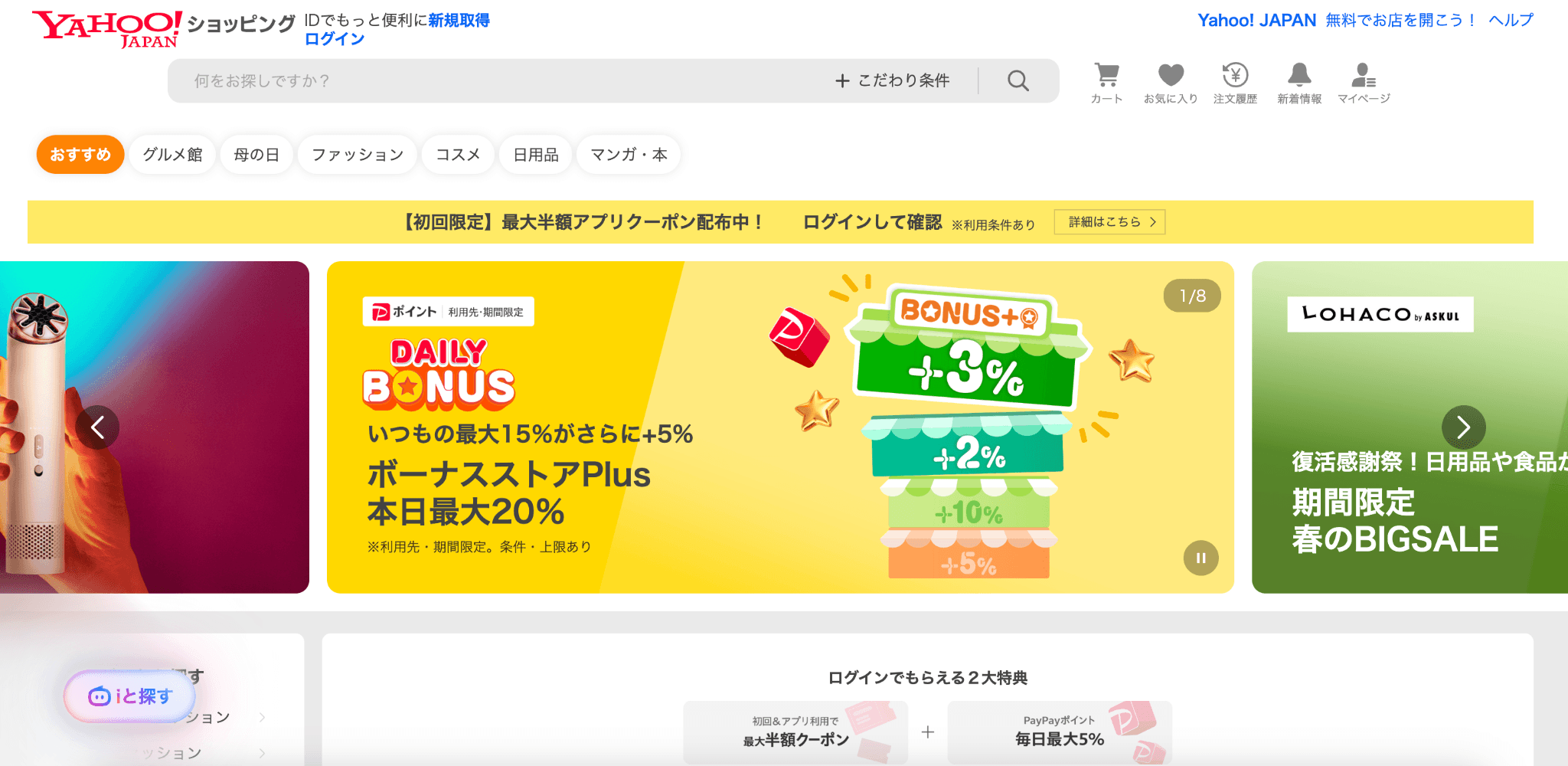
Tens of millions of active listings: In 2026, it remains Japan's largest online auction platform, featuring a massive inventory that ranges from vintage car parts and antique cameras to rare trading cards and "one of a kind" anime cels.
Real-time bidding culture: The app is designed for "the final minute" thrill. It features a robust notification system that alerts you the moment you have been outbid, which is crucial since many Japanese auctions see the most intense activity in the closing seconds.
Bundle lots: One of the best ways to save money on the app is through "bulk lots," where sellers clear out entire collections of games or toys at once. This is a favorite strategy for collectors looking to flip items or complete a set quickly.
For International Users
While local apps are great for residents, most Japanese retailers do not ship abroad or accept foreign credit cards. This is where specialized proxy apps become essential for global fans.
Janbox App: Shop Across Japanese Marketplaces Worldwide
Janbox is an all-in-one cross-border e-commerce platform designed to bridge the gap between Japan’s domestic market and international buyers. As of 2026, it has expanded its reach to over 220 countries and territories, offering access to over 7 billion authentic products from Japan’s most renowned websites (Ezbuy Japan, 2026).
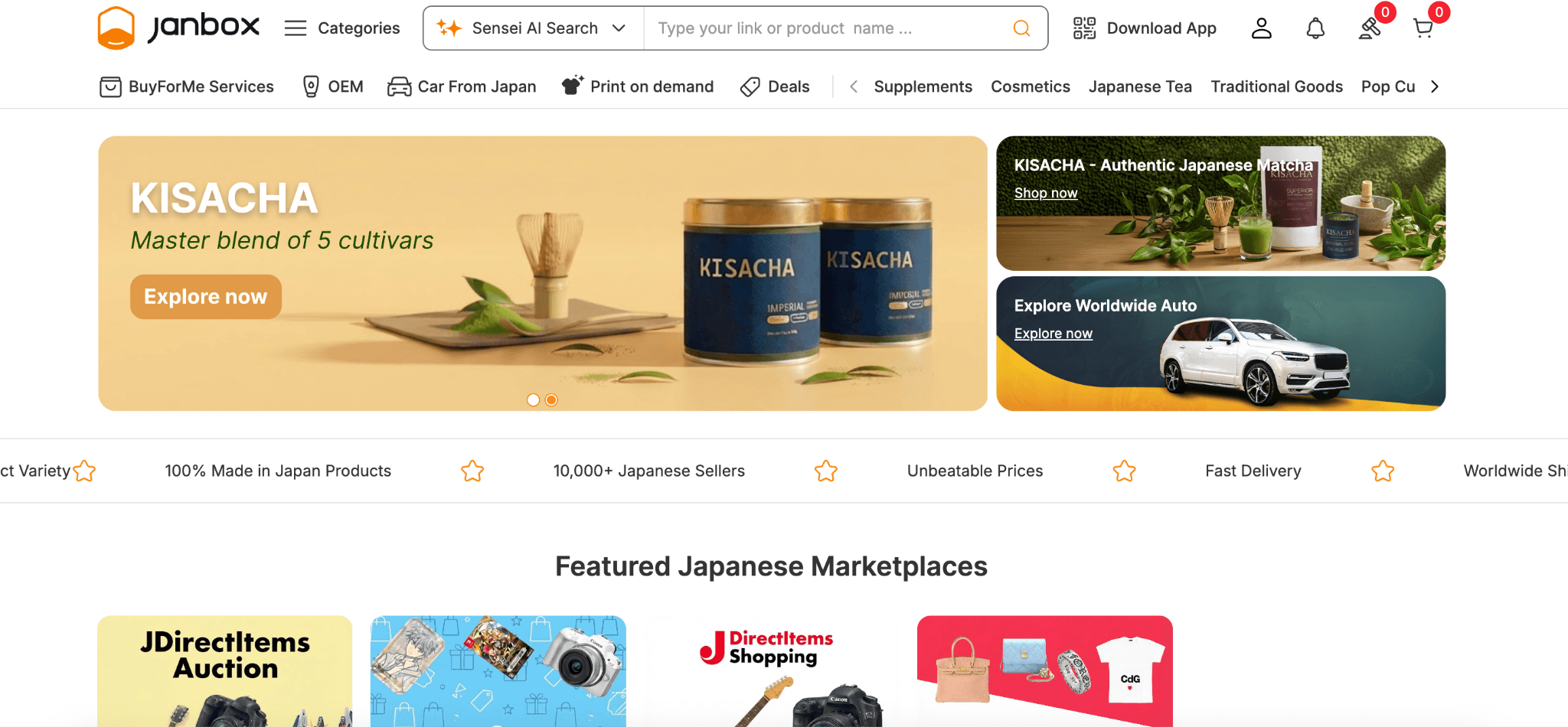
Unified marketplace access: The app integrates major platforms like Yahoo Auctions (also called JDirectItems Auction), Mercari, Rakuten, and Amazon Japan into a single search bar. You no longer need to navigate multiple Japanese-only sites; Janbox aggregates the deals and translates the listings into English and other languages in real time.
Smart proxy bidding & buying: You can place real-time bids on Yahoo Auctions or "Buy It Now" on Mercari without needing a Japanese phone number or address. The app manages the domestic transaction and provides a Japanese warehouse address for your items to be sent to.
Cost-Saving consolidation: One of Janbox’s standout features is its "Repack and Combine" service. If you buy a shirt from ZozoTown and a figure from Surugaya, Janbox will store them for free in their Tokyo warehouse, consolidate them into a single box, and ship them internationally to save you up to 80% on shipping costs.
Secure international payments: The app supports a wide variety of global payment methods, including PayPal, international credit cards, and Alipay. This bypasses the common "Japanese card only" restriction found on most local sites.
Quality inspection & insurance: For peace of mind, international users can request protective packaging and item inspection services to ensure that what arrives at their doorstep is exactly what they ordered before it leaves Japan.
Why These Japanese Online Shopping Apps Are Hard to Use Overseas
The region-lock wall: Nhiều ứng dụng không hiển thị trên kho ứng dụng ngoài khu vực Nhật Bản.
SMS verification hurdles: Yêu cầu bắt buộc phải có số điện thoại nội địa Nhật để kích hoạt tài khoản.
Payment rejection: Hệ thống thanh toán trong ứng dụng thường từ chối các loại thẻ tín dụng quốc tế.
How Janbox Unlocks Every Japanese Online Shopping App for You
Trying to use a Japanese online shopping app from outside Japan can feel frustrating pretty quickly. You might find the product you want, but then get stuck on account verification, payment, or shipping options that only work locally.
Janbox helps simplify that process. Instead of figuring out how to make each app work on its own, you can use one platform to access products from different Japanese marketplaces without needing a local phone number, address, or payment method. This makes it possible to use Japanese shopping apps in a way that actually works for international buyers, instead of stopping halfway through the process.
Key features
To make the process more manageable, Janbox focuses on a few key capabilities that connect browsing, purchasing, and delivery into one consistent flow.
Integrated proxy interface: Janbox provides a unified dashboard that connects directly to giants like Amazon Japan, Rakuten, and Yahoo Auctions. You can search for products in your native language, and the app’s real-time translation engine will instantly convert Japanese listing details, helping you understand product conditions and specifications without external tools.
Secure in-app purchasing: One of the biggest barriers to Japanese retail is the refusal of international credit cards. Janbox solves this with a secure "Janbox Wallet" system. You can fund your account using PayPal, Alipay, or major global credit cards, and Janbox handles the transaction with the Japanese seller on your behalf.
Consolidated global shipping: To maximize value, Janbox offers a smart consolidation service. Instead of paying individual international shipping fees for every item, you can store your purchases for free in the Janbox warehouse for up to 45 days. Once all your items arrive, the team will repack and combine them into a single box, reducing international shipping costs by up to 80%.
Quality inspection protocol: To eliminate the risk of receiving damaged or incorrect items, Janbox offers a rigorous inspection service. Upon arrival at the Japanese warehouse, staff can provide high-resolution photos of your items and verify their condition against the listing, ensuring you never pay for a "dud" before it leaves the country.
How to start with Janbox: Step-by-step Guide
Once you understand how the platform works, the next step is to go through the ordering process. The flow is straightforward and follows the same structure from searching for a product to receiving it at your address.
Download and register: Install the Janbox app from the App Store or Google Play and create an account.
Search or paste: Use the integrated search bar to browse Japanese marketplaces directly within the app, or simply paste a URL from a site like Mercari or Yahoo Auctions into the Janbox search field.
Add to cart and pay: Once you find your item, add it to your Janbox cart. Pay the first charge, which covers the item’s price and any domestic shipping within Japan.
Warehouse arrival and inspection: Janbox will receive your item at their Tokyo warehouse. You will be notified to check the item’s photos and confirm its condition.
Consolidate and ship: Select the items you want to send home, choose your preferred international carrier (such as FedEx, DHL, or EMS), and pay the final shipping fee. Your Japanese haul will be at your doorstep in days!
Conclusion
Japanese online shopping apps give you access to a much wider range of products than most global platforms, especially when it comes to second-hand deals and hard-to-find items. Each app serves a different purpose, so it’s common to move between them depending on what you want to buy.
The challenge usually starts after that. Many apps work well for browsing but fall short when it comes to payment or shipping for international users. Once you understand that gap, it becomes easier to approach these apps the right way and actually complete the purchase instead of stopping halfway through.
FAQs
Why can I browse Japanese apps but fail at checkout?
Most apps allow public access to listings, so browsing works without restrictions. The problems appear at later stages. Checkout often requires a verified account, local payment method, or domestic shipping address. These steps are designed for users in Japan, which is why international buyers usually get blocked at this point.
Do Japanese sellers usually ship internationally?
In many cases, they don’t. A large number of sellers only handle domestic orders. Even if the platform itself is accessible, individual sellers may not offer international delivery, which limits your ability to complete the purchase directly.
Is it better to use resale apps or marketplace apps?
It depends on what you’re trying to buy. Marketplace apps are more stable and easier for everyday purchases, while resale apps offer better pricing and access to items that are no longer available at retail. Many buyers end up using both, depending on the situation.
Why do items sell so quickly on apps like Mercari?
Resale platforms in Japan have very high activity. New listings appear constantly, and popular items attract immediate attention. Buyers who are familiar with the platform tend to act fast, which is why some products are sold within minutes.
What is the easiest way to shop from Japanese apps if I live overseas?
The easiest approach is to avoid handling each app separately. Instead of dealing with different accounts, payment systems, and shipping limitations, it’s more practical to use a setup that allows you to manage everything in one place and complete the process without interruptions.
Table of Contents