Best Matcha to Buy in Japan: A Tea Lover's Guide to Japan's Most Famous Matcha
There is a distinct magic to Japan that captivates almost every traveler's bucket list. For many of us, it is a dream to finally step foot in the Land of the Rising Sun to wander through the historic, mist-shrouded streets of Kyoto, witness the seamless blend of tradition and modernity, and slow down to appreciate the country’s refined aesthetics. But for true matcha lovers, this journey holds an entirely different level of excitement: it is a pilgrimage to the absolute birthplace of the world’s finest green tea.
Yet, once you actually find yourself standing in front of the overwhelming tea walls in Tokyo or Uji, that romantic dream can quickly turn into decision paralysis. With hundreds of tins wrapped in beautiful but unreadable Japanese kanji, how do you separate the mass-produced tourist souvenirs from the authentic, artisan blends? How do you ensure the tin you're buying matches the exact flavor profile you enjoy at home?
In this guide, we'll break down the main types of matcha you'll encounter in Japan, how to choose the right one for your taste and budget, the most respected matcha brands to look for, where locals shop for quality tea, and how to keep your matcha fresh long after your trip ends.
The Core Types of Matcha Available in Japan
One mistake many first-time buyers make is assuming that all matcha is essentially the same. In reality, Japanese matcha is produced for very different purposes, and understanding these categories will save you from spending too much on the wrong product or being disappointed when you get home.
Before looking at specific brands, it's worth understanding the four main types of matcha you'll encounter in Japan.
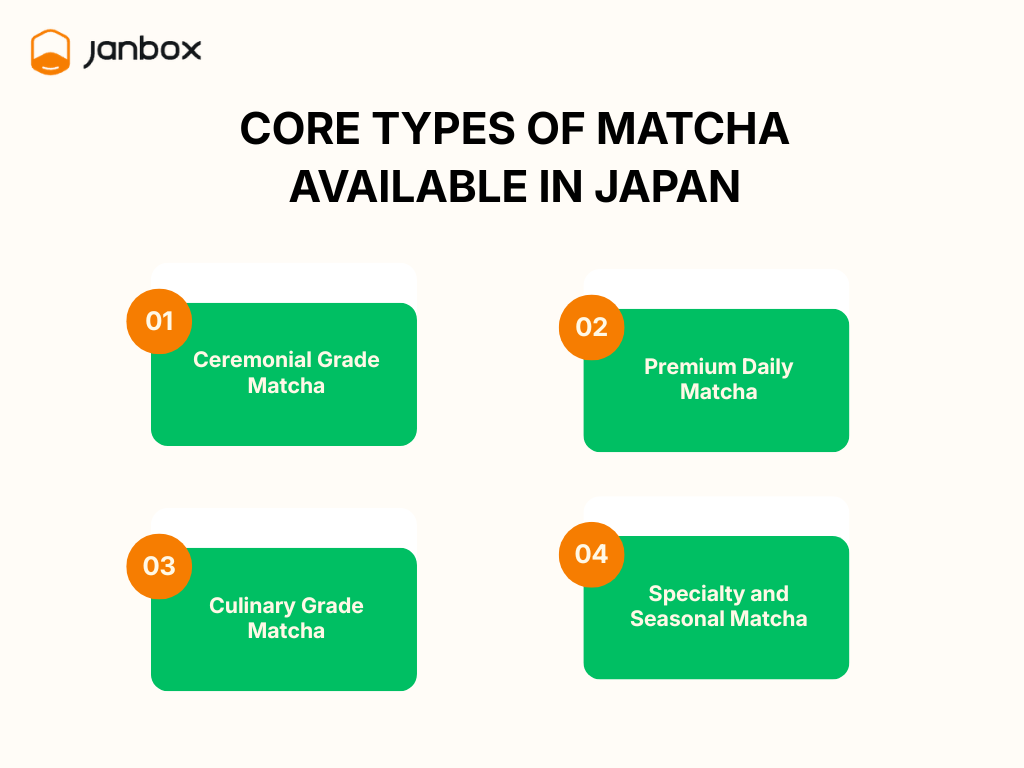
Ceremonial Grade Matcha
If your goal is to experience matcha the way it has traditionally been enjoyed in Japan, ceremonial grade is where you should start.
This is the highest-quality category, made from carefully selected young tea leaves and processed to create a smooth, vibrant, and naturally sweet flavor profile. Good ceremonial matcha should have noticeable umami, very little bitterness, and a rich aroma even before you whisk it.
This is the type used for traditional tea preparation, where the matcha is mixed only with hot water and nothing else. Because there is no milk, sugar, or flavoring to hide imperfections, quality matters enormously. A cheap ceremonial matcha can taste harsh and grassy, while a great one feels surprisingly smooth and complex.
Premium Daily Matcha
Not everyone wants to spend premium ceremonial-matcha money every day.
That's where premium daily matcha comes in. Sitting between ceremonial and culinary grades, this category is designed for people who drink matcha regularly but don't necessarily need the absolute highest grade for every cup.
Many Japanese tea drinkers keep a tin of daily matcha at home for morning tea, afternoon breaks, or casual drinking throughout the week. The flavor is still balanced and enjoyable, but the price is often more approachable for long-term consumption.
For many travelers, this category actually offers the best balance between quality and value.
Culinary Grade Matcha
Culinary matcha is designed to be mixed with other ingredients rather than enjoyed on its own.
When making matcha lattes, ice cream, cakes, cookies, or desserts, a stronger and slightly more bitter profile is often desirable because the flavor needs to remain noticeable after being combined with milk, cream, sugar, or other ingredients.
This is why many experienced matcha drinkers actually avoid using expensive ceremonial matcha for lattes. The delicate flavors that make ceremonial matcha special can easily disappear once milk enters the equation.
If you're primarily buying matcha for recipes or daily matcha lattes, culinary-grade products are usually the smarter purchase.
Specialty and Seasonal Matcha
Some of Japan's most interesting matcha doesn't fit neatly into the categories above.
Specialty and seasonal matcha includes limited harvests, tea-house exclusives, competition-grade matcha, and small-batch releases that may only be available for a short period each year. These products are often sought after by enthusiasts who enjoy exploring different cultivars, regions, and flavor profiles.
You'll commonly find these offerings in Kyoto tea houses, specialty retailers, and online stores serving dedicated tea collectors. While they aren't always necessary for beginners, they can become incredibly tempting once you start developing a deeper appreciation for Japanese matcha.
How to Choose the Right Matcha for Your Needs
Standing in front of a shelf full of matcha tins can feel surprisingly intimidating. Prices vary dramatically, packaging often looks similar, and many brands use Japanese terminology that isn't immediately obvious to international buyers.
The good news is that you don't need to become a tea expert to make a good choice. In most cases, selecting the right matcha comes down to understanding how you plan to use it and knowing a few simple quality indicators.
Choose Based on How You'll Actually Drink It
The biggest factor should be your intended use.
If you plan to drink matcha traditionally by whisking it with hot water, ceremonial-grade matcha is the right choice. Whether it's labeled as Usucha (thin tea) or Koicha (thick tea), this category is specifically designed to be enjoyed on its own. Because there is nothing masking the flavor, lower-quality matcha can taste noticeably bitter, harsh, or astringent. Spending a little more here usually makes a significant difference.
If your goal is making matcha lattes, iced matcha, or matcha macchiatos, you don't necessarily need the most expensive ceremonial matcha. Many tea enthusiasts actually prefer latte-grade or entry-level ceremonial matcha because they provide enough umami and tea character to remain noticeable after being mixed with milk. Some popular options in this category include products like Marukyu Koyamaen's Aorashi or Isuzu.
Check the Origin
In Japan, where a matcha comes from matters almost as much as the brand itself.
The most respected tea-growing regions include:
Uji (Kyoto): Often considered the gold standard for premium matcha
Yame (Fukuoka): Known for sweeter, softer flavor profiles
Nishio (Aichi): One of Japan's largest matcha-producing regions
While excellent matcha can come from many areas, these regions consistently appear on high-quality products and are a good starting point for first-time buyers.
Learn to Read the Label
A surprising number of tourists accidentally buy products that aren't actually matcha.
When checking Japanese packaging, look for the characters 抹茶, which simply mean "matcha."
Be cautious of products labeled only as "Green Tea Powder" or terms such as Konacha (粉茶). These products may still be green tea, but they are not true matcha made from shade-grown tencha leaves. The flavor, texture, and overall experience can be completely different.
Pay Attention to the Packaging
High-quality matcha is extremely sensitive to light, air, heat, and moisture.
That's why reputable producers almost always package matcha in sealed metal tins or thick aluminum pouches designed to protect freshness. These materials help preserve the bright green color, delicate aroma, and flavor compounds that make premium matcha special.
As a general rule, avoid matcha sold in clear plastic bags where the powder is visible. Extended exposure to light quickly degrades quality, and reputable tea producers rarely package premium matcha this way.
Best Matcha to Buy in Japan
Ask ten matcha enthusiasts for their favorite Japanese matcha and you'll probably get ten different answers.
Some people chase deep umami and complexity. Others want an affordable tin they can enjoy every morning without thinking twice. A few are constantly hunting for rare seasonal releases from Kyoto tea houses. The truth is that the "best" matcha depends largely on how you plan to enjoy it.
The selections below aren't simply the most expensive matcha on the market. They're products and brands that have earned strong reputations among tea drinkers for quality, consistency, heritage, and overall drinking experience.
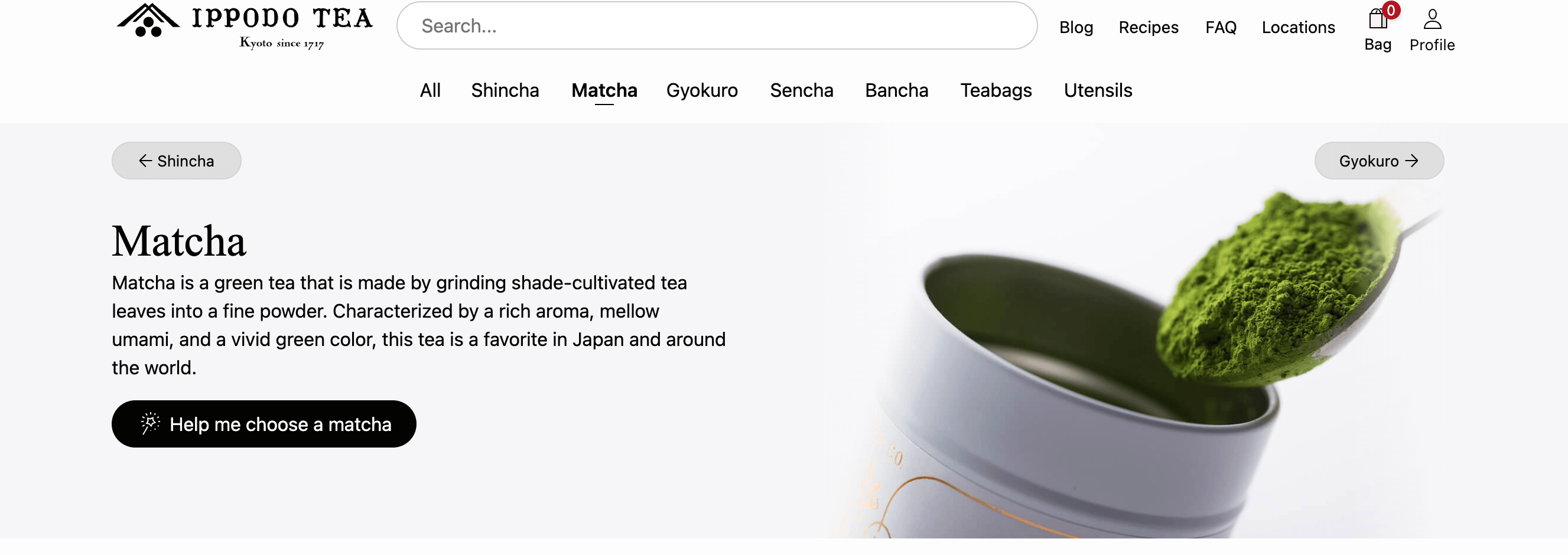
Ippodo Ummon-no-Mukashi – Best Overall
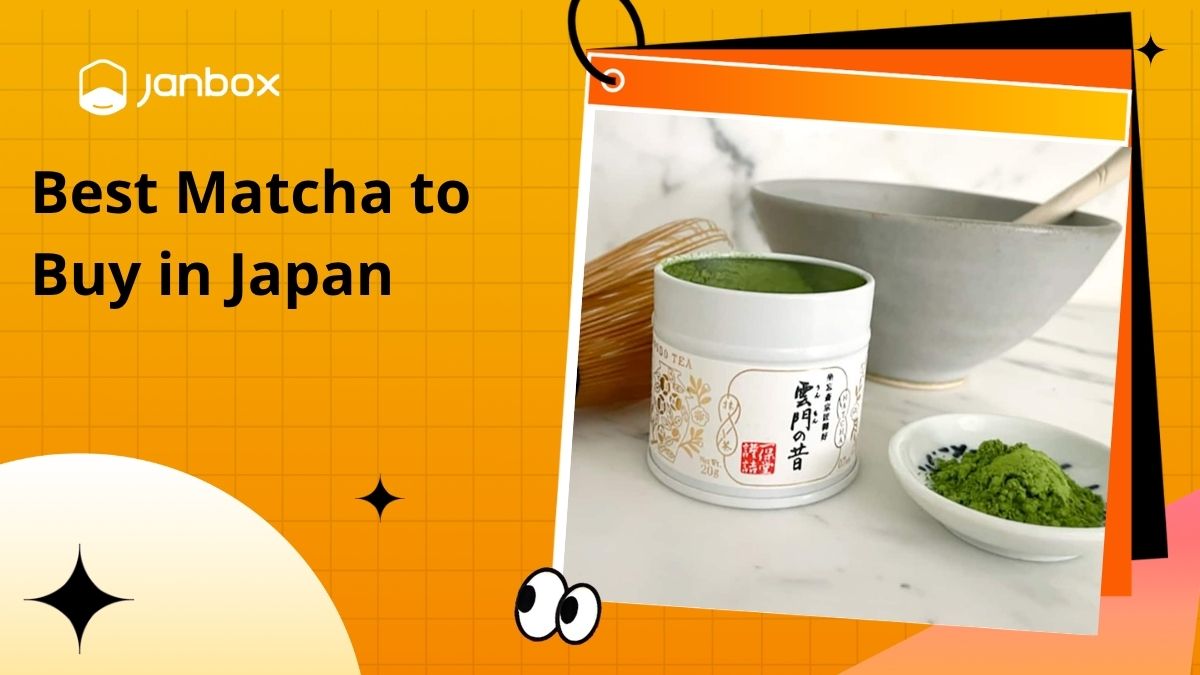
If you could only bring home one tin of matcha from Japan, many tea enthusiasts would point you toward Ummon-no-Mukashi.
Produced by Kyoto-based Ippodo Tea, a company with more than three centuries of tea history, this matcha is often considered one of the benchmarks for premium ceremonial-grade tea. It delivers an impressive balance of sweetness, umami, body, and aroma without becoming overly intense.
What makes Ummon-no-Mukashi special is its accessibility. While undeniably premium, it remains approachable enough for drinkers who are still developing their palate. The texture is smooth, the bitterness is restrained, and the lingering sweetness makes each bowl feel remarkably refined.
For many people, this is the matcha that demonstrates why Japanese ceremonial-grade tea has earned such a global reputation.
Marukyu Koyamaen Wako – Best Premium Ceremonial Matcha
Few names carry as much weight in the matcha world as Marukyu Koyamaen.
Founded in Uji, Kyoto, the company is widely respected among tea ceremony practitioners and serious matcha enthusiasts. Within its lineup, Wako is often viewed as the sweet spot between luxury and practicality.
The first thing most drinkers notice is the richness. Wako produces a deep emerald-green foam and a pronounced umami character that lingers long after the last sip. Compared with entry-level ceremonial matcha, the flavor feels fuller, rounder, and more layered.
If you're looking for a matcha that showcases what high-end Uji tea can offer, Wako is one of the most rewarding options available.
Marukyu Koyamaen Aorashi – Best Daily Drinking Matcha
Not every cup of matcha needs to feel like a special occasion.
Aorashi has developed a loyal following because it strikes an excellent balance between quality and affordability. It offers enough sweetness and complexity to enjoy on its own, while remaining reasonably priced for regular consumption.
Many Japanese tea drinkers keep Aorashi as their everyday matcha. It's versatile enough for traditional preparation, yet strong enough to perform well in lattes. That flexibility makes it one of the most frequently recommended matcha products for newcomers.
For travelers who want one tin to drink frequently after returning home, Aorashi is often a safer choice than spending heavily on premium ceremonial grades.
Tsujiri Matcha – Best for Beginners
For many visitors, Tsujiri serves as an introduction to Japanese matcha culture.
The Kyoto brand has become famous for making high-quality matcha more approachable through cafés, desserts, beverages, and retail products. Its matcha tends to be less intimidating than some traditional ceremonial-grade offerings, making it an excellent entry point for first-time buyers.
The flavor profile generally leans toward balance rather than intensity. You still get the characteristic grassy sweetness and umami notes associated with Japanese matcha, but without the steep learning curve that sometimes accompanies higher-end ceremonial teas.
If you're still figuring out what style of matcha you enjoy, Tsujiri offers a comfortable place to begin.
Nakamura Tokichi Matcha – Best Gift Option
Some matcha is purchased to drink. Some is purchased to impress.
Nakamura Tokichi excels at both.
Founded in Uji in the nineteenth century, the company is known not only for its tea quality but also for its elegant presentation. Beautiful packaging, refined branding, and a strong reputation among Japanese tea lovers make its products particularly popular as gifts.
Beyond appearances, the tea itself is excellent. The matcha is smooth, aromatic, and carefully crafted, making it a gift that feels thoughtful rather than purely decorative.
If you're bringing matcha home for friends, family, or colleagues, Nakamura Tokichi is one of the safest premium choices.
Ito En Matcha – Best Budget-Friendly Choice
Not every traveler wants to spend premium tea-house prices.
Ito En offers a more accessible entry into Japanese matcha while still benefiting from one of the country's largest and most recognizable tea companies. The brand is available almost everywhere, from supermarkets and convenience stores to major online retailers.
While it may not deliver the complexity of high-end ceremonial matcha, it performs well for daily drinking, smoothies, and matcha lattes. Many consumers appreciate its consistency and ease of access.
For budget-conscious shoppers or anyone curious about matcha without committing to a luxury purchase, Ito En remains one of the most practical options in Japan.
Hekisuien Matcha – Best Uji Matcha Experience
When people imagine traditional Kyoto matcha, Hekisuien often comes remarkably close to that vision.
The brand specializes in Uji tea and emphasizes craftsmanship, terroir, and tea-making tradition. Its products tend to showcase the qualities that have made Uji one of Japan's most respected tea-growing regions: sweetness, depth, aroma, and remarkable smoothness.
Drinking Hekisuien can feel less like consuming a beverage and more like experiencing a piece of Kyoto's tea culture. That connection to place is a major reason many enthusiasts seek it out.
For travelers specifically interested in exploring authentic Uji matcha, Hekisuien deserves a place near the top of the list.
Seasonal Tea House Matcha – Best for Collectors
Sometimes the most memorable matcha isn't the one that's always available.
Throughout the year, tea houses across Japan release limited seasonal blends, special harvest selections, and small-batch matcha produced in relatively tiny quantities. These products often sell out quickly and may never be released again in exactly the same form.
For collectors and enthusiasts, part of the appeal lies in the rarity. Each season offers an opportunity to experience subtle differences in harvest conditions, cultivars, and blending techniques.
These matcha products aren't necessarily better than established classics like Ummon-no-Mukashi or Wako. What they offer instead is a sense of discovery. For passionate tea drinkers, that can be every bit as valuable.
Where to Buy Matcha in Japan Offline
One of the joys of buying matcha in Japan is that you don't have to rely entirely on online reviews or bestseller lists.
Many of the country's best matcha experiences happen in person. You can smell freshly opened tins, speak with knowledgeable staff, sample different teas, and sometimes even discover products that never make it onto international websites. Where you shop often influences what you'll find, so it's worth understanding the strengths of each type of retailer.
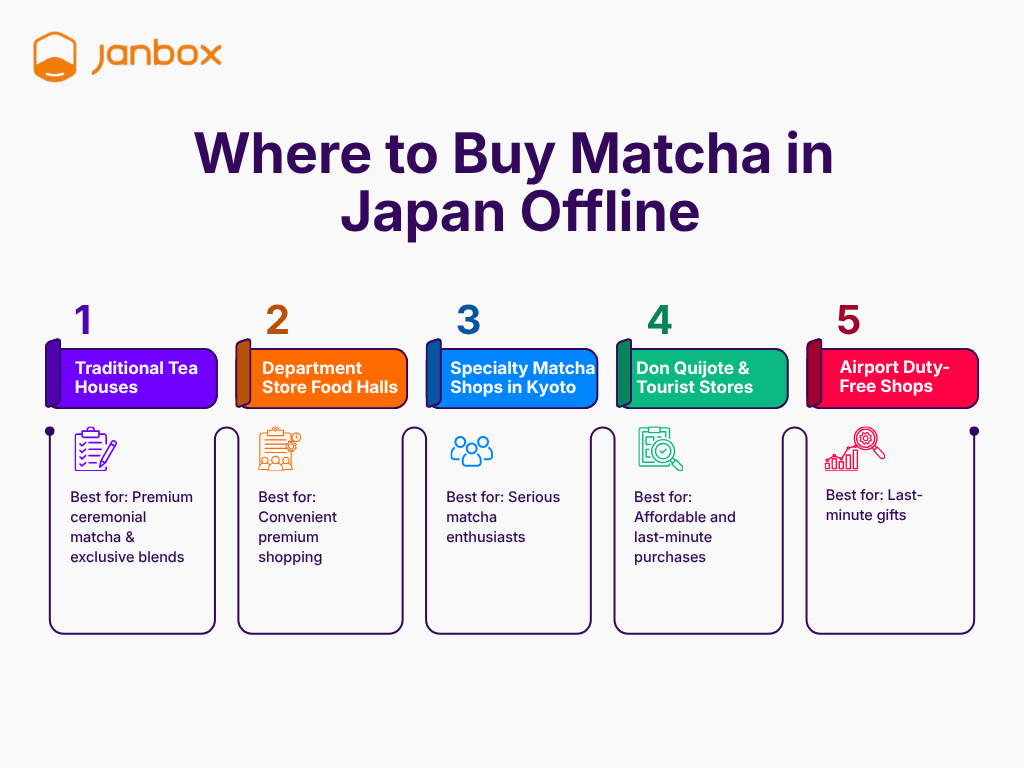
Traditional Tea Houses
If you're serious about matcha, traditional tea houses should be at the top of your shopping list.
These are often the same businesses that have been sourcing, blending, and selling tea for decades or even centuries. Walking into a historic tea house in Kyoto or Uji feels completely different from shopping at a supermarket. Staff are usually highly knowledgeable and can recommend products based on your experience level, brewing preferences, and budget.
Many tea houses also carry exclusive blends that aren't widely distributed elsewhere. If you're looking for a memorable souvenir or want to experience Japanese tea culture at its source, this is often the best place to start.
Department Store Food Halls
Japanese department stores are underrated destinations for tea shopping.
The basement food halls, commonly known as depachika, often feature counters from respected tea brands alongside premium food producers. You'll typically find a curated selection of ceremonial matcha, gift sets, seasonal products, and beautifully packaged tea tins.
Department stores are especially useful if you're short on time and want access to multiple reputable brands in one location. While prices may be slightly higher than discount retailers, the product quality and shopping experience are usually excellent.
Specialty Matcha Shops in Kyoto
For many tea lovers, Kyoto is the ultimate matcha shopping destination.
The city is home to some of Japan's most respected tea producers, including Ippodo, Marukyu Koyamaen, Nakamura Tokichi, and numerous smaller specialty shops. Many of these stores offer products that are difficult to find elsewhere in Japan, including seasonal releases, limited-production matcha, and premium ceremonial grades.
Even if you don't buy anything, visiting these shops can be an experience in itself. Many offer tasting opportunities, tea counters, or cafés where you can compare different matcha before deciding what to take home.
Don Quijote and Tourist-Friendly Stores
Not every traveler has time to visit Kyoto tea houses or luxury department stores.
For convenience, many tourists pick up matcha from Don Quijote, souvenir stores, airports, and major shopping districts. These retailers often stock well-known brands at a variety of price points, making them useful for casual buyers or last-minute purchases.
That said, quality can vary significantly. Some products are genuine ceremonial-grade matcha, while others are designed primarily for tourists and may focus more on attractive packaging than tea quality. Reading labels carefully becomes especially important when shopping in these locations.
Airport Duty-Free Shops
Airport duty-free stores are often the final opportunity to buy matcha before leaving Japan.
You'll usually find gift-oriented products from recognizable brands, along with premium packaging designed specifically for travelers. These products can make excellent gifts, particularly if you've run out of luggage space or forgot to shop earlier during your trip.
However, airport selection is typically more limited than what you'll find in Kyoto tea houses or department stores. Prices may also be higher due to the convenience factor. For that reason, duty-free shopping works best as a backup option rather than your primary matcha-buying strategy.
Where to Buy Japanese Matcha Online
One challenge many matcha lovers face is that buying tea becomes harder after leaving Japan.
You discover an amazing tin in Kyoto, fall in love with a seasonal blend from Uji, or bring home a ceremonial matcha that tastes nothing like what you can find locally. A few months later, the tin is empty—and suddenly replacing it isn't as easy as you expected.
Fortunately, there are several ways to buy Japanese matcha online, whether you're located in Japan or shopping from overseas.
Best Online Stores for Buyers in Japan
For shoppers living in Japan, the process is relatively straightforward.
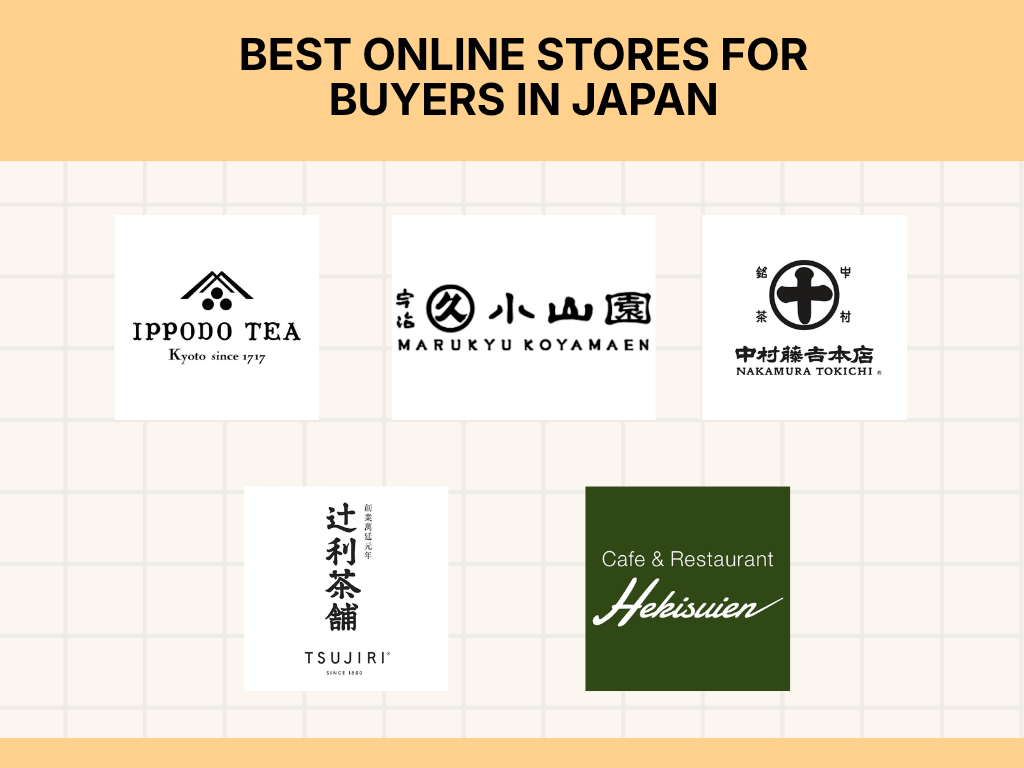
Major tea brands such as Ippodo, Marukyu Koyamaen, Nakamura Tokichi, Tsujiri, and Hekisuien all operate official online stores where customers can purchase directly from the producer. These websites often receive new releases first and occasionally carry products that are unavailable through third-party retailers.
Japanese marketplaces are also popular. Rakuten Japan and Amazon Japan provide access to a wide range of tea brands, while Yahoo Shopping frequently features regional tea sellers and specialty retailers. Many Japanese consumers use these platforms to compare prices, seasonal promotions, and product availability across multiple vendors.
Best Online Options for International Buyers
International buyers have a slightly different challenge.
While some Japanese tea brands offer direct overseas shipping, many smaller tea houses still focus primarily on domestic customers. Certain seasonal releases, limited-edition matcha tins, and regional products may only be sold through Japanese websites that require a local shipping address and Japanese payment methods.
This is where buying through Japanese marketplaces becomes particularly valuable.
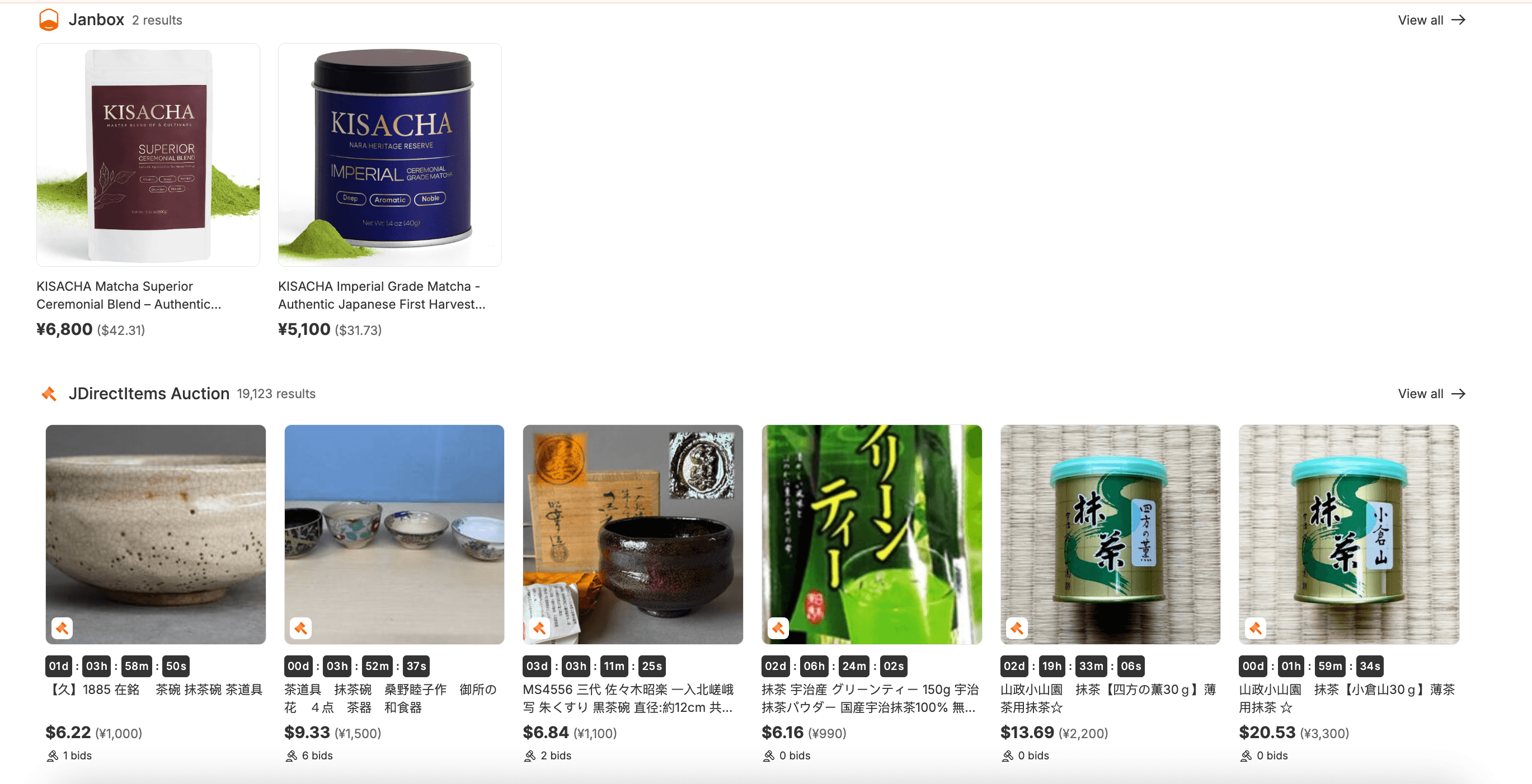
For serious matcha enthusiasts, Janbox is often one of the most effective ways to shop Japanese tea from overseas.
Instead of limiting yourself to the small selection available through international retailers, Janbox allows you to access products sold on major Japanese marketplaces such as Rakuten Japan, Yahoo Shopping, Amazon Japan, and Mercari. This opens the door to a much wider range of matcha brands, including regional tea producers, specialty tea houses, seasonal releases, and products that may never appear on English-language websites.
The biggest advantage isn't simply access to more products. It's access to the same domestic market that Japanese consumers use.
For example, imagine you visit Kyoto and discover a limited-production Uji matcha from a small tea shop. After returning home, you may find that the tea house doesn't ship internationally. Rather than giving up or searching for expensive resellers, you can use Janbox to purchase directly from Japanese sellers and have the product forwarded internationally.
Janbox is also useful when comparing multiple matcha options at once. You might purchase a ceremonial-grade matcha from Ippodo, a daily-drinking blend from Marukyu Koyamaen, and a seasonal release from another tea producer in the same order. Because purchases can be consolidated before shipping, many buyers find it easier and more cost-effective than placing separate international orders.
For collectors, tea enthusiasts, and anyone trying to buy the same matcha available to Japanese consumers, Janbox provides a practical way to access Japan's domestic tea market from virtually anywhere in the world.
Read more: The 10 Best Places To Buy Matcha From Japan (Authentic Only)
How to Store Your Matcha to Keep It Vibrant Green
Even the best matcha can lose its vibrant color and delicate flavor if it's stored improperly. Matcha is far more sensitive than loose-leaf tea because the leaves have been ground into an extremely fine powder, creating more surface area exposed to air, moisture, heat, and light.
Fortunately, a few simple storage habits can dramatically extend its freshness.
Keep Matcha Away from Air
Oxygen is one of the biggest reasons matcha loses its freshness.
Every time a container is opened, the powder is exposed to air, which gradually reduces its aroma and causes the bright green color to fade. Always close the lid tightly after use and avoid leaving the container open while preparing tea.
If the original packaging isn't airtight, consider transferring the matcha to a sealed container designed for tea storage.
Protect It from Light
Premium matcha should never be stored in direct sunlight.
Light accelerates oxidation and can quickly turn vibrant green matcha into a dull yellow-green powder. This is one reason high-quality Japanese matcha is almost always sold in opaque tins or aluminum pouches rather than transparent packaging.
A dark cabinet or pantry is usually a much better storage location than a countertop exposed to natural light.
Avoid Heat and Humidity
Heat and moisture are particularly damaging to matcha.
Storing matcha near a stove, kettle, dishwasher, or sunny window can shorten its lifespan significantly. Humid environments may also cause the powder to clump and lose quality over time.
Choose a cool, dry location whenever possible, especially if you plan to keep the matcha for several weeks.
Refrigerate Unopened Matcha Properly
If you've purchased multiple tins during a trip to Japan, refrigeration can help preserve unopened matcha for longer.
Many tea enthusiasts store sealed containers in the refrigerator until they're ready to use them. However, it's important to allow the container to reach room temperature before opening it. This helps prevent condensation from forming inside the package.
Once opened, frequent temperature changes can do more harm than good, so it's usually best to keep the active tin in a cool, stable environment.
Use It Within One to Two Months After Opening
Matcha doesn't suddenly expire after opening, but its best qualities gradually fade.
For the freshest aroma, brightest color, and smoothest flavor, try to finish ceremonial-grade matcha within one to two months of opening. This is one reason many premium Japanese producers package matcha in relatively small tins.
A smaller tin consumed quickly will almost always taste better than a large container sitting half-full for several months.
Conclusion
Finding the best matcha to buy in Japan isn't about choosing the most expensive tin on the shelf. It's about finding a matcha that matches how you actually drink tea.
Some people will appreciate the complexity of a premium ceremonial blend from Ippodo or Marukyu Koyamaen. Others may get more value from an everyday matcha they can enjoy every morning without hesitation. The good news is that Japan offers options for every level of tea drinker, from curious beginners to dedicated collectors.
By understanding the different types of matcha, learning how to identify quality, and knowing where to shop both online and offline, you'll be far more confident when deciding which matcha deserves a place in your suitcase.
And once you discover a favorite, buying it again after returning home is often easier than you think thanks to Japan's online marketplaces and international shopping services.
FAQs
What is the best matcha to buy in Japan?
There is no single answer, but some of the most respected options include Ippodo Ummon-no-Mukashi, Marukyu Koyamaen Wako, Marukyu Koyamaen Aorashi, and Nakamura Tokichi matcha. The best choice depends on your budget and how you plan to drink it.
Which Japanese region produces the best matcha?
Uji in Kyoto is generally considered Japan's most prestigious matcha-producing region. However, Yame in Fukuoka and Nishio in Aichi also produce excellent matcha with their own distinctive flavor profiles.
Is ceremonial matcha worth the extra cost?
If you plan to whisk matcha with hot water and drink it traditionally, ceremonial-grade matcha is usually worth the investment. The flavor tends to be smoother, sweeter, and significantly less bitter than lower grades.
Can I use ceremonial matcha for lattes?
You can, but many tea enthusiasts prefer daily-drinking or latte-grade matcha for milk-based beverages. The subtle characteristics of premium ceremonial matcha can be lost when mixed with milk.
Where can I buy authentic Japanese matcha online?
Buyers in Japan can purchase directly from tea houses or marketplaces such as Rakuten Japan and Amazon Japan. International buyers can access many domestic Japanese listings through services such as Janbox.
How long does matcha stay fresh?
Unopened matcha can remain fresh for several months when stored properly. After opening, most tea experts recommend consuming it within one to two months for the best flavor and aroma.
Why is my matcha turning yellow or brown?
Color changes usually indicate oxidation caused by exposure to air, light, heat, or moisture. Proper storage in an airtight container away from sunlight helps maintain the bright green color.
Table of Contents
- The Core Types of Matcha Available in Japan
- How to Choose the Right Matcha for Your Needs
- Best Matcha to Buy in Japan
- Ippodo Ummon-no-Mukashi – Best Overall
- Marukyu Koyamaen Wako – Best Premium Ceremonial Matcha
- Marukyu Koyamaen Aorashi – Best Daily Drinking Matcha
- Tsujiri Matcha – Best for Beginners
- Nakamura Tokichi Matcha – Best Gift Option
- Ito En Matcha – Best Budget-Friendly Choice
- Hekisuien Matcha – Best Uji Matcha Experience
- Seasonal Tea House Matcha – Best for Collectors
- Where to Buy Matcha in Japan Offline
- Where to Buy Japanese Matcha Online
- How to Store Your Matcha to Keep It Vibrant Green
- Conclusion
- FAQs