Buy Japanese Incense Online: Best Brands, Shops and Shipping
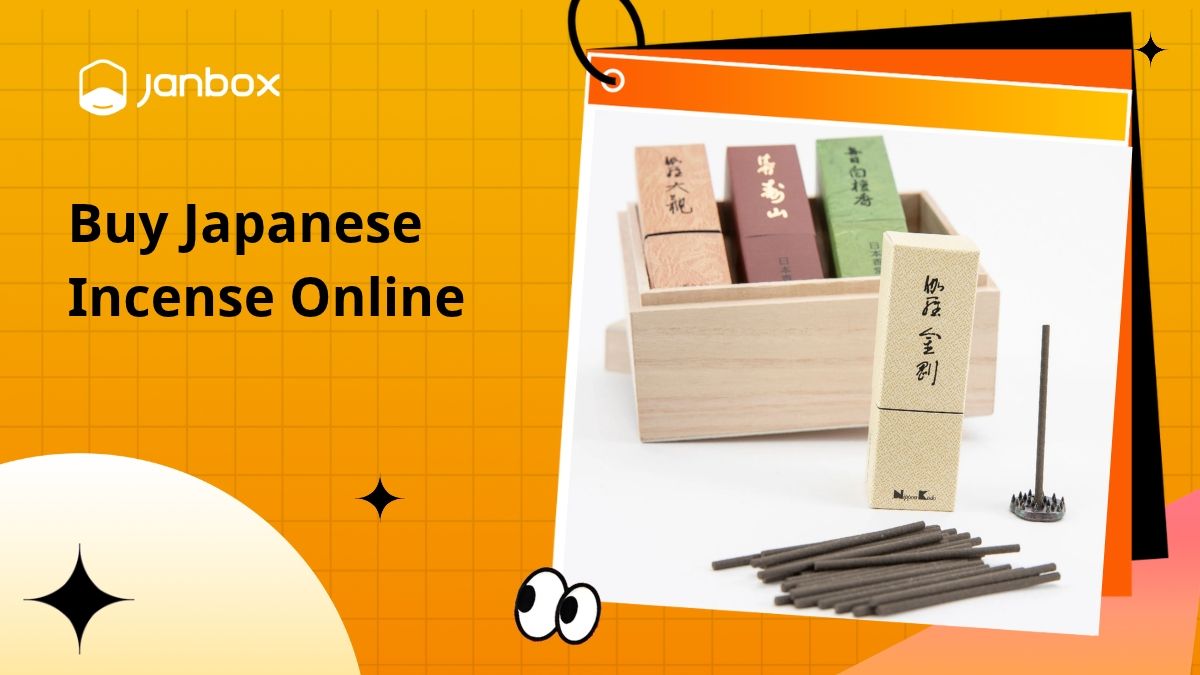
Finding real Japanese incense outside Japan is harder than
it should be. Local shops stock a handful of scents, and marketplace prices
often double the Japanese retail price. This guide shows you how to buy
Japanese incense online with confidence: which types and brands to choose,
where each one is sold, and how to get it shipped safely to your door.
Why Is Japanese Incense Worth Buying Online?
Japanese incense, called kō (香), stands apart for three
reasons: low smoke, natural ingredients and centuries of craft. Buying online
gives you access to the full range of these products rather than the few boxes
a local store imports.
•
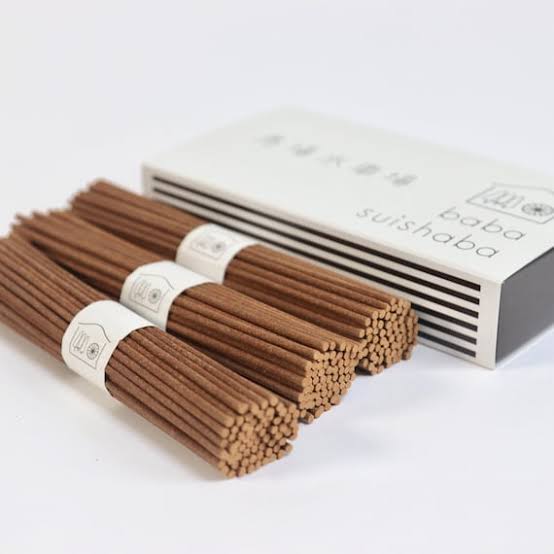
No bamboo core: the whole stick is incense, so you
smell the blend instead of burning wood.
•
Natural materials: agarwood and sandalwood are the main
ingredients, bound with makkō powder from the tabu tree.
•
Subtle scent: the fragrance suits small apartments,
meditation rooms and offices.
•
Heritage: many Japanese incense companies have operated
for more than 300 years.
Indian masala incense such as Nag Champa is stronger and
smokier. Japanese incense is the better choice when you want a quiet background
scent or are sensitive to heavy smoke.
A Short History of Kō and Kōdō
Incense reached Japan from mainland Asia in the 6th century
through Buddhism. During the Muromachi period (1336 to 1573), kōdō, the Way of
Incense, developed alongside the tea ceremony and ikebana as a refined art.
Players at kōdō gatherings identified rare woods by scent, a practice the
Japanese describe as listening to incense (monkō). Today the same houses that
supplied temples and courts sell daily incense to homes worldwide.
Types of Japanese Incense to Know Before You Buy
Japanese incense comes in five main forms, and the right
form depends on how you plan to use it. The table below compares them so you
can filter shops quickly.
Type | Japanese | What | Best |
Sticks | Senkō | Thin coreless sticks, 20 to 40 minutes burn | Daily use, beginners |
Cones and coils | Ensui-kō, Uzumaki | Compact shapes, coils burn for hours | Larger rooms, long sessions |
Incense wood | Kōboku | Chips of agarwood, kyara or sandalwood heated, not burned | Collectors, kōdō practice |
Kneaded incense | Neri-kō | Small balls of powder, honey and plum | Tea ceremony, warmers |
Pressed incense | In-kō | Shaped tablets of powdered incense | Gifts, incense heaters |
Incense Sticks (Senkō)
Sticks are the easiest way to start buying Japanese incense
online. They light in seconds, need only a small holder and come in boxes from
20 to over 400 sticks. Short daily sticks cost a few dollars, while premium
agarwood sticks can cost over 100 USD per box.
Agarwood, Kyara and Sandalwood
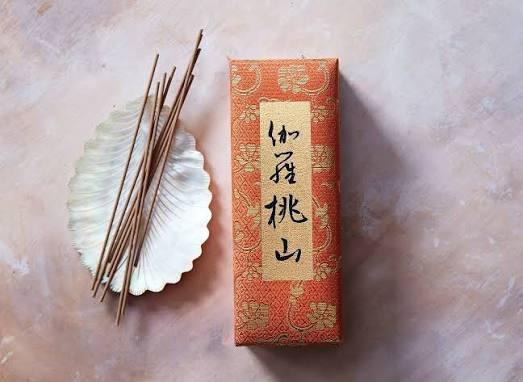
Agarwood (jinkō) is resin-filled wood from Aquilaria trees,
and kyara is its rarest grade. Japanese incense makers sort agarwood into six
classes by origin and scent. Sandalwood (byakudan) is creamier and more
affordable. Raw wood chips are heated on a mica plate rather than burned, so
they release scent without smoke.
Best Japanese Incense Brands to Buy Online
The best Japanese incense brands for most buyers are Nippon
Kodo, Shoyeido and Baieido. Each house has budget daily lines and luxury lines,
so the brand matters less than choosing the right series within it.
Nippon Kodo
Nippon Kodo traces its roots to Kōju Takae, incense maker to
the Imperial court in the 16th century, and is now one of the largest incense
producers in the world. Its popular lines include Ka-fuh, a low-smoke floral
and herbal range; Morning Star, a cheap everyday series with dozens of scents;
and Kayuragi, a refined collection known for its sandalwood and rose. Premium
buyers look for Jinkō Juzan and Tokusen agarwood.
Shoyeido
Shoyeido has blended incense in Kyoto since 1705 and
supplies many Japanese temples. Its Daily series, with Moss Garden (Nokiba) and
Autumn Leaves, is a favorite on Reddit incense forums for its natural, sweet
profile. The Horin line offers more depth, and the Premium line uses high-grade
agarwood. Shoyeido also sells sampler assortments that make good starter kits.
Baieido
Baieido was founded in Sakai, Osaka, in 1657 and specializes
in agarwood and traditional temple incense. Kobunboku is its best-known
affordable stick, a woody, slightly sweet scent widely used for meditation. Kai
Un Koh and the Byakudan Kobunboku range move into higher grades of aloeswood
and sandalwood.
Kyukyodo, Kunmeido and Gyokushodo
These three Kyoto and Tokyo houses suit buyers who already
know the big brands. Kyukyodo, founded in 1663, is also famous for stationery
and incense gift sets. Kunmeido produces deep agarwood blends such as Jinkun
Asuka. Gyokushodo offers refined sticks like Hana no Sho. Many of their lines
are sold mainly inside Japan, which makes Japanese marketplaces the most
reliable source.
Modern Japanese Brands
Modern brands blend Japanese technique with Western
perfumery. Kousaido Hanga offers fruit and flower scents with matching
porcelain holders, and Esteban, part of the Nippon Kodo group, produces
French-style scents such as Neroli and Teck and Tonka. They suit buyers who
prefer contemporary home fragrance over temple scents.
Brand | Founded | Signature | Price | Best |
Nippon Kodo | 16th century roots | Ka-fuh, Morning Star, Kayuragi | Low to luxury | Variety, beginners |
Shoyeido | 1705, Kyoto | Daily, Horin, Premium | Low to high | Natural scents, samplers |
Baieido | 1657, Sakai | Kobunboku, Kai Un Koh | Low to high | Meditation, agarwood |
Kyukyodo | 1663, Kyoto | Gift sets, traditional sticks | Mid to high | Gifts |
Kunmeido | Kyoto | Jinkun series | Mid to luxury | Agarwood lovers |
Where to Buy Japanese Incense Online?
You can buy Japanese incense online from four types of
sellers, and each one trades convenience against price and selection. Use this
comparison before you add anything to your cart.
Channel | Selection | Price | International | Main |
Official brand stores | Brand only | Retail | Limited regions | Narrow range |
Amazon, eBay, Walmart | Popular lines | Often marked up | Yes | Third-party sellers, old stock |
Rakuten, Amazon Japan, Yahoo Shopping | Full range, Japan-only lines | Domestic price | Many shops ship only in Japan | Japanese-language pages |
Proxy service (Janbox) | Full Japanese range | Domestic price plus service and shipping | Yes, worldwide | Shipping cost for small orders |
Official Brand Stores
Nippon Kodo runs a US online store, and Shoyeido sells
directly through its website. These stores guarantee authenticity, but they
carry only their own brand and often a shorter catalog than the Japanese
market.
Global Marketplaces: Amazon, eBay and Walmart
Global marketplaces are convenient for popular boxes such as
Morning Star or Kobunboku. Prices vary widely: a listing for 10 g of Nippon
Kodo agarwood chips on eBay sells for around 88 USD plus 21 USD shipping from
Japan. Check seller ratings and the product origin before buying.
Japanese Marketplaces: Rakuten, Amazon Japan and Yahoo Shopping
Japanese marketplaces carry the widest selection of Japanese
incense at domestic prices, including limited editions and lines never
exported. The obstacles are Japanese-only product pages, machine translations
that garble brand names and many shops that refuse overseas addresses.
Buy Directly from Japan with Janbox
Janbox removes those obstacles. You search Rakuten, Amazon
Japan, Yahoo Shopping and other Japanese stores in English, Janbox buys the
items for you, checks them at its Japan warehouse and ships them to your
country. You can combine incense from several shops into one parcel to cut
shipping costs.
How to Choose the Right Japanese Incense
Choosing Japanese incense starts with purpose, then scent,
then budget. Answer these three questions and your shortlist will shrink to a
few boxes.
By Purpose
•
Meditation and yoga: Baieido Kobunboku, Shoyeido Moss
Garden, Nippon Kodo Jinkō.
•
Home fragrance: Nippon Kodo Ka-fuh, Kayuragi, Kousaido
Hanga.
•
Buddhist offering: Mainichi-kō and other temple sticks
in large boxes.
•
Gifts: Kyukyodo or Shoyeido gift sets with holders.
By Scent Profile
•
Woody: agarwood, sandalwood, hinoki cypress.
•
Floral: plum blossom, lotus, rose, cherry blossom.
•
Green and fresh: green tea, bamboo, shiso.
•
Sweet and warm: amber, cinnamon, vanilla.
Start with a Sampler
Sampler sets are the smartest first purchase when you buy
Japanese incense online. Shoyeido, Baieido and Nippon Kodo all sell assortments
with several scents, so you can test five to twelve fragrances for the price of
one premium box.
How to Spot Authentic Japanese Incense
Authentic Japanese incense lists a named manufacturer and an
origin in Japan, often Kyoto or Awaji Island. Check that the barcode starts
with 45 or 49, the GS1 prefixes for Japan. Be cautious with listings that say
Japanese style, show no maker name or price agarwood far below market rates.
How to Order Japanese Incense from Japan with Janbox
Ordering Japanese incense through Janbox takes five steps
and no Japanese language skills.
1.
Create a free Janbox account.
2.
Search for the incense by brand or English name, or
paste a product link from Rakuten or Amazon Japan.
3.
Add the item to your cart and pay. Janbox purchases it
from the Japanese seller.
4.
Your order arrives at the Janbox warehouse in Japan,
where staff check it and can repack fragile sticks.
5.
Choose a shipping method, pay the shipping fee and
track your parcel to your door.
Shipping, Customs and Packaging Tips
Japanese incense ships internationally without special
permits in most countries, but three details protect your order and budget.
•
Packaging: coreless sticks break easily, so ask for
extra padding and keep boxes upright.
•
Customs: incense is a plant-based product. Some
countries inspect wood chips more closely than sticks, so check your local
customs rules before ordering raw agarwood. Duties depend on your country and
order value.
•
Shipping cost: consolidate several boxes into one
parcel, since incense is light but bulky.
FAQs About Buying Japanese Incense Online
Is Japanese incense better than Indian incense?
Japanese incense is not better in every case, but it is
milder and less smoky. Indian incense uses a bamboo core and stronger scents,
which suit large or open spaces. Choose Japanese incense for small rooms,
meditation or smoke sensitivity.
Why is kyara incense so expensive?
Kyara is the rarest grade of agarwood, formed over decades
in wild Aquilaria trees. Supply is extremely limited, and Japanese makers grade
it strictly, so premium kyara sticks and chips can cost more than gold by
weight.
Can incense be shipped internationally from Japan?
Yes. Incense sticks, cones and coils ship internationally
from Japan to most countries. Wood chips may face extra inspection in countries
with strict plant import rules, such as Australia and New Zealand.
How long does a Japanese incense stick burn?
A standard Japanese incense stick burns for 20 to 40
minutes, depending on its length and thickness. Short mini sticks burn for
around 10 to 15 minutes, while coils can burn for several hours.
What is the best Japanese incense for beginners?
Nippon Kodo Morning Star, Shoyeido Daily incense and Baieido
Kobunboku are the best starting points. They are affordable, widely available
and represent the classic Japanese scent styles.
Conclusion
To buy Japanese incense online with confidence, choose your
purpose and scent first, start with a sampler from Nippon Kodo, Shoyeido or
Baieido, and buy from Japanese stores to get the widest range at domestic
prices. Janbox makes that possible from anywhere in the world: search in
English, combine orders and ship to your door.
Table of Contents
Related Posts