Where to Buy Famicom Games from Japan for Cheap Without Hidden Fees
Want to build a Famicom collection without paying more than you need to? Japanese secondhand stores and marketplaces can open up a much bigger selection of games, but the lowest listing price does not always mean the lowest final cost.
This guide looks at what makes a Famicom game a good deal, where to find cheaper listings in Japan, which extra costs to watch for, and how to buy from overseas without letting shipping and service fees eat into the bargain.
Key takeaway
A cheap Famicom game is not necessarily a cheap purchase once shipping and other costs are added.
Condition, completeness, rarity, and seller details all affect whether a listing is actually worth buying.
Different Japanese stores and marketplaces suit different types of bargain hunting.
Overseas buyers need to account for Japan-side costs and international delivery before comparing deals.
Buying multiple eligible games together can help make the overall order more cost-efficient.
Why Original Famicom Games Are Incredibly Cheap in Japan
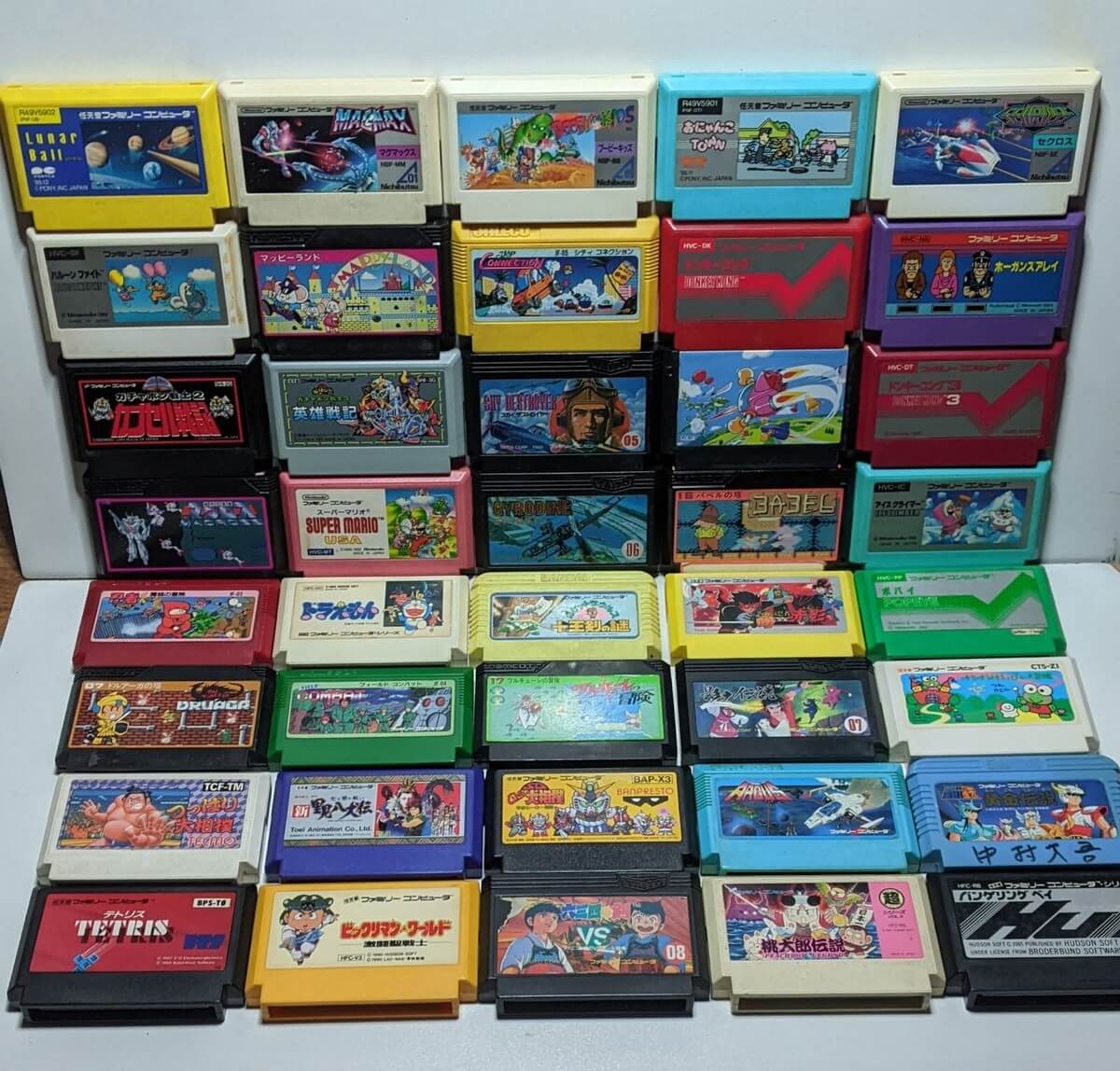
Japan has a huge secondhand market for older games, which makes common Famicom titles surprisingly easy to find. Since these games have been bought, traded, and resold for decades, you can often find multiple copies of the same title at very different prices.
A few things make the Japanese market especially interesting for bargain hunters:
Large local supply: Famicom was originally sold in Japan, so Japanese stores and marketplaces have a deep pool of domestic releases.
Secondhand availability: Used cartridges are common, especially for popular titles that were produced in large numbers.
Different levels of completeness: You can choose between a loose cartridge, a boxed copy, or a complete set depending on your budget.
Lots of sellers: Comparing several Japanese listings can reveal significant price differences for the same game.
Of course, cheap does not mean every Famicom game is cheap. Rare titles, discontinued releases, complete copies, and games in excellent condition can still command much higher prices. The real opportunity is knowing which games have plenty of supply and which ones are already collector pieces.
What Makes a Famicom Game a Good Deal?
A low price tag on a Japanese marketplace does not always mean you are getting a great bargain. A cartridge that costs ¥200 is only a true win if it actually plays or comes in the condition you want. To judge whether a listing is worth your money, pay close attention to four main factors.
Game Condition
Japanese sellers use specific terms to describe the physical and working state of old games:
動作確認済み (Dousa Kakunin Zumi - Tested and Working): The seller put the cartridge into a console, powered it on, and confirmed it boots up to the title screen. This is the safest baseline when you want a plug and play copy.
ジャンク (Janku - Junk / As Is): This label means the item is sold without any warranty. In Japan, "junk" does not always mean completely broken. It often means the seller simply did not have an old Famicom console around to test it, or the cart has cosmetic marks. Many junk games work fine after cleaning the pins with isopropyl alcohol, but buy these only if you are comfortable taking a small risk.
Completeness
How the game is packaged plays the biggest role in its resale value and collector appeal:
ソフトのみ (Sofuto Nomi - Cartridge Only): You receive just the bare plastic game cartridge without the original packaging. This is the cheapest way to buy games and perfect for everyday playing.
箱説付き (Hako Setsu Tsuki - Box and Manual Included): The game comes with its original cardboard box and paper instruction booklet. These cost more than loose carts, but they look great on a display shelf.
完品 (Kanpin - Complete Set): The highest grade of completeness. Alongside the box and manual, a kanpin copy includes the inner clear plastic tray, warranty cards, promotional flyers, and dust sleeves. Collectors pay top dollar for these.
Rarity and Demand
Famicom games fall into distinct price brackets based on how many copies were originally made:
Common titles: Blockbusters like Super Mario Bros., Tetris, and Dragon Quest sold millions of units. You should never overpay for these loose, as they are widely available for under ¥500.
Rare titles: Late releases from the early 1990s (when gamers were already moving to the Super Famicom) had smaller print runs. Games like Gimmick! or Summer Carnival '92 Recca are genuine rarities that sell for hundreds of dollars even in Japan.
Discontinued releases: Pulse-code expansion games or special contest prize cartridges (like the gold Punch-Out!! cart) carry natural collector premiums due to their strictly limited distribution.
Seller and Listing Details
Before confirming your purchase, always inspect the seller profile and photos:
Photo quality: Avoid listings with blurry pictures. Look closely for sun fading (yake), label peeling, cracked plastic casing, or previous owners who wrote their names in permanent marker (namae ari).
Seller feedback: On platforms like Mercari or Yahoo Auctions, check the seller's rating and review count. High ratings with quick response times mean safer packing for vintage items.
Domestic shipping status: Look for 送料込み (Souryou-komi), which means shipping inside Japan is included in the list price. If you see 着払い (Chakubarai), you will need to pay the domestic courier fee separately upon warehouse delivery.
Once you know what makes one listing better than another, the next question is where to look for these deals.
Where to Find Cheap Famicom Games in Japan
Japan has a thriving ecosystem of hobby shops, auction portals, and thrift stores. Depending on whether you want a single loose cartridge, an entire collection lot, or a pristine boxed collector copy, different storefronts offer unique advantages.
The table below breaks down the top platforms to help you choose the right place for your budget and shopping style:
Store / Platform | Best for | Price level | Buying style |
Surugaya | Large used-game selection | Budget–mid | Fixed price |
Yahoo! JAPAN Auction | Rare games & lots | Variable | Auction |
Mercari Japan | Individual deals | Seller-dependent | Fixed price |
Mandarake | Collector copies | Mid–high | Fixed price |
Book Off / Hard Off | Bargain hunting | Budget | Secondhand |
Surugaya

Suruga-ya is a good starting point when you want to compare a large number of used Famicom games in one place. Its inventory covers everything from common cartridges to less familiar titles, so it is useful when you are still browsing rather than looking for one particular game.
The main advantage is the breadth of its secondhand catalog and fixed-price format. You can compare different copies without dealing with auction bidding, although condition and completeness still need to be checked for each listing.
Yahoo! JAPAN Auction
Yahoo! JAPAN Auction is more interesting when you are looking for rare titles, collections, boxed games, or seller lots. Because individual sellers can list their own collections, you may come across games that are not currently available through regular retailers.
The trade-off is the auction format. A low starting price can look attractive, but the final price depends on bidding. You also need to pay closer attention to seller descriptions, photos, remaining time, and terms before committing to a bid.
Mercari Japan
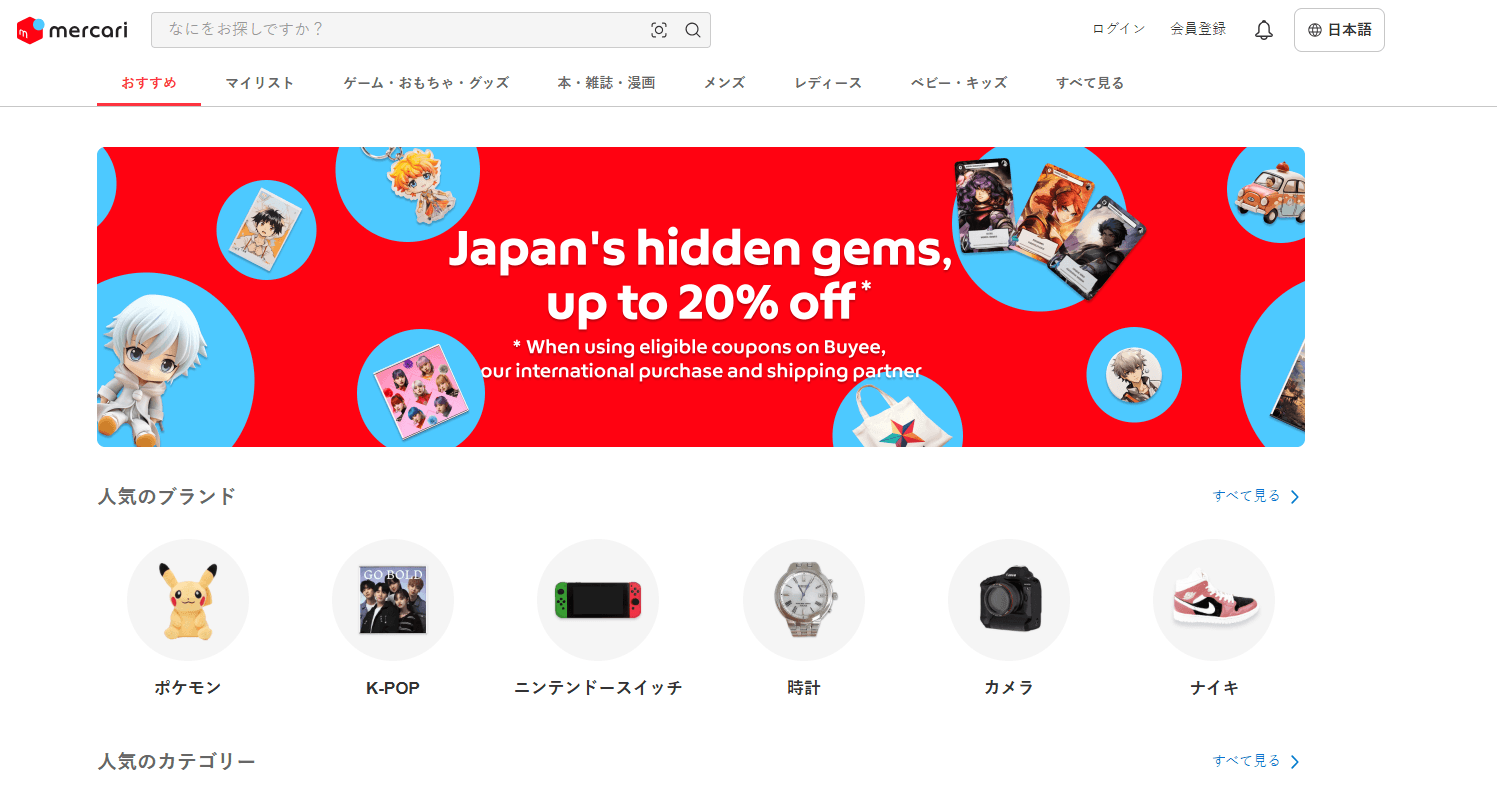
Mercari Japan is useful when you want to find individual cartridges, small collections, or specific games at a listed price rather than waiting for an auction to finish. Current Famicom listings include inexpensive loose cartridges as well as boxed and tested copies, showing just how much the price can vary depending on condition and completeness.
It can therefore be a good place to compare seller-to-seller deals. Just remember that a very low price may indicate ジャンク, missing packaging, damage, or another condition issue, so check the listing before comparing it with a tested copy.
Mandarake
Mandarake is better suited to collectors who care about rarer titles, older releases, and better-preserved copies. It is not necessarily the first place to look when your only goal is finding the cheapest loose cartridge, but it becomes more useful when condition and collectibility matter.
For a rare Famicom game, comparing a Mandarake listing with cheaper marketplace copies can help you understand what you are paying extra for—whether that is condition, completeness, or simply rarity.
Book Off & Hard Off
Book Off and Hard Off are worth checking when you are in bargain-hunting mode. Their online inventory includes a very large number of Famicom listings, with current Off Mall results showing more than 8,000 Famicom software listings and prices ranging from inexpensive common games to much rarer titles.
Hard Off is particularly interesting if you are comfortable with used or untested products. Its listings can include ジャンク items, which may be significantly cheaper but come with much more uncertainty. For example, current listings range from low-priced common software to expensive rare copies, so the “cheap” end of the catalog needs to be judged by condition rather than price alone.
Common Hidden Costs in Japanese Game Sourcing
The price shown on a Japanese listing is rarely the only cost involved in getting a Famicom game overseas. A ¥1,000 cartridge can look like a bargain at first, but the final amount can change once you add the costs of getting it to a warehouse and then to your country.
The most common extra costs to check are:
Domestic shipping: The seller may charge separately to send the game to a Japan-based warehouse.
Proxy or purchasing fees: A proxy service may charge a purchase, payment, or auction-related fee.
International shipping: The cost depends on the parcel's weight, dimensions, destination, and shipping method.
Optional warehouse services: Inspection, photos, protective packaging, or other handling services may cost extra.
Import duties and taxes: Your destination country may apply additional charges when the parcel enters customs.
Currency conversion: The amount charged to your card or payment account can differ from the Japanese price because of exchange rates or payment-provider fees.
There is also a less obvious cost: shipping several cheap games individually. Paying international postage for a ¥500–¥1,000 cartridge can quickly make the game much less of a bargain. If you are buying from multiple Japanese sellers, check whether your purchasing service offers consolidation before deciding how many separate orders to place.
So when comparing Famicom deals, look at the delivered cost, not just the number beside the game. A ¥1,500 tested cartridge with reasonable shipping can be a better deal than a ¥700 ジャンク listing that requires several additional charges.
How to Buy Famicom Games from Japan Without Paying More Than Expected
Some of the best-priced Famicom listings exist exclusively on Japanese domestic marketplaces, where overseas buyers run into major roadblocks. Storefronts like Surugaya, Hard Off, and private sellers on Mercari or Yahoo! JAPAN Auction do not take foreign credit cards, reject international addresses, and communicate solely in Japanese. Attempting to use multiple middlemen often leads to compounding handling fees, missed auctions, and damaged cartridges during transit.
Janbox solves these hurdles by providing a direct, tech-driven gateway to Japan's top retro gaming marketplaces. Through a single English interface, you can buy directly from domestic sellers, store your items in a secure Tokyo warehouse, and ship everything home in one consolidated parcel.
Key features designed to keep your game collecting affordable and secure include:
Purchase eligible Japanese listings: Direct checkout across Yahoo! JAPAN Auction, Mercari, Rakuten, and Surugaya with no domestic account required.
Japan warehouse: Free, secure storage for up to 45 days while you build your collection.
Package consolidation: Merge multiple loose carts or boxed games from different sellers into one compact box to cut international postage.
Inspection options: Optional warehouse checks to verify cartridge condition and label quality before dispatch.
Protective packaging: Specialized cushioning to safeguard fragile 1980s cardboard boxes and plastic shells from air transit damage.
Flexible international shipping: Choose from express couriers (DHL, FedEx) or budget postal options (Japan Post EMS, Air Small Packet) with end-to-end tracking.
Step 1: Find Your Famicom Game
Start by searching for your desired game. You can browse directly within Janbox's integrated search engine, which pulls live inventory across Mercari, Yahoo Auctions, and Rakuten. If you spot an item on Surugaya Japan or an independent webstore, simply copy the URL.
Step 2: Submit the Listing to Janbox
Paste the listing link into the Janbox search bar if you browsed externally, or add the item to your cart directly from the integrated marketplace view. For Yahoo Auctions, enter your maximum bid using Janbox's automated bidding tool or schedule a sniper bid for the final moments of the auction. Complete the initial payment for the game price using your local credit card, PayPal, or Janbox wallet balance.
Step 3: Receive It at the Japan Warehouse
Once the Japanese seller ships your game, it arrives at the Janbox domestic warehouse in Tokyo. The team logs your item into your dashboard, where you can view package weight and condition notes. With 45 days of free storage, you do not have to rush; you can wait for other orders or auction wins to arrive without daily penalty fees.
Step 4: Consolidate Your Purchases
Once all your Famicom games arrive, submit a consolidation request through your dashboard. Janbox warehouse staff unpack the separate domestic mailers, remove excess cardboard and air void fillers, and pack all your cartridges together. This active dead-space reduction minimizes volumetric weight and lowers your final air freight bill.
Step 5: Ship Overseas
Select your preferred international courier based on your budget and urgency. Pay the second invoice covering international freight, and Janbox will dispatch your parcel with a full tracking number straight to your door.
Quick Tips Before You Buy
Search with Japanese title + ファミコン.
Compare the same game across several Japanese listings.
Check 箱説付き, 完品, and 動作確認済み.
Don't assume a ジャンク listing is a bargain.
Compare the delivered cost, not just the cartridge price.
Sourcing Strategies to Minimize Total Order Costs
Keeping the final price of your imported Famicom collection down requires a strategic approach to how, when, and what you buy. Applying these core tactics ensures you extract maximum value from domestic Japanese pricing without giving those savings back to shipping companies.
Target bulk collection lots (matome uri / まとめ売り): Sourcing 10 to 40 loose cartridges in a single Yahoo Auctions lot drastically reduces your average acquisition cost per game. Instead of paying domestic shipping fees across a dozen different orders, you pay domestic postage only once, driving down individual cartridge costs to loose change.
Filter for seller-paid domestic shipping (souryou-komi / 送料込み): When browsing Mercari Japan, prioritize listings that state souryou-komi. Because domestic couriers in Japan charge ¥500 to ¥1,000 per delivery, avoiding buyer-paid (chakubarai) charges keeps your upfront procurement budget intact.
Capitalize on cosmetically flawed "junk" listings: Japanese grading standards are exceptionally strict. Cartridges listed as janku (junk) by non-gamers clearing out storage often suffer from nothing more than dust on the connector pins, slight yellowing on the rear shell (yake), or previous owner initials in marker (namae ari). A quick swab with 90%+ isopropyl alcohol will restore 9 out of 10 of these cartridges to full working order at an 80% discount.
Maximize international shipping weight brackets: International couriers bill in baseline tiers (often starting at 500g or 1kg). A single loose Famicom cartridge weighs around 100 grams. Shipping one cartridge overseas makes little financial sense; consolidating 5 to 10 cartridges into a single compact parcel takes full advantage of the minimum weight bracket and significantly reduces shipping cost per game.
Use automated sniping on 1-Yen auctions: Avoid placing early bids on Yahoo! JAPAN Auction. Bidding days in advance alerts other collectors and starts bidding wars that artificially inflate the ending price. Using Janbox’s automated sniper tool keeps your bid hidden until the closing seconds of the auction, securing games at rock-bottom prices.
Conclusion
Buying Famicom games from Japan can be a great way to find affordable common titles and harder-to-find collector copies. Just compare the real total cost, not only the listing price.
For overseas buyers, Janbox provides a cross-border shopping platform that connects Japanese listings with warehouse, consolidation, packaging, and international shipping services, making it easier to manage your collection from Japan to home.
FAQs
Can I buy Famicom games from Japan if I live overseas?
Yes. Some stores support international orders, while domestic Japanese marketplaces may require a different purchasing route. A proxy service can handle eligible purchases and arrange international delivery.
Can Janbox buy Famicom games from Japan?
Janbox can facilitate eligible purchases from supported Japanese stores and marketplaces, including receiving purchases at its Japan warehouse before international shipping.
Can I combine several Famicom games into one shipment?
If the purchases are eligible for consolidation, you can have multiple packages received at the Japan warehouse and combine them before international shipping. This can be useful when buying from several Japanese sellers.
Table of Contents
- Why Original Famicom Games Are Incredibly Cheap in Japan
- What Makes a Famicom Game a Good Deal?
- Where to Find Cheap Famicom Games in Japan
- Common Hidden Costs in Japanese Game Sourcing
- How to Buy Famicom Games from Japan Without Paying More Than Expected
- Sourcing Strategies to Minimize Total Order Costs
- Conclusion
- FAQs
Related Posts