Japanese Film Camera for Sale: Where to Find the Best Used Cameras in Japan
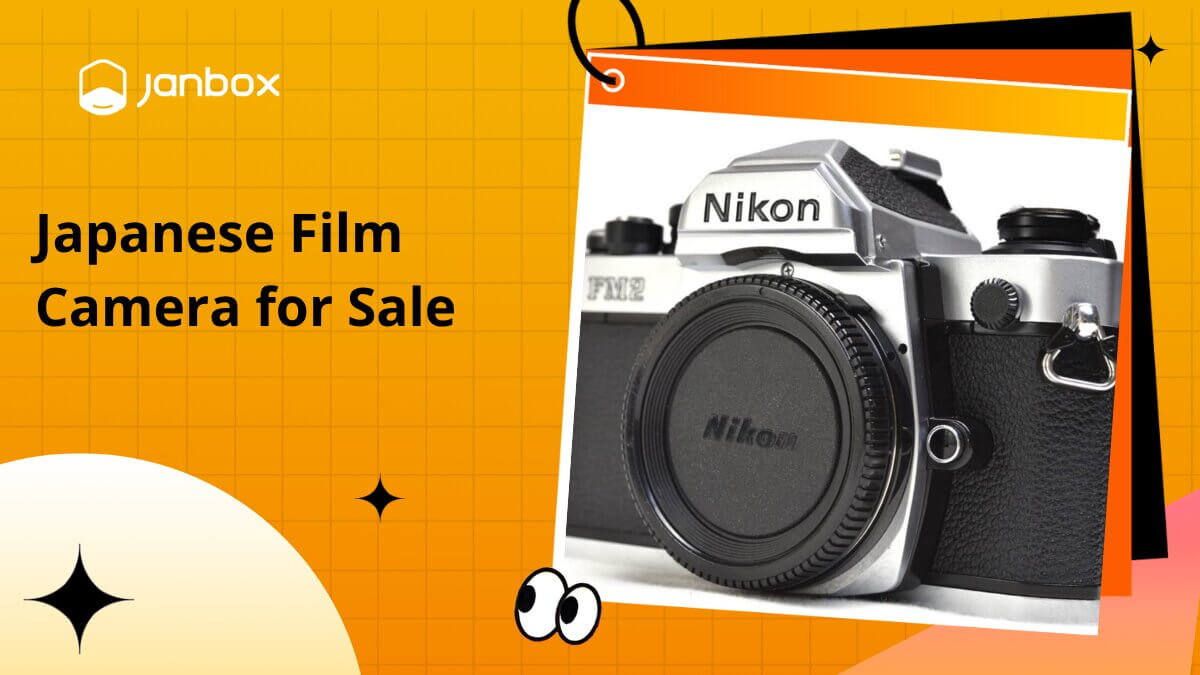
Japan has long been a favorite hunting ground for film camera lovers, with secondhand stores and online marketplaces offering everything from classic 35mm SLRs to compact cameras, medium format systems, and rare collector models. For overseas buyers, that makes finding a Japanese film camera for sale surprisingly easy. The harder part is figuring out which one is actually worth buying.
This guide will help you:
Find Japanese film camera models worth considering
Understand Japanese used-camera grades and listing terms
Know what to check before buying
Explore specialist camera stores and Japanese marketplaces
Buy eligible cameras from Japan and ship them overseas with Janbox
Whether you are looking for your first film camera or hunting down a particular vintage model, knowing how to read the listing is just as important as knowing which camera you want.
Is Buying a Film Camera from Japan Worth It?
Yes, Japan can be a great place to buy a film camera, especially if you want more choice than you can find in your local secondhand market. Japan was home to many of the biggest names in analog photography, and decades of camera ownership have left a deep secondhand market of bodies, lenses, and accessories.
Here are some of the main reasons photographers look to Japan:
A wide secondhand selection: Japanese camera shops and marketplaces carry everything from beginner-friendly 35mm SLRs to professional bodies, compact cameras, medium format systems, and collector pieces.
Plenty of Japanese brands to choose from: Canon, Nikon, Olympus, Pentax, Minolta, Mamiya, and other Japanese makers produced cameras across very different formats and price ranges.
Older and discontinued models: Japan is a useful hunting ground for cameras that disappeared from retail shelves years ago, including less common domestic releases.
More lenses and accessories: Shopping in Japan is not limited to camera bodies. You can also look for compatible lenses, flashes, filters, grips, cases, and other original accessories.
Specialist used-camera stores: Japan has long-established camera shops where used equipment is inspected and graded, giving buyers another option beyond individual marketplace sellers.
More room to compare: Popular models often appear in several conditions and configurations, from body-only listings to complete kits. This makes it easier to compare what you are getting for the price.
That said, a camera being sold in Japan does not automatically make it cheaper or better maintained. With equipment that may be several decades old, the condition of the individual camera matters far more than its country of sale.
What Japanese Film Cameras Are Worth Looking For?
There is no single Japanese film camera that makes sense for everyone. A first-time film shooter may want a straightforward 35mm SLR, while a street photographer might prefer something small enough to carry all day. Medium format and collector cameras are another category entirely.
Rather than ranking models from best to worst, here are some useful places to start.
35mm SLR Cameras
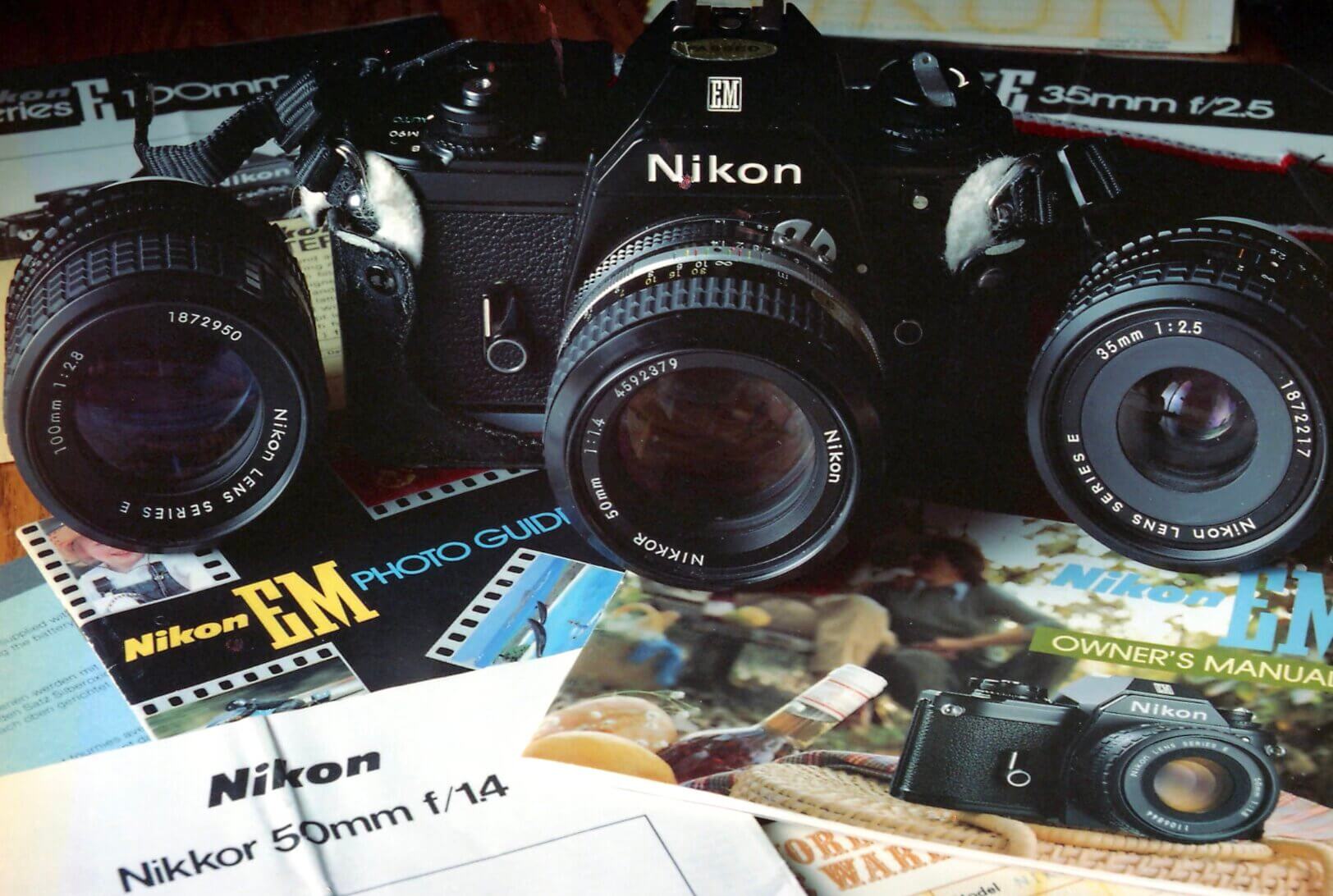
A 35mm SLR is one of the most practical starting points if you want manual control, interchangeable lenses, and the classic film photography experience.
Some well-known Japanese models include:
Canon AE-1: A popular entry point into the Canon FD system, with shutter-priority automatic exposure alongside manual controls.
Nikon FM2: A mechanical SLR known for its straightforward manual operation and access to Nikon F-mount lenses.
Nikon F3: A professional-level Nikon body with aperture-priority exposure and a much broader system of interchangeable accessories.
Olympus OM-1: Noticeably smaller and lighter than many SLRs of its era, making it appealing for photographers who do not want a bulky setup.
Pentax K1000: A simple manual SLR commonly associated with learning the basics of exposure and film photography.
Minolta X-700: Offers manual shooting along with aperture-priority and programmed exposure, making it more flexible for photographers who want some automation.
These models are popular, but model reputation should never replace a condition check. A well-kept Minolta or Olympus can be a much smarter purchase than a famous Nikon or Canon body with mechanical problems.
Compact Film Cameras
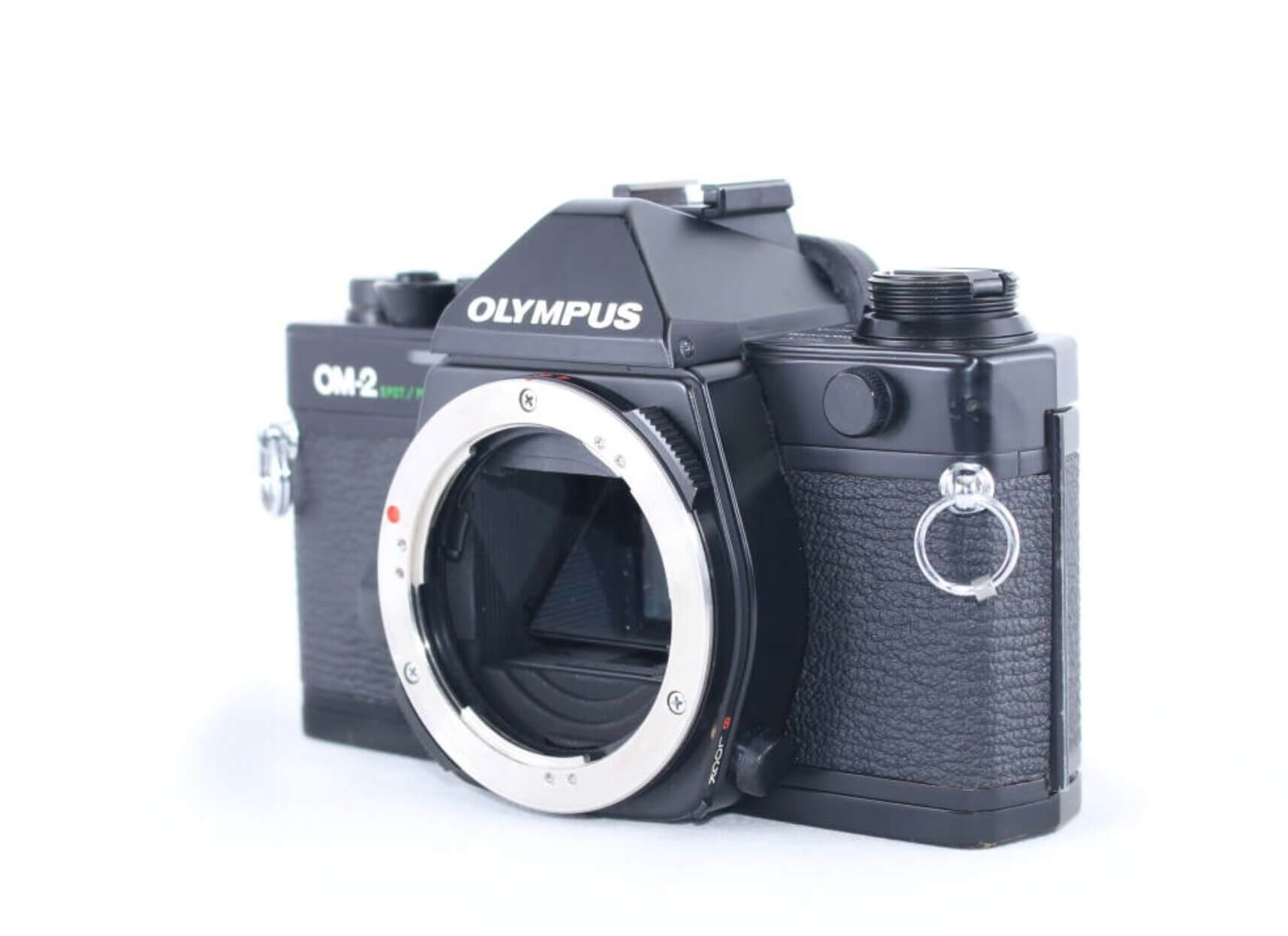
Compact cameras trade interchangeable lenses for portability and convenience. They can be particularly appealing for travel, street photography, and everyday snapshots.
Models worth searching for include:
Olympus XA: A pocket-sized rangefinder with a distinctive sliding cover and aperture-priority exposure.
Olympus mju-II: A small autofocus point-and-shoot that has become highly sought after on the secondhand market.
Canon Autoboy series: A broad family of Canon point-and-shoot cameras, with different lenses and functions depending on the model.
Contax T-series: Premium compact cameras known for their Carl Zeiss lenses and strong collector demand.
Compact does not necessarily mean cheap. Some fashionable point-and-shoot models now command high secondhand prices, so it is worth asking whether you are paying for photographic capability, rarity, or collector demand.
Medium Format Cameras
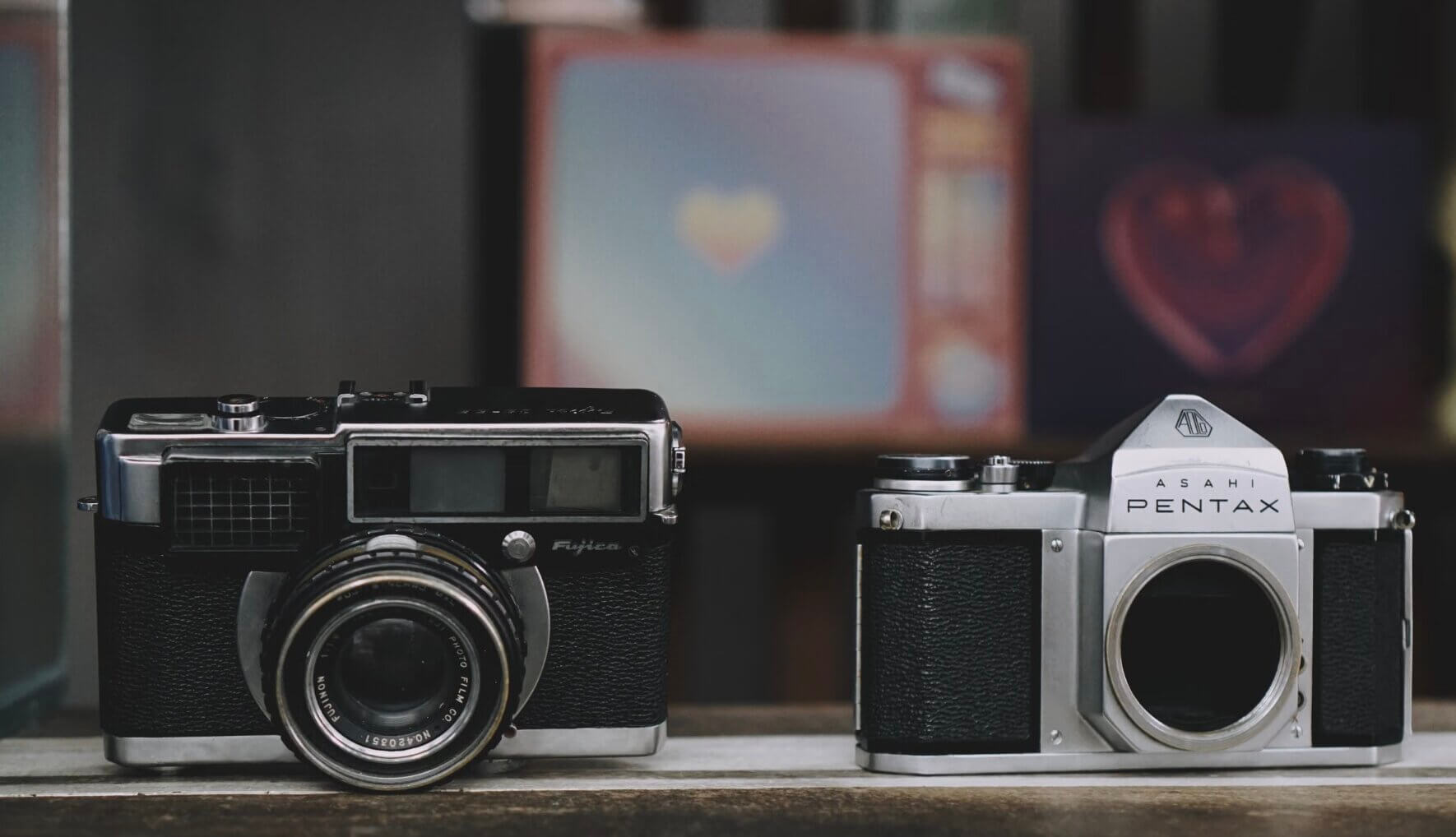
If you want to move beyond 35mm, Japan also produced several celebrated medium format systems. Their larger negatives can deliver more detail, but the cameras themselves tend to be bigger, heavier, and more expensive to shoot.
Popular options include:
Mamiya RB67: A modular 6×7 system strongly associated with studio and portrait photography.
Pentax 67: A 6×7 camera with an SLR-style body that may feel more familiar to photographers coming from 35mm.
Mamiya 645: Uses the smaller 6×4.5 medium format and offers a more manageable alternative to larger 6×7 systems.
When shopping overseas, remember that the size and weight of medium format bodies and lenses can also make international shipping considerably different from shipping a small 35mm camera.
Vintage and Collector Cameras
Not everyone buying a Japanese film camera is looking for a daily shooter. Japan's secondhand market can also turn up rare editions, discontinued cameras, older domestic releases, unusual color variations, vintage rangefinders, and models valued primarily by collectors.
This is where condition becomes more nuanced. A collector may care deeply about original packaging, cosmetic marks, serial numbers, or matching accessories. Someone who simply wants to shoot film may be happier paying less for a camera with exterior wear but sound mechanics.
Here is a quick way to narrow down your search:
Camera Type | Good For | What to Expect |
35mm SLR | Beginners to enthusiasts | Interchangeable lenses and plenty of manual control |
Compact | Street and travel | Portable, although popular models can be surprisingly expensive |
Rangefinder | Street photography | Compact shooting with a different focusing experience from an SLR |
Medium format | Portrait and studio | Larger negatives, but bigger and heavier equipment |
Collector models | Collecting | Value depends heavily on rarity, originality, and condition |
Once you have a few models in mind, the next question is not simply which camera has the best reputation, but what condition the individual camera is actually in. That is where Japanese grading systems and listing terminology become particularly important.
Best Places to Find Japanese Film Cameras for Sale
Japan gives film camera shoppers two very different ways to hunt: specialist camera stores with carefully graded used equipment, and online marketplaces where the selection is broader but the condition can be less predictable. Which route makes sense depends on whether you value reassurance, variety, price, or the thrill of finding something unusual.
Fujiya Camera
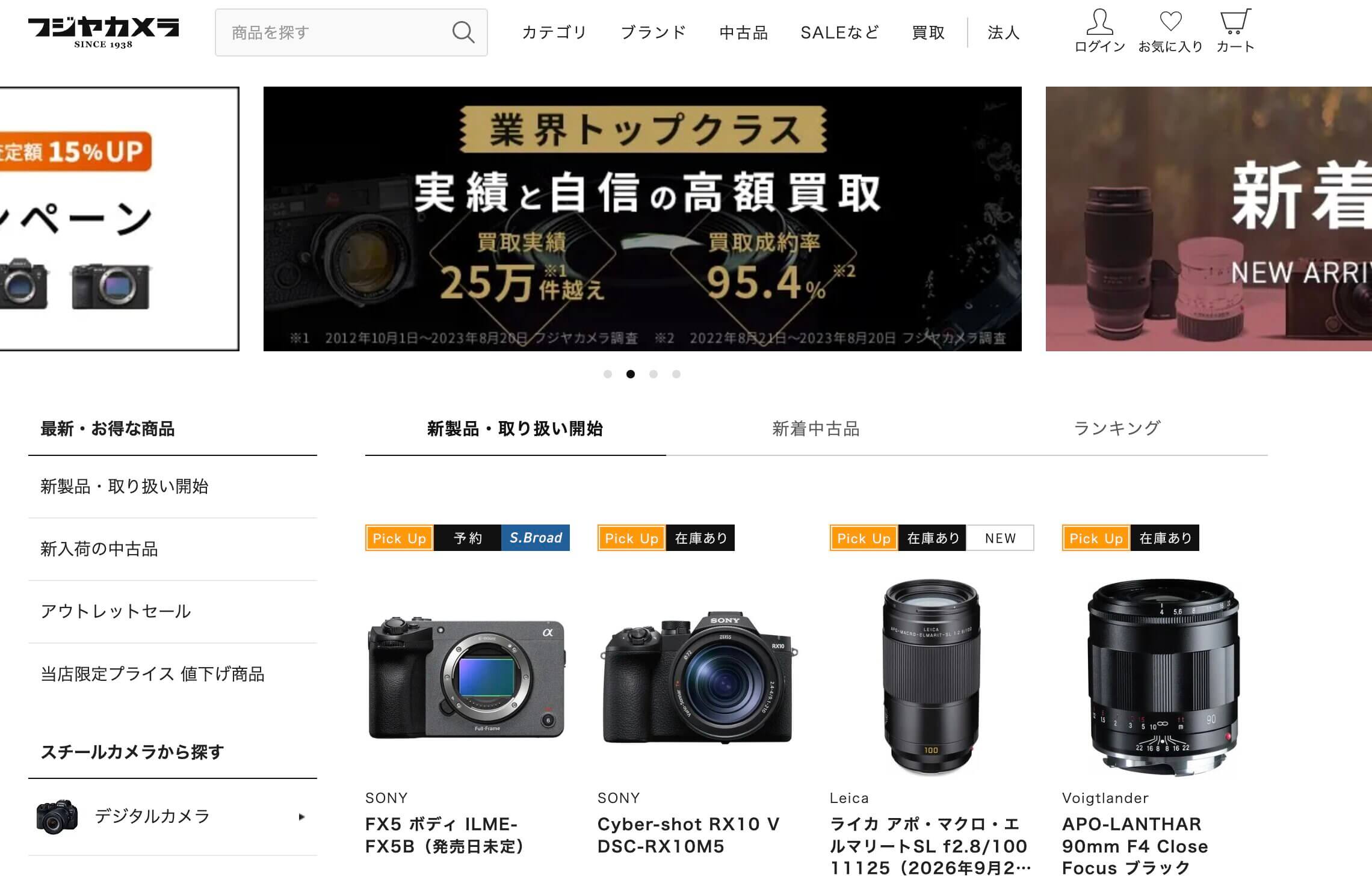
Fujiya Camera is one of Japan's long-established specialist camera retailers and a good place to start if you prefer used equipment with a clearer condition grading system.
Its secondhand selection covers camera bodies, lenses, and accessories across both older and newer systems. According to LIVE JAPAN, the store carries around 4,000 used items and sorts secondhand products across five condition levels.
For film camera buyers, that grading system makes comparison easier. You can look beyond the model name and price and see how one copy of a camera compares with another before making a decision.
Map Camera
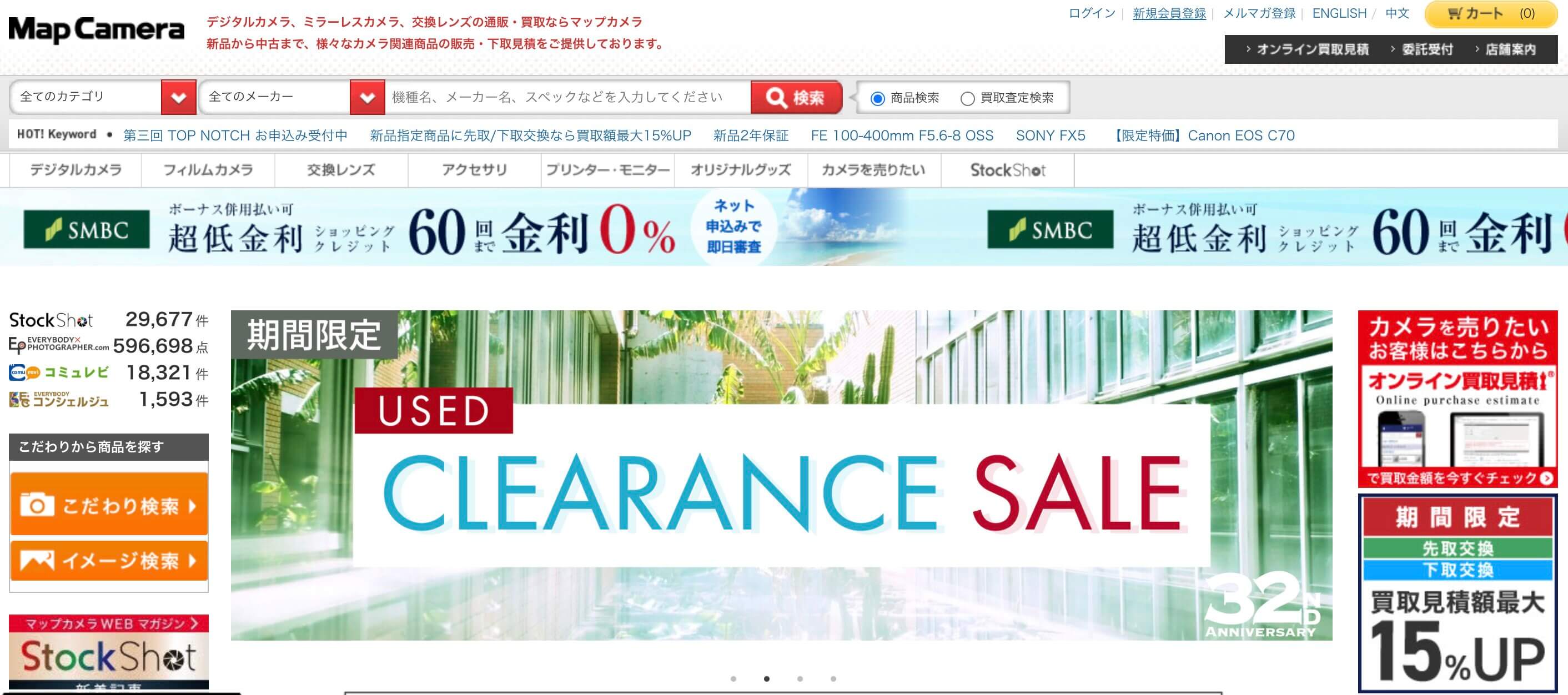
Map Camera is another major name in Tokyo's used-camera scene, with an especially large inventory spanning film and digital cameras, lenses, and accessories from Japanese and international manufacturers.
LIVE JAPAN reports an inventory of approximately 20,000 cameras and a six-level system for evaluating used equipment. The store also has repair and maintenance operations, which adds to its appeal for shoppers who want a more specialist buying experience.
The sheer selection makes Map Camera particularly useful when you already know the model you want and would rather compare several bodies or lenses in different conditions and price ranges.
Lemon Inc.
For something older, Lemon Inc. is worth knowing. Its inventory extends beyond mainstream used cameras into classic and vintage photographic equipment.
You may come across familiar Japanese names such as Nikon, Canon, Olympus, and Pentax alongside foreign brands and older twin-lens reflex cameras. LIVE JAPAN specifically highlights models such as the Ricohflex and Yashicaflex, making Lemon an interesting stop when your search extends beyond the usual 35mm SLRs.
Sukiya Camera
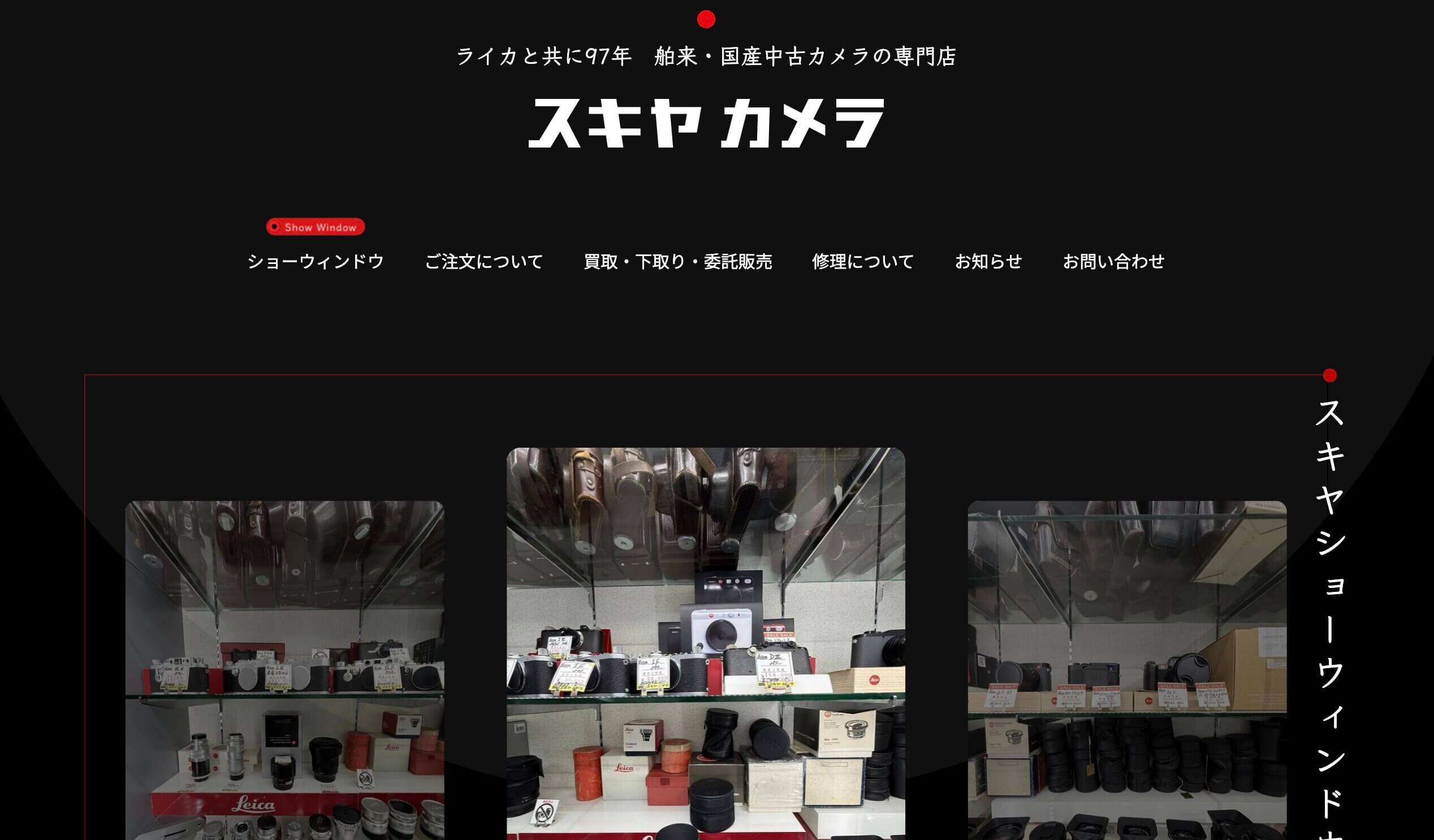
Sukiya Camera leans further toward the rare and collector side of film photography.
Rather than being somewhere to look only for a first inexpensive SLR, it can be interesting for photographers chasing older or less common equipment. LIVE JAPAN notes that rare compact film cameras from Kyocera and Contax have been particularly sought after by overseas visitors.
For collector cameras, however, the model alone tells only part of the story. Original accessories, cosmetic condition, functionality, and the exact version can all have a large effect on value.
Japanese Online Marketplaces
You do not have to limit your search to specialist camera stores. Japan's online secondhand market opens up a much larger pool of individual listings through Yahoo! Auctions Japan, Mercari Japan, Rakuten Japan, and Yahoo! Flea Market.
This can be particularly useful when searching for a specific camera body, uncommon lens, discontinued accessory, or collector model that specialist stores do not currently have.
The trade-off is that listing quality varies much more widely. A specialist camera store may provide detailed grading and testing information, while a marketplace seller might give you only a few photos and a short description. That puts more responsibility on you to check seller feedback, functionality, optics, cosmetic wear, included accessories, and the wording of the listing.
In simple terms:
Specialist store → easier condition assessment and generally more reassurance. Marketplace or auction → wider selection and more potential finds, but more homework before buying.
Janbox
For international buyers who want to search beyond a single store, Janbox provides another route into the Japanese market.
Janbox is a cross-border shopping platform that helps international buyers access eligible products from Japanese stores and marketplaces. Instead of restricting your search to one camera retailer, you can look across different Japanese shopping sources or paste the URL of an eligible product you have already found.
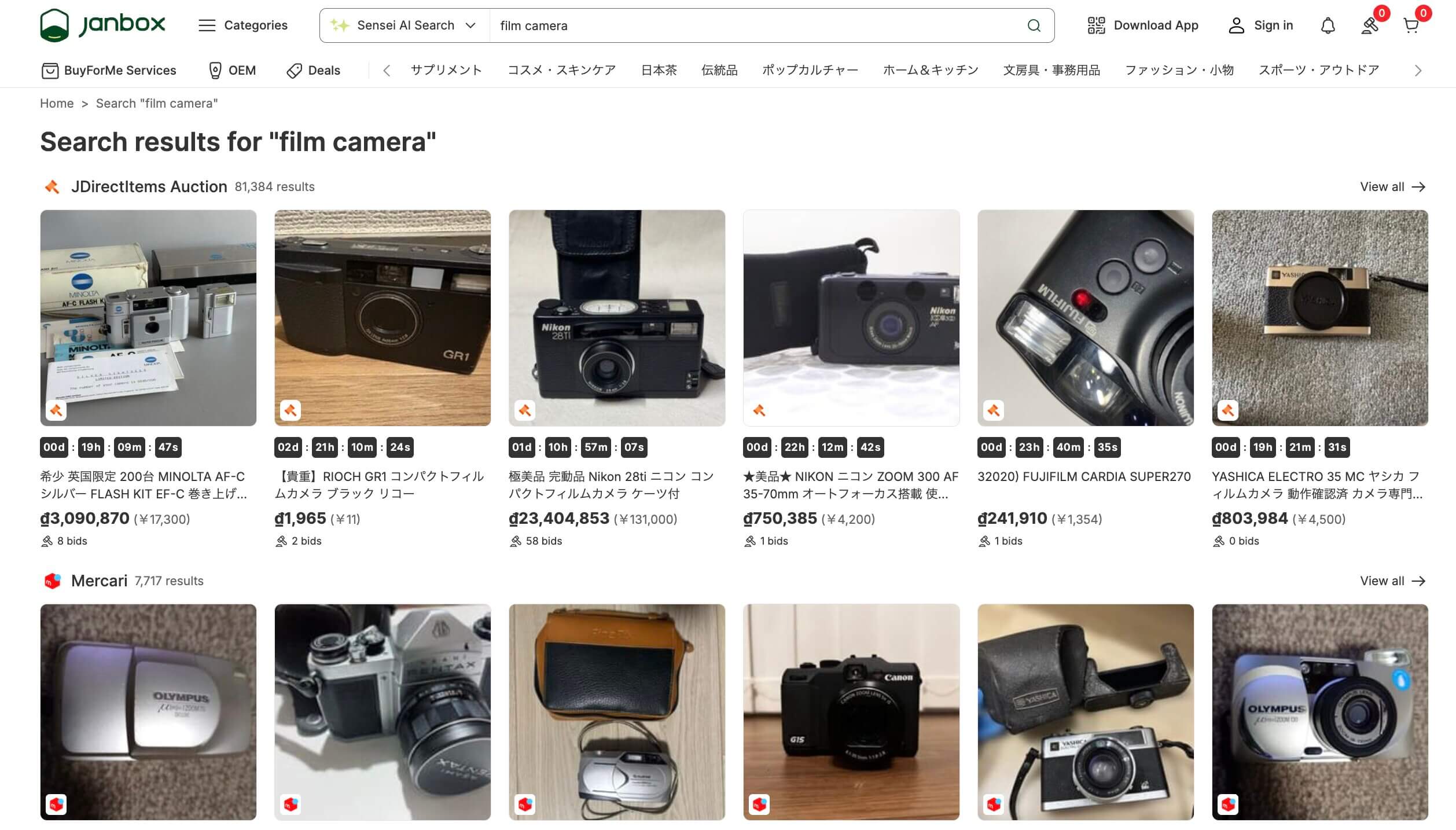
That becomes particularly useful when building a complete film photography setup. The camera body, lens, and accessories do not necessarily have to come from the same Japanese seller. You might find the body you want on one marketplace, a better-condition lens elsewhere, and a compatible accessory from another Japanese store, then manage those eligible purchases through Janbox before arranging international shipping.
Read more: How To Buy Cameras From Japan Online: All You Need To Know
How to Buy a Japanese Film Camera Online with Janbox
Once you have a model in mind, the next step is finding the right individual camera. With Janbox, you can search eligible Japanese shopping sources, compare listings, and put together a camera setup before arranging international shipping.
Step 1. Find the Camera
Start by searching through Janbox using specific terms such as:
Brand + model: Nikon FM2, Canon AE-1, Olympus XA
Japanese model name: Useful when a camera was sold under a different name in Japan
Lens mount: Nikon F, Canon FD, Pentax K, and others
ボディのみ: Body only
動作確認済み: Operation checked
Specific searches can help separate a camera body from lens kits, accessories, and unrelated products.
Already found a promising camera elsewhere? Paste the URL of the eligible Japanese listing into Janbox instead of starting your search again.
Step 2. Check the Exact Camera
Two Nikon FM2 bodies may look nearly identical in the search results but be very different purchases. Treat every used camera as an individual item and check:
Operation: Shutter, film advance, rewind, meter, and other functions
Optics: Fungus, haze, scratches, separation, and dust
Condition: Wear, dents, corrosion, light seals, and other age-related issues
Included items: Lens, caps, case, strap, manuals, or other accessories
Seller: Ratings and any additional condition notes
Price: Compare it with similar cameras in comparable condition
Do not let a clean exterior make the decision for you. A visibly used camera with confirmed operation may be a better purchase than a beautiful body with little information about whether it actually works.
Step 3. Complete Your Camera Kit
One advantage of shopping across Japanese sources is that you do not have to find the perfect kit in a single listing.
For example, you might find:
Nikon FM2 body
Nikkor 50mm lens
compatible flash or accessory
from different eligible Japanese sellers or stores.
This gives you more freedom to compare the condition and price of each component instead of settling for whatever happens to come with one camera.
Before ordering separate pieces, check compatibility carefully. Lens mount is the obvious one, but filter size, batteries, flash connections, and model-specific accessories can matter too.
Step 4. Ship Your Camera Overseas
Once your eligible purchases are ready in Japan, choose an international shipping option that suits the equipment and destination.
Consider:
Protective packing for the camera and lens
Camera and lens value
Total parcel weight and dimensions
Shipping cost and delivery time
Restrictions for your destination
Film cameras contain delicate mechanical parts and glass, so protective packing can matter more than simply choosing the cheapest shipping option. Once everything is ready, arrange international delivery and inspect the equipment after it arrives.
Conclusion
Finding a Japanese film camera for sale gives you access to an impressive secondhand market, but the best purchase is rarely just the cheapest or best-looking camera on the page. The exact condition, optics, operation, accessories, and seller information all deserve a closer look.
Start with the camera you actually want to shoot, learn how Japanese sellers describe used condition, and compare individual listings before buying. If the right body, lens, and accessories are scattered across different Japanese sources, Janbox can help bring those eligible purchases into one cross-border shopping process.
FAQs
Are film cameras cheaper in Japan?
Not always. Some cameras may be competitively priced because of the size of Japan's secondhand market, while popular compact cameras and collector models can command high prices. Compare the camera price, condition, included lens or accessories, domestic costs, and international shipping before deciding whether a listing is actually a good deal.
What is the best Japanese film camera for beginners?
It depends on how you want to shoot. Cameras such as the Pentax K1000, Canon AE-1, Olympus OM-1, Minolta X-700, and Nikon FM2 are common starting points, but they offer different levels of automation and lens compatibility. For a first camera, a well-functioning example in good shooting condition is generally more important than choosing the most famous model.
What does “junk” mean on Japanese camera listings?
ジャンク (junk) generally indicates an item sold with faults, unknown functionality, missing parts, or without a working guarantee. Some junk cameras are repairable, while others are useful mainly for parts. Unless you are comfortable assessing and repairing old cameras, do not treat “junk” simply as another word for “cheap.”
What does 動作確認済み mean on a Japanese camera listing?
動作確認済み means that operation has been checked. However, it does not necessarily tell you exactly which functions were tested or how thoroughly the camera was inspected. Read the full description for details about the shutter, meter, film transport, lens, and other functions.
Should I buy a body-only film camera?
A body-only camera can make sense when you already own compatible lenses or want to choose the lens separately. Just check the lens mount and compatibility before buying, as cameras from the same brand do not necessarily use the same lens system.
Is a little dust inside an old camera lens a problem?
Small amounts of internal dust are common in older lenses and may have little practical effect on photographs. Fungus, heavy haze, separation, or substantial scratches deserve more attention, so distinguish between these issues when reading a used-camera description.
Table of Contents
Related Posts