Japanese Home Goods Store: Best Places to Buy from Japan for 2026
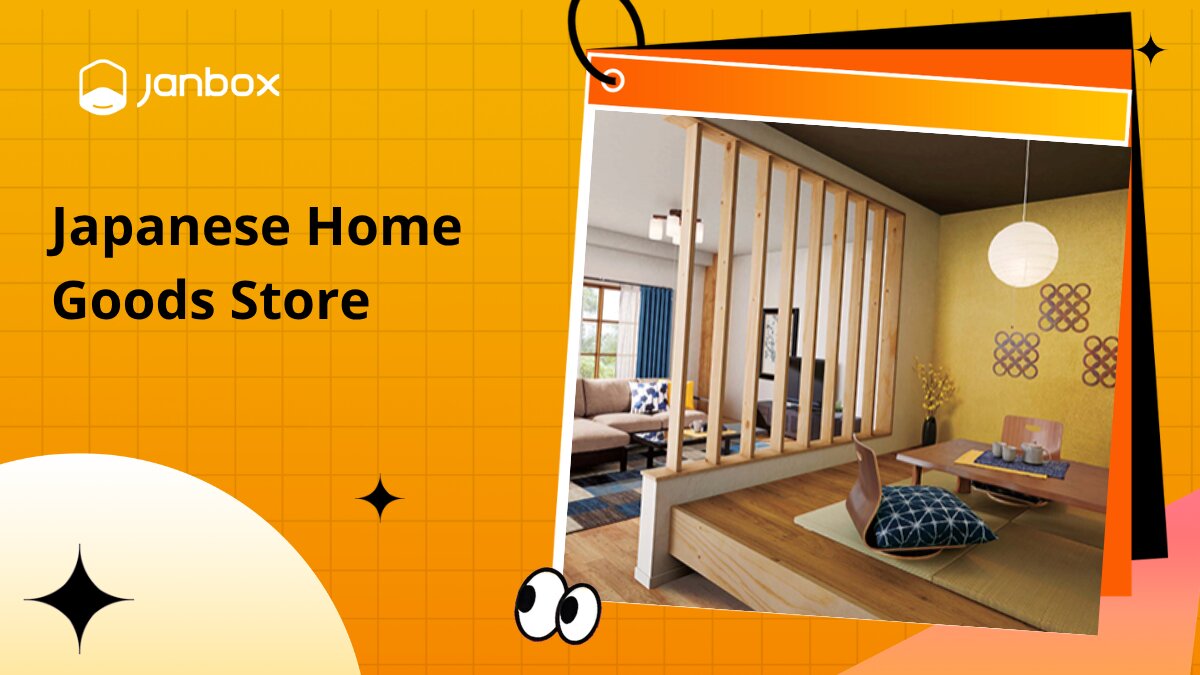
You have probably come across Japanese home goods without even realizing how broad the category is. One store might be filled with clever kitchen tools and small-space storage, while another focuses on minimalist homeware, affordable decor, or traditional Japanese crafts.
Finding the right Japanese home goods store therefore depends on what you actually want for your home. This guide explores 10 stores worth browsing in 2026, what makes each one different, what to think twice about importing, and how to shop across Japanese stores when buying from overseas.
What Makes a Japanese Home Goods Store Different?
Japanese home goods stores tend to treat everyday household items as more than basic necessities. Their ranges often combine practical function, compact sizing, thoughtful storage, and clean design, reflecting the realities of Japanese homes where making good use of available space matters.
That context is particularly relevant in Japan. According to Japan's 2023 Housing and Land Survey, the average floor area per dwelling was 90.9 m², while rented homes averaged only 46.8 m². Smaller living spaces help explain why compact storage, stackable products, multipurpose items, and tools designed for specific household tasks have such a visible place in Japanese home retail.
Beyond that, a few characteristics make Japanese home goods stores worth exploring:
Practical use comes first: Many products are designed around a clear household task rather than decoration alone.
Small spaces influence product design: Stackable storage, slim organizers, foldable items, and compact tools are common across Japanese stores.
Stores serve very different needs: You can shop at full home-furnishing retailers, minimalist lifestyle brands, low-cost variety stores, or specialist craft shops.
Prices cover a wide range: A shopping trip can take you from a ¥100 kitchen organizer to handcrafted ceramics and textiles.
Traditional and modern homeware sit side by side: Contemporary storage and kitchen tools share the market with regional ceramics, textiles, woodwork, and other Japanese crafts.
Domestic ranges can be broader: Japanese stores may carry colors, sizes, seasonal collections, or products that are not available through their international branches.
This variety is why it makes more sense to compare each Japanese home goods store by what it does best rather than looking for one store that covers every type of shopper.
10 Japanese Home Goods Stores Worth Browsing
There is no single best place to shop for Japanese homeware. Nitori can help furnish an entire room, Daiso is better for inexpensive household finds, while stores such as KEYUCA and Nakagawa Masashichi Shoten serve shoppers looking for more design-led or craft-focused pieces.
Here is a quick comparison before we look at what makes each store worth browsing:
Store | Shopping Style | Best For | Price |
Nitori | Home furnishing | Whole-home basics | –$ |
MUJI Japan | Minimal lifestyle | Storage and everyday homeware | $$ |
Daiso | 100-yen style | Small practical goods | $ |
Standard Products | Affordable design | Simple homeware | –$ |
3COINS | Trend-led affordable | Decor and small household goods | $ |
Hands | Variety store | Problem-solving home goods | $$ |
Loft | Lifestyle store | Design and small home accessories | $$ |
KEYUCA | Home lifestyle | Kitchen and refined everyday goods | $$ |
Nakagawa Masashichi Shoten | Japanese craft | Traditional-modern homeware | $$$ |
Japanese Zakka Stores | Curated home goods | Less mainstream Japanese finds | Varies |
1. Nitori
Nitori is one of the strongest starting points when you want to shop for several areas of the home at once. Rather than specializing in small accessories, its range extends across furniture, bedding, curtains, rugs, storage, kitchenware, tableware, and interior goods.
The appeal is breadth. You could browse a sofa or bed and then move into kitchen storage, towels, cookware, or organizers without changing retailers. Nitori is therefore closer to a full home-furnishing destination than a typical Japanese lifestyle shop.
Best for: Furniture, storage, bedding, kitchenware, and whole-home basics.
2. MUJI Japan
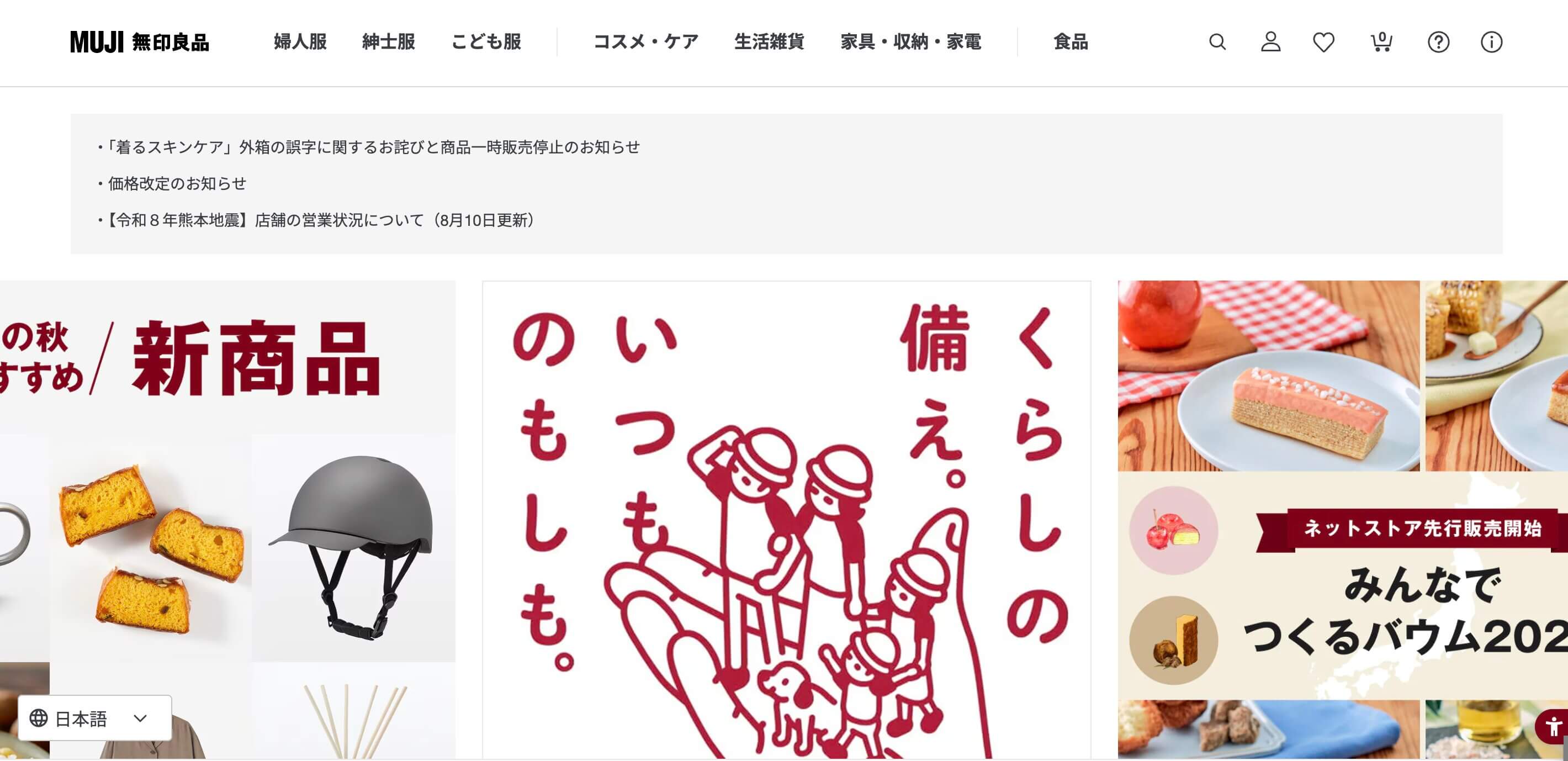
MUJI Japan takes a different approach. Its home range is built around restrained design and household items that can work together visually, from storage systems and kitchen tools to cleaning products, bathroom goods, bedding, and textiles.
For overseas shoppers, browsing the Japanese store can also be interesting because domestic availability does not always mirror what is offered by MUJI in other countries.
Best for: Minimalist storage and coordinated everyday homeware.
3. Daiso
Daiso is where small household problems often meet very inexpensive fixes. The home selection includes organizers, cleaning accessories, kitchen tools, laundry goods, tableware, hooks, containers, and other compact items.
Rather than furnishing a room, Daiso makes more sense for filling in the small things around it. It is also a fun place to browse because many products are designed around surprisingly specific household tasks.
Best for: Low-cost organizers, kitchen accessories, cleaning tools, and small practical finds.
4. Standard Products
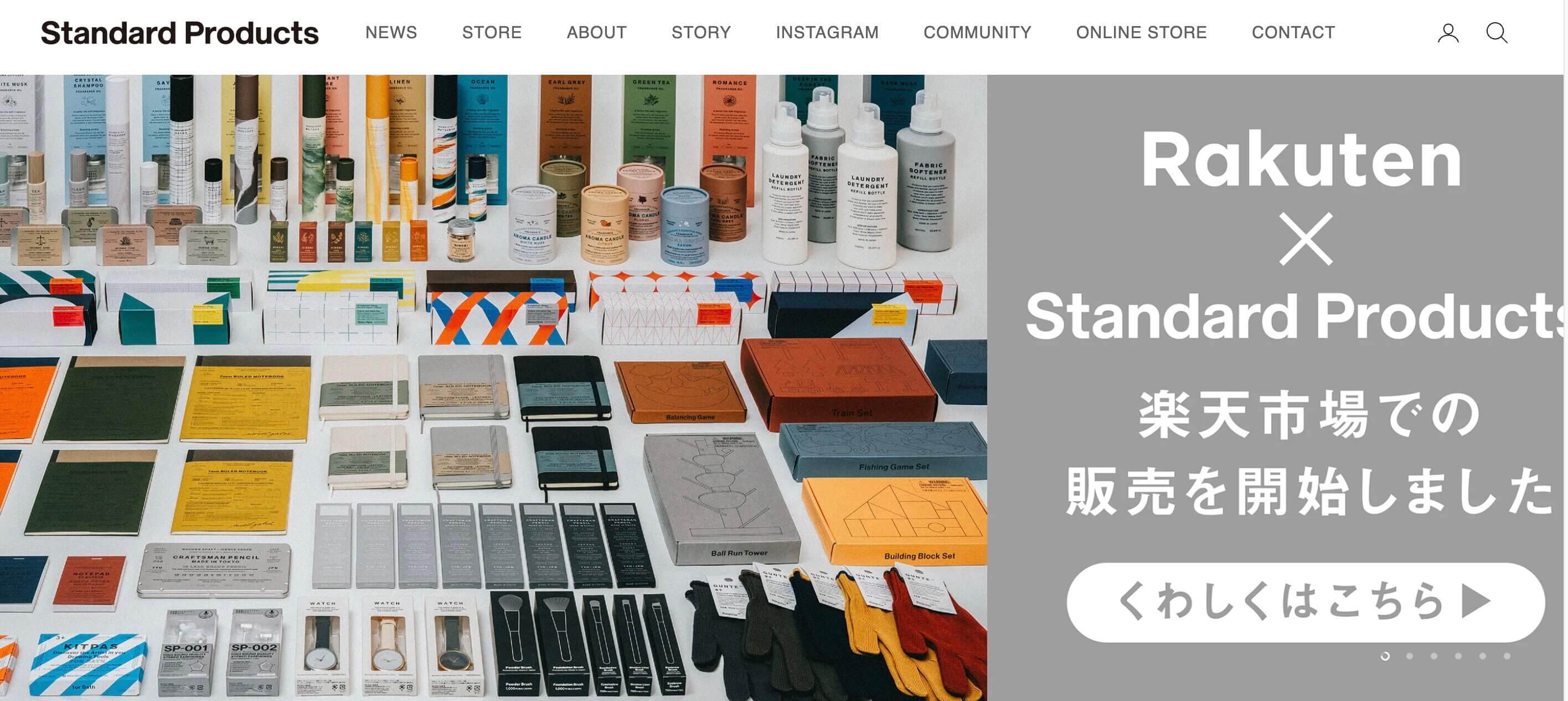
Standard Products comes from Daiso Industries but feels quite different from a conventional Daiso store. The concept moves toward simple design, subdued styling, and everyday products intended for longer-term use.
Its assortment spans areas such as kitchenware, wooden goods, storage, textiles, tableware, and home accessories. This makes it a useful middle ground when you like the affordability of variety stores but want something visually quieter and more coordinated.
Best for: Affordable homeware with a simple, design-conscious look.
5. 3COINS
3COINS sits in another interesting part of Japan's affordable home-goods market. Its collections lean more heavily into current colors, seasonal ideas, decor, kitchen accessories, storage, and small lifestyle products.
The inventory changes frequently, so part of the appeal is discovery. You might visit for an organizer and end up finding a seasonal kitchen item or small interior accessory that was not on your shopping list.
Best for: Affordable decor and trend-led household accessories.
6. Hands
Hands is not strictly a home store, but that is part of what makes it worth browsing. Its household departments are packed with products designed to solve specific problems, particularly across cooking, cleaning, storage, DIY, organization, and daily maintenance.
Hands is a particularly good choice when you know the problem you want to solve but not necessarily the product that solves it.
Best for: Clever kitchen tools, cleaning products, organization, and problem-solving household goods.
7. Loft
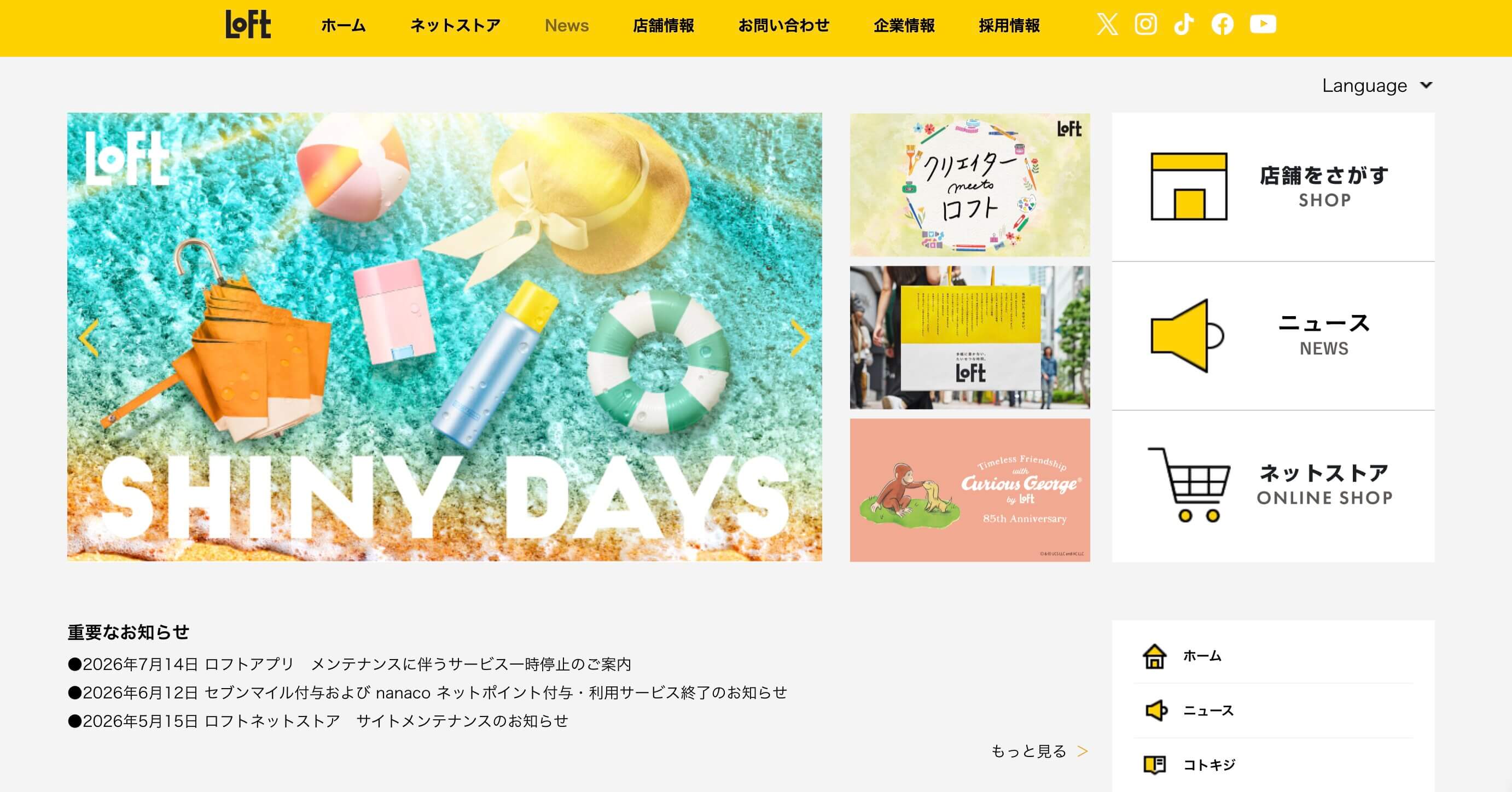
Loft also extends far beyond homeware, but its lifestyle focus makes it useful for smaller objects that add function or personality to a space.
Expect more kitchen accessories, small interior goods, seasonal products, lifestyle objects, and design-oriented household items than large furniture or complete storage systems.
Compared with Nitori, browsing Loft is less about furnishing a home and more about finding the details that go inside it.
Best for: Small design objects, lifestyle products, and home accessories.
8. KEYUCA
KEYUCA occupies a useful space between mass-market basics and expensive design goods. Its collections cover kitchenware, tableware, storage, curtains, textiles, furniture, and everyday household accessories, often with a clean contemporary look.
KEYUCA is particularly worth browsing for the kitchen and dining area, where functional products still feel considered enough to leave out on display.
Best for: Refined everyday kitchenware, storage, textiles, and home accessories.
9. Nakagawa Masashichi Shoten
Nakagawa Masashichi Shoten takes the list in a different direction. The company traces its history back to 1716 and works extensively with Japanese craft and manufacturing traditions.
Here, you are more likely to encounter textiles, tableware, kitchen objects, seasonal goods, regional crafts, and household pieces rooted in Japanese materials or production traditions rather than generic home basics.
It is particularly relevant when “Japanese home goods” means something more specific to you than simply buying from a Japanese brand.
Best for: Japanese crafts and household objects with a stronger connection to local design and production traditions.
10. Japanese Zakka Stores
Zakka is less a single retailer than a style of Japanese shopping centered on everyday objects that make the home more useful, pleasant, or personal. A zakka store might carry ceramics beside baskets, cloths, trays, stationery, kitchen tools, small storage, and decorative objects.
That loose definition is exactly what makes these stores interesting. Smaller independent zakka shops and specialist retailers can reveal products that never appear in the catalogs of Japan's major home chains.
Best for: Curated household objects, independent makers, small Japanese brands, and less mainstream finds.
One thing to keep in mind while browsing any of these stores is that a Japanese retailer, a Japanese-designed product, and a product actually made in Japan are not necessarily the same thing. That distinction becomes particularly important when the item's Japanese origin is one of the reasons you want to buy it.
Japanese Brand Japanese Design or Made in Japan?
Shopping at a Japanese store does not necessarily mean everything on its shelves was made in Japan. This distinction matters if you are specifically looking for Japanese-made products rather than simply home goods sold by a Japanese retailer.
Japanese brand refers to the company behind the product. Brands such as Nitori or MUJI originated in Japan, but their products can be manufactured in Japan or elsewhere. A Japanese brand name alone therefore does not confirm where an item was produced.
Japanese design is broader. A product may reflect Japanese approaches to compact storage, simple forms, or everyday functionality while being manufactured outside Japan. This is common among larger retailers with international supply chains.
Made in Japan refers specifically to the product's country of manufacture. When origin matters, look for “Made in Japan” or the Japanese term 原産国 (country of origin) in the product specifications rather than relying on the store or brand name.
Traditional Japanese craft goes a step further. These products may be tied to a particular region, material, technique, or group of makers, such as Japanese ceramics, lacquerware, woodwork, or textiles. A handcrafted regional bowl and a mass-produced storage box can both be Japanese home goods, but they represent very different reasons to buy.
So before ordering, decide what you actually want: a product from a Japanese brand, Japanese-inspired functionality, something manufactured in Japan, or a piece connected to Japanese craft traditions. That distinction makes it much easier to judge whether importing the item is worthwhile.
What Should You Skip When Ordering Japanese Home Goods Overseas?
Not every good deal in a Japanese store remains a good deal once international shipping enters the picture. Before ordering, consider the item's size, weight, fragility, and whether you can already buy the same product closer to home.
Bulky Low-Value Items
Large but inexpensive products are often poor candidates for international shipping. A ¥1,000 plastic storage bin may look like a bargain in Japan, but its package can take up considerable space relative to its value.
Shipping carriers may also calculate charges based on dimensional weight rather than actual weight for bulky parcels. This means a lightweight storage basket or organizer can cost more to ship than expected.
Skip it when: The international shipping cost approaches or exceeds what you would pay for a comparable product locally.
Furniture Unless the Item Is Truly Special
Nitori and other Japanese retailers may have attractive prices on tables, shelves, chairs, and other furniture, but those prices are designed around the domestic market.
Once you add oversized packaging and international freight, an affordable piece of furniture can become an expensive import.
Furniture makes more sense when you are buying a specific Japan-only design, collector piece, or item that is genuinely difficult to replace locally, rather than an ordinary shelf or chair.
Electrical Goods Without Checking Compatibility
A Japanese appliance may physically reach your country and still be unsuitable for your home.
Before buying, check:
Voltage
Frequency
Plug type
Wattage
Manufacturer usage specifications
Japan generally uses 100V electricity, while many countries use higher voltages. Never assume that an appliance will work safely just because the plug looks similar.
Read more: Using Electrical Appliances in Japan: Voltage, Plugs & What to Know
Fragile Goods Without Considering Packaging
Ceramics, glassware, mirrors, and delicate decorative pieces can be some of the most tempting products to buy from Japan, especially when they come from regional makers.
But the Japanese retail price tells only part of the story. You also need to consider protective packaging, parcel size, shipping method, and the risk of damage in transit.
This does not mean you should avoid Japanese ceramics or glass altogether. It simply means a ¥2,000 bowl and a ¥2,000 textile should not be evaluated as identical international purchases.
Products You Can Already Buy Locally
Before importing an item, check whether the exact same product is already available in your country.
For example, importing a standard MUJI storage container from Japan may make little sense when your local MUJI sells the same model at a reasonable price. The Japanese retail price might be lower, but international shipping can quickly erase the difference.
Buying directly from Japan becomes much more compelling when you are looking for:
Japan-only products
Domestic collections unavailable overseas
Specific colors, sizes, or models
Regional Japanese crafts
A wider selection than your local store carries
Products that are simply unavailable in your country
The goal is not to import everything simply because it comes from Japan. Choose the products for which access to the Japanese market actually gives you something you cannot easily get at home. This becomes especially relevant when those worthwhile items are spread across several Japanese stores rather than sold by a single retailer.
How to Shop Across Japanese Home Goods Stores with Janbox
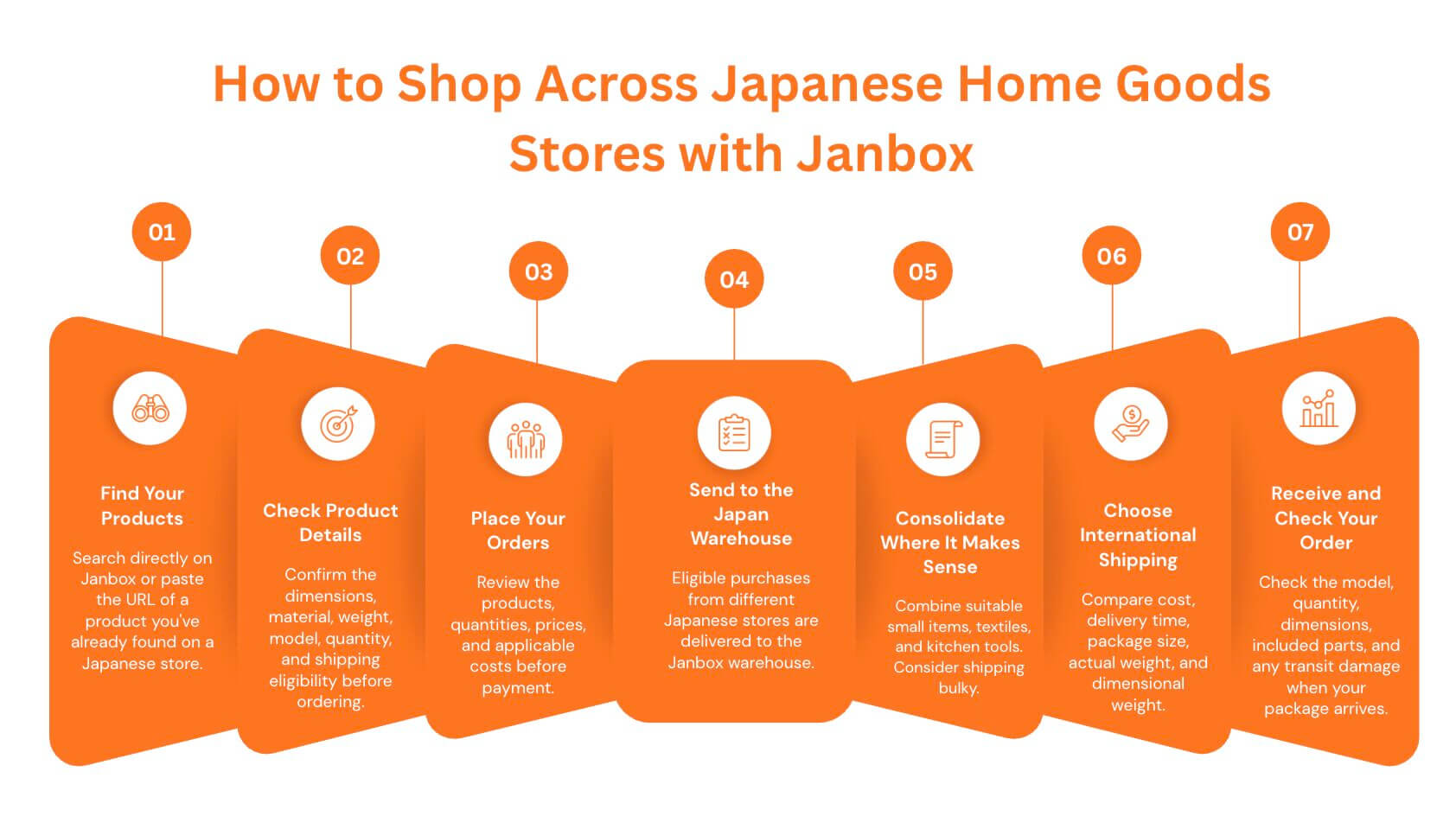
You may find a kitchen tool at Hands, storage at a Japanese marketplace, and a craft item from a smaller domestic shop. When your shopping list crosses several Japanese sources, buying everything directly from overseas becomes much less straightforward. Each store may have different checkout rules, domestic delivery options, and shipping policies.
This is where Janbox can help. Janbox is a cross-border marketplace that gives international shoppers access to products sold across Japanese stores and marketplaces, while bringing purchasing, Japan-based warehousing, package management, and international shipping into one process.
Instead of limiting your search to Japanese home goods stores that already ship internationally, you can use Janbox to shop eligible products from different Japanese sources and manage them in one place.
Step 1. Search Janbox or Bring in a Product You've Found
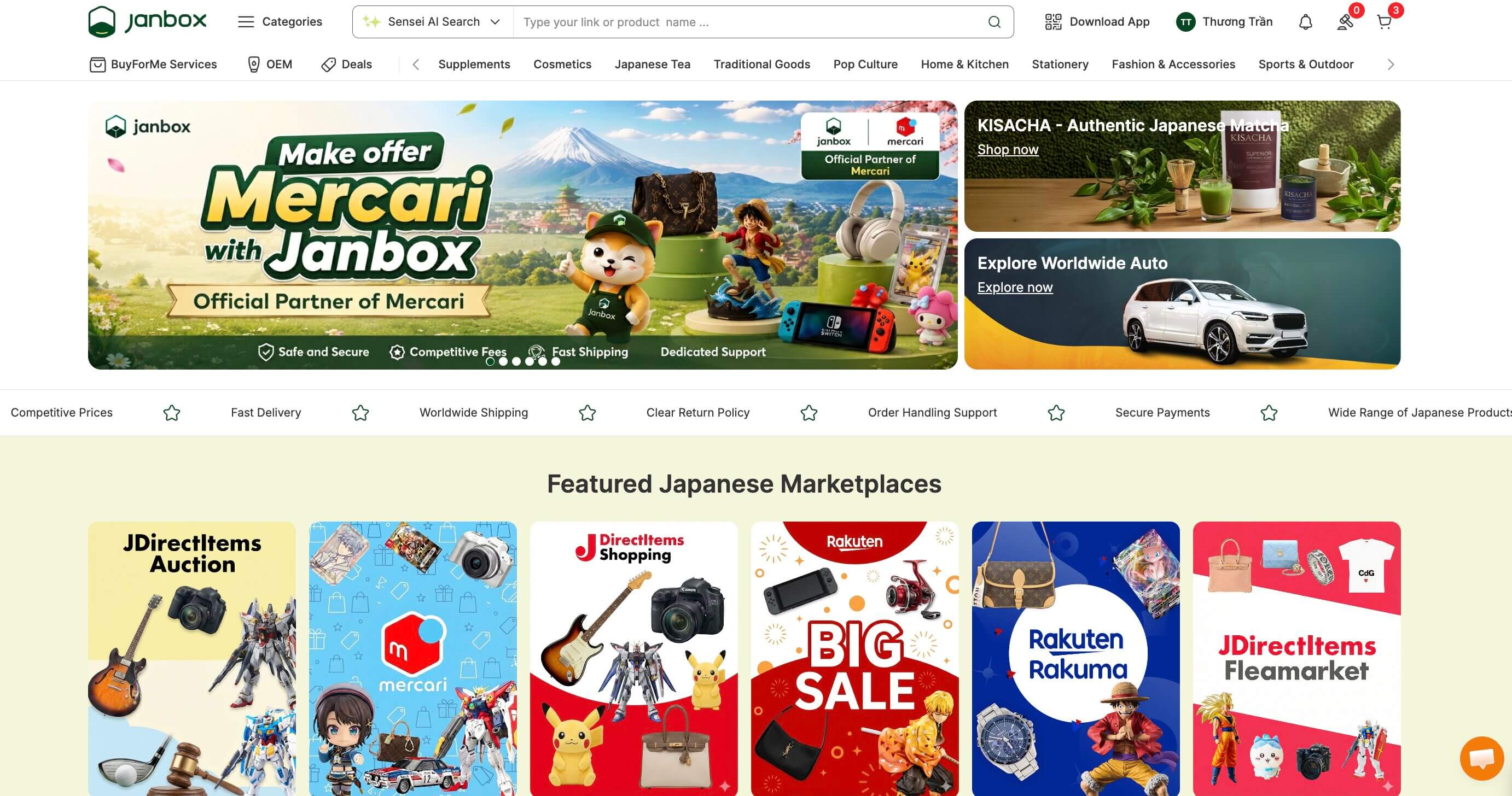
You can start directly on Janbox by searching for the product, brand, category, or Japanese product name.
Already found the exact item on a Japanese website? Copy its product URL and paste it into Janbox instead. This is useful when you have been browsing individual Japanese home stores and already know what you want.
For example, your shopping list might include a kitchen accessory from one retailer, storage from another, and a Japanese craft piece from a specialist shop.
Step 2. Check Dimensions Materials and Shipping Eligibility
Home goods vary greatly in size and construction, so product photos alone are not enough. Check the listing carefully before placing an order.
Pay particular attention to:
Dimensions: Confirm the actual measurements and whether the item will fit your space.
Material: Check whether you are buying plastic, wood, ceramic, glass, metal, or textile.
Quantity: Make sure the listing is for one item or a complete set.
Color and model: Japanese stores may carry several similar variations.
Weight: Heavier products can raise international shipping costs.
Fragility: Ceramics, glass, and delicate decor may need more careful handling.
Electrical specifications: Check voltage, frequency, plug, and wattage for electrical goods.
Shipping eligibility: Confirm that the item can be sent internationally to your destination.
Step 3. Place Your Orders
Once you have checked the products, place your eligible orders through Janbox.
Review the item, quantity, price, and applicable costs before payment. When shopping across several stores, check each product separately rather than assuming that similar-looking listings have the same size, material, or contents.
Step 4. Let Purchases Arrive at the Japan Warehouse
Eligible physical purchases are delivered to the Janbox warehouse in Japan.
Orders from different stores do not need to arrive at the same time. Your kitchenware may arrive first, followed by textiles or another home accessory from a separate Japanese seller.
This gives you a chance to manage purchases from several sources before deciding how they should continue overseas.
Step 5. Decide What Actually Makes Sense to Consolidate
Consolidation can be useful for smaller household purchases, but it should not be treated as the right choice for every order.
Items that may make sense to group include:
Kitchen tools
Towels and textiles
Small organizers
Household accessories
Compact decor
Other lightweight items
Be more careful with large, fragile, heavy, or awkwardly shaped products. Combining them could increase package dimensions or require additional protection, so compare the shipping implications before consolidating simply to reduce the number of parcels.
Step 6. Compare International Shipping
When your order is ready, compare the available shipping methods based on more than delivery speed.
For home goods, pay particular attention to actual weight and dimensional weight. A lightweight but oversized item can sometimes cost more to ship than a small heavy product because carriers also consider how much space the parcel occupies.
Also compare:
Package dimensions
Shipping cost
Delivery time
Tracking
Fragility
Destination restrictions
Customs and import requirements
This is another reason to think about shipping before buying rather than only after your products reach the warehouse.
Step 7. Receive and Check Your Home Goods
When your package arrives, compare the contents with your original orders.
Check the quantity, dimensions, color, model, and included parts, then inspect fragile products for cracks, chips, or other transit damage. For products that require assembly, confirm that the expected components are present before disposing of the packaging.
Shopping this way is most useful when Japan gives you access to products you genuinely cannot find locally. Instead of importing every household basic, you can focus your order on the domestic collections, specialist finds, and Japanese home goods that made you look beyond your local stores in the first place.
Conclusion
The best Japanese home goods store depends on what you want to bring home. Nitori and MUJI cover everyday living, Daiso and 3COINS are strong for smaller affordable finds, while specialist and zakka stores open the door to less mainstream Japanese design and craft.
When the products you want are spread across several domestic sources, Janbox gives overseas shoppers another way to access eligible Japanese listings and manage the journey from Japan to their destination.
FAQs
What is the best Japanese home goods store?
There is no single best option. Nitori is strong for whole-home basics, MUJI for minimalist homeware, Daiso for inexpensive practical items, and specialist craft or zakka stores for less mainstream Japanese products.
What is the Japanese equivalent of IKEA?
Nitori is often the closest comparison because it sells furniture alongside bedding, storage, kitchenware, curtains, rugs, and other household products. However, the brands have their own product ranges and retail approaches.
What is the difference between Daiso and Standard Products?
Both are operated by Daiso Industries, but they serve different shopping styles. Daiso focuses heavily on inexpensive everyday goods, while Standard Products has a more design-led range of simple household products at somewhat higher price points.
What is a Japanese zakka store?
A zakka store sells a broad mix of everyday lifestyle and household objects. Depending on the shop, you may find ceramics, textiles, baskets, trays, kitchen tools, storage, stationery, decor, and products from smaller makers.
Are Japanese home goods always made in Japan?
No. A product can come from a Japanese brand or retailer while being manufactured elsewhere. Check the listed country of origin or 原産国 when buying specifically for Japanese manufacture.
Table of Contents
- What Makes a Japanese Home Goods Store Different?
- 10 Japanese Home Goods Stores Worth Browsing
- Japanese Brand Japanese Design or Made in Japan?
- What Should You Skip When Ordering Japanese Home Goods Overseas?
- How to Shop Across Japanese Home Goods Stores with Janbox
- Step 1. Search Janbox or Bring in a Product You've Found
- Step 2. Check Dimensions Materials and Shipping Eligibility
- Step 3. Place Your Orders
- Step 4. Let Purchases Arrive at the Japan Warehouse
- Step 5. Decide What Actually Makes Sense to Consolidate
- Step 6. Compare International Shipping
- Step 7. Receive and Check Your Home Goods
- Conclusion
- FAQs