Japanese Shopping Websites You’ll Actually Use in 2026
Shopping on a Japanese website is something more people are exploring, especially when they want better prices, higher product quality, or items that are hard to find in their local market.
From everyday goods to second-hand deals and niche collectibles, Japanese platforms offer a wide range of options. Each website tends to focus on a specific type of product or shopping experience, which is why many buyers end up using multiple platforms depending on what they are looking for.
At the same time, the experience is not always the same for everyone. Most of these websites are built for local users in Japan, which means international buyers can run into issues when trying to complete a purchase.
If you’re trying to figure out which Japanese shopping website fits your needs and how to actually shop from it, this guide will walk you through the key platforms and how to approach them based on your situation.
Understanding the Japanese Shopping Website Landscape
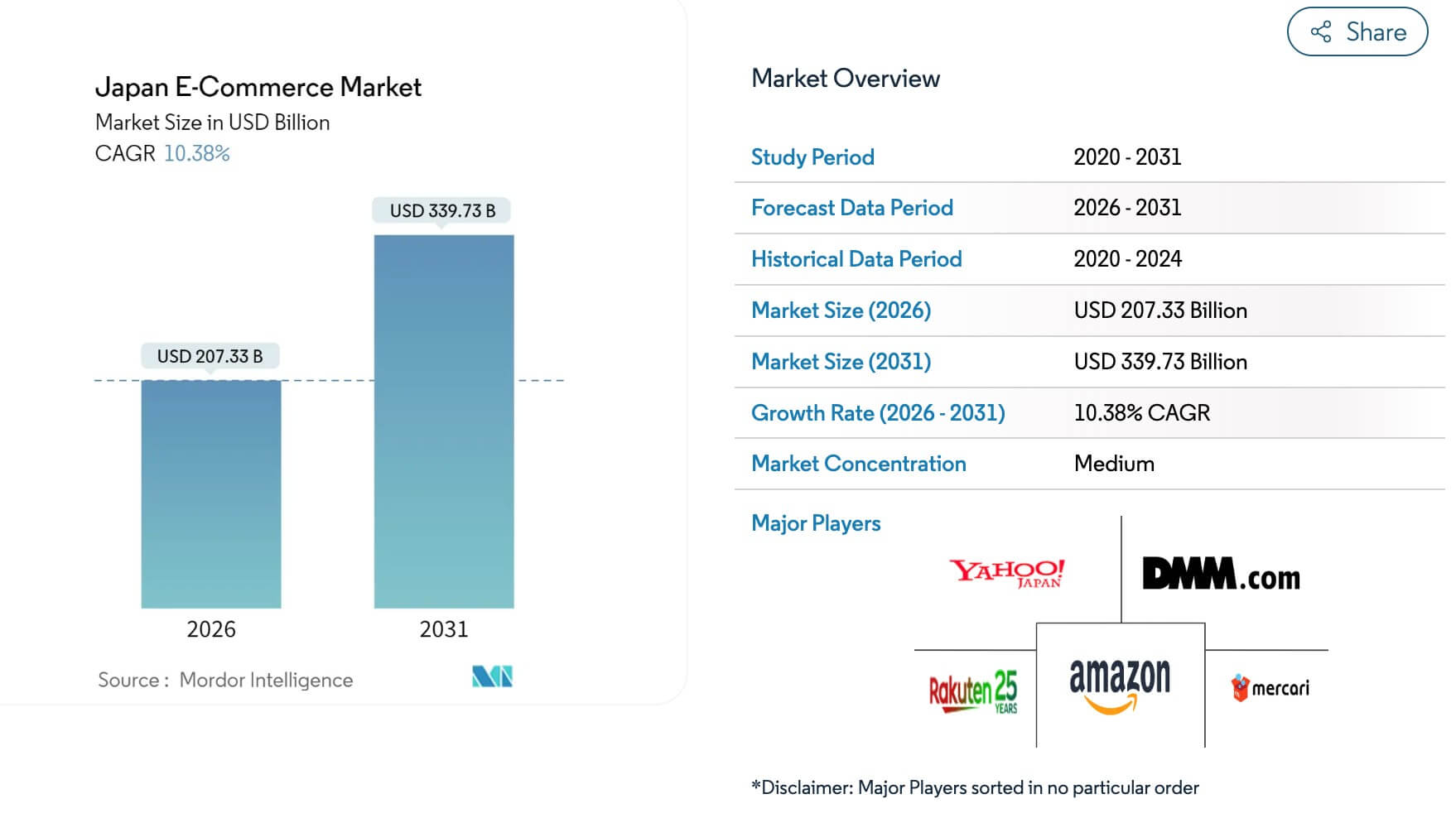
The Japanese e-commerce market is not only large, it’s also highly mature and structured differently compared to global platforms. As of 2026, the market has reached a valuation of $207.33 billion, with projections expected to climb to $339 billion by 2031 (Mordor Intelligence). More importantly, over 94 million people in Japan are already shopping online, accounting for roughly 76% of the population.
Japanese consumers are known for valuing quality and detail, with the average online buyer willing to spend more per product than the global average. This has shaped how shopping websites in Japan are built and how sellers operate within them.
One of the biggest differences lies in how the ecosystem is structured. Instead of relying on a single dominant platform, Japanese shopping websites are divided into two main groups.
General marketplaces focus on scale and variety. These platforms bring together thousands of sellers, offering a wide range of products across categories. They are commonly used for everyday shopping, where buyers compare listings, check prices, and choose between multiple sellers for the same item.
In contrast, specialized stores are built around specific needs. Some focus on second-hand goods, others on fashion, collectibles, or niche product categories. These platforms may not offer the same breadth, but they often provide better depth within their segment, including more unique inventory and clearer product positioning.
Because of this structure, shopping in Japan often involves moving between different types of websites rather than relying on a single platform. Once you understand how these two groups work, it becomes much easier to decide where to shop depending on what you want to buy.
Best Japanese Shopping Websites by Use Case
When you start exploring Japanese shopping websites, one thing becomes clear pretty quickly. You won’t rely on just one platform. Each site is built for a different purpose, which is why buyers often switch between them depending on what they want to buy.
Before going into each platform in detail, here’s a quick comparison to help you see where each one fits.
For Local Buyers in Japan
For shoppers living in Japan, these platforms offer the most complete experience. Payment methods, delivery options, and product availability are all designed for local users, which makes the buying process smoother and more consistent.
For Everyday Shopping
When it comes to daily purchases, most buyers start with large marketplaces that offer a wide selection across multiple categories. These platforms are built to handle high-volume shopping, making them suitable for everything from household items to electronics and beauty products.
They also allow buyers to compare options easily, either through multiple sellers or structured listings, depending on how the platform is designed.
1. Rakuten
Category | Details |
Platform Type | General marketplace |
Best For | Everyday shopping, price comparison |
Product Range | Electronics, fashion, home, beauty, and more |
Pricing Style | Multiple sellers, competitive pricing |
Availability | Primarily for local users |
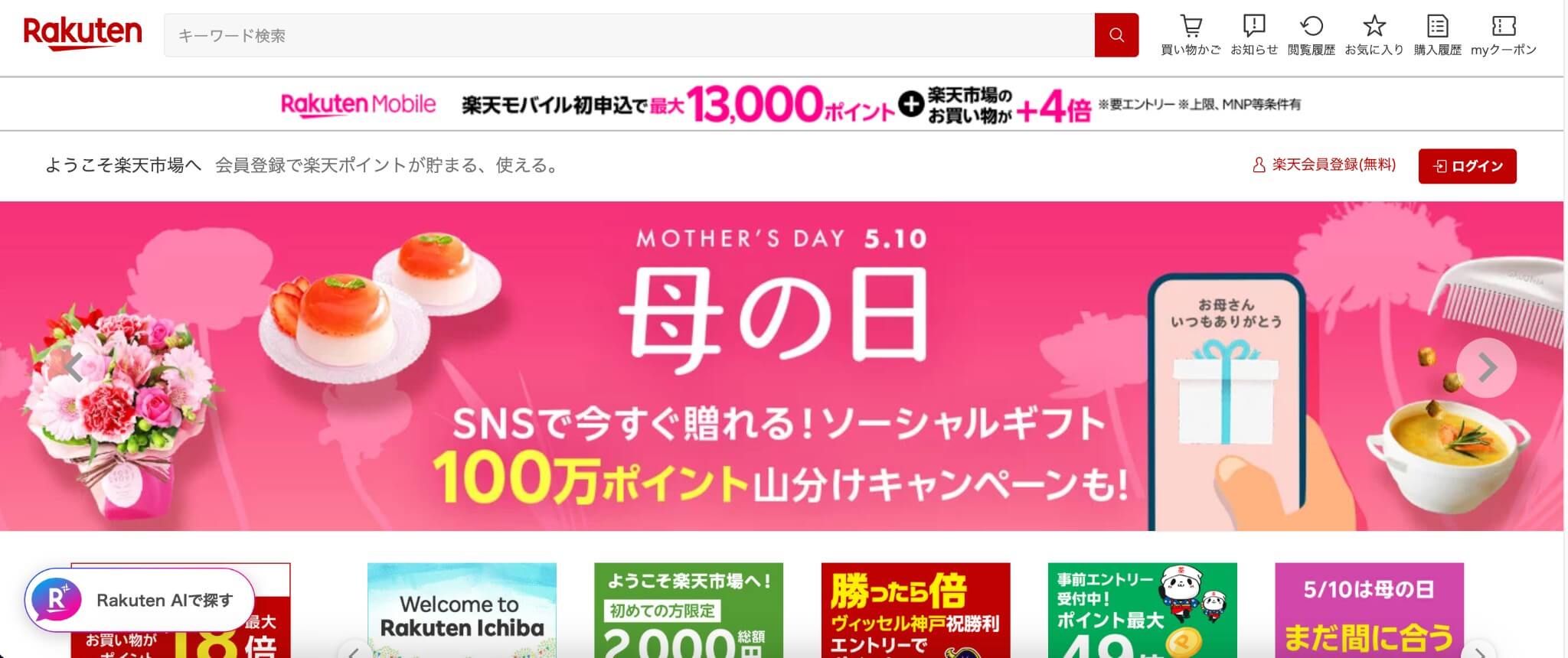
Rakuten is one of the most widely used shopping platforms in Japan, built around a marketplace model where multiple sellers list similar products. This setup gives buyers more flexibility when comparing prices and choosing between different stores.
The platform covers almost every major category, which makes it a common starting point for everyday purchases. From household items to electronics and beauty products, you can usually find several options for the same item at different price points.
Because pricing depends on individual sellers, Rakuten is often used by buyers who are willing to spend time comparing listings to find better deals rather than choosing the fastest checkout option.
Key features:
Large marketplace with multiple sellers per product
Strong price competition across listings
Wide range of everyday products
Reliable option for comparing deals
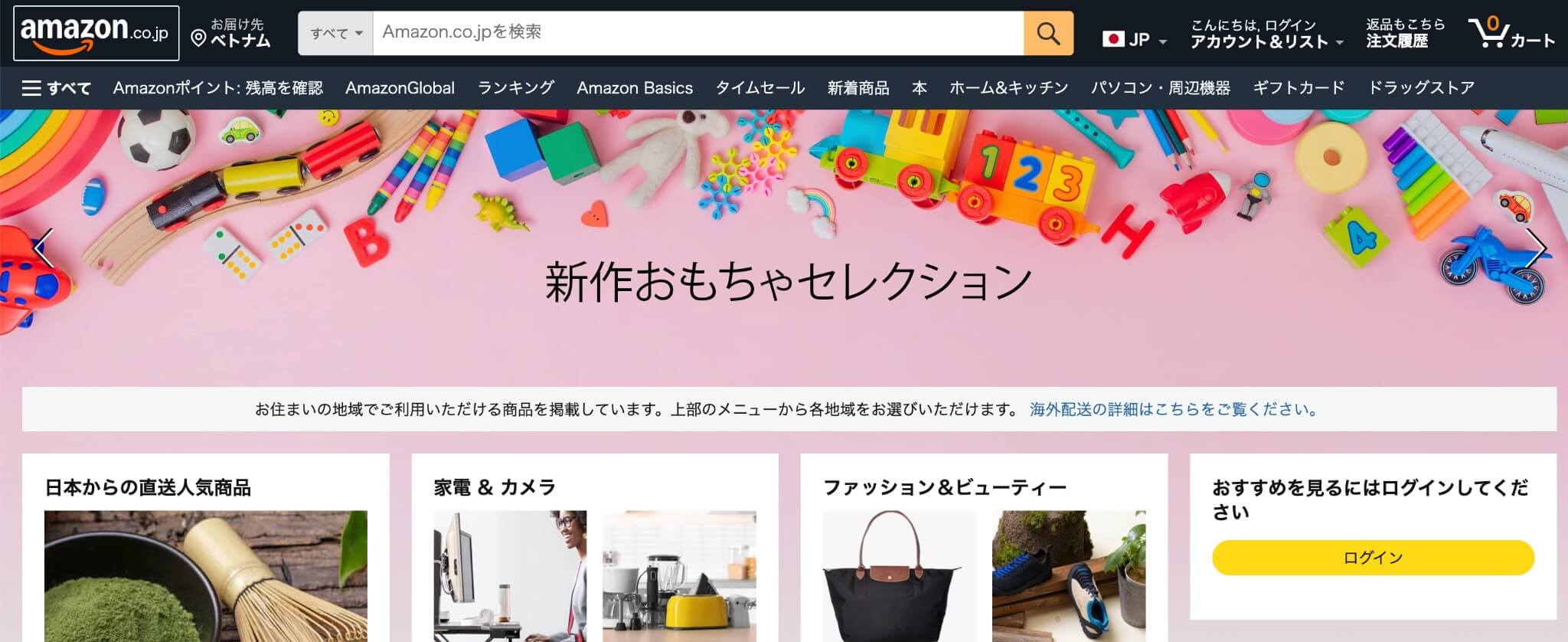
2. Amazon Japan
Category | Details |
Platform Type | Retail + marketplace |
Best For | Fast and convenient shopping |
Product Range | Everyday goods, electronics, essentials |
Pricing Style | Fixed pricing with some seller variation |
Availability | Limited international access (varies by product) |
Amazon Japan offers a more direct shopping experience compared to marketplace-heavy platforms. Products are often sold by Amazon itself or through verified sellers, which makes the process easier to navigate.
The main advantage lies in speed and simplicity. Listings are clearly structured, checkout is straightforward, and delivery is typically faster. This makes it a practical choice when convenience matters more than comparing multiple sellers.
For everyday purchases where time is a priority, Amazon Japan is often the more efficient option.
Key features:
Simple and structured shopping experience
Fast checkout and delivery
Reliable listings with clear product information
Suitable for quick, everyday purchases
For Deals & Second-Hand Finds
If you’re looking to spend less or find items that are no longer available in retail stores, resale platforms are where most buyers go. These websites are built around peer-to-peer selling, which means prices are often more flexible and inventory changes constantly.
Unlike traditional marketplaces, the value here comes from timing and discovery. New listings appear frequently, and some of the best deals don’t stay available for long. At the same time, many platforms allow direct interaction with sellers, which creates more room for negotiation.
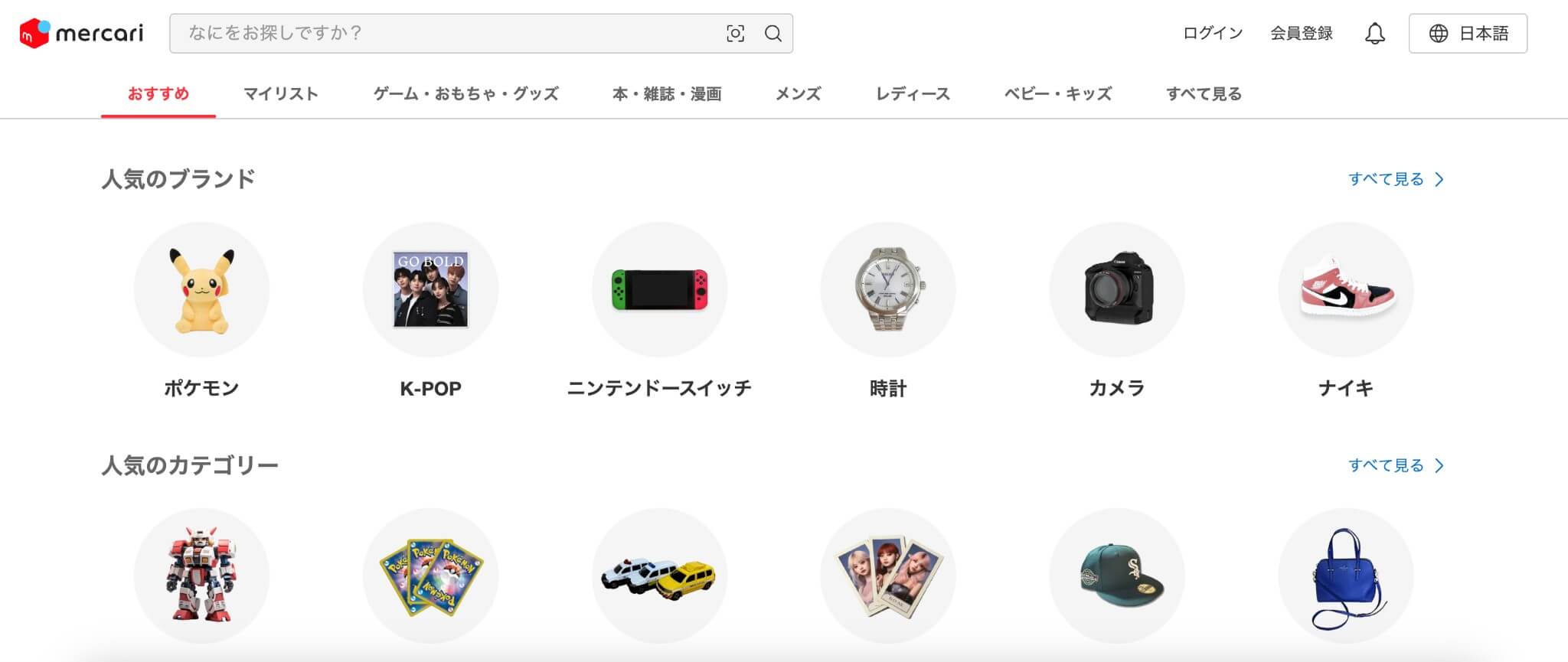
3. Mercari
Category | Details |
Platform Type | Peer-to-peer marketplace |
Best For | Second-hand deals, trending items |
Product Range | Fashion, electronics, collectibles |
Pricing Style | Flexible, negotiation allowed |
Availability | Local-focused platform |
Mercari is one of the most active resale platforms in Japan, where individuals list items directly for sale. New listings appear constantly, and popular products can sell quickly, especially in categories like fashion and electronics.
Pricing is not fixed, which gives buyers more room to negotiate. This creates more opportunities to secure lower prices compared to traditional retail platforms.
Because of the fast turnover, Mercari works best for buyers who check listings regularly and act quickly when they find something valuable.
Key features:
Large peer-to-peer resale marketplace
Frequent new listings with fast turnover
Ability to negotiate directly with sellers
Strong presence in trending categories
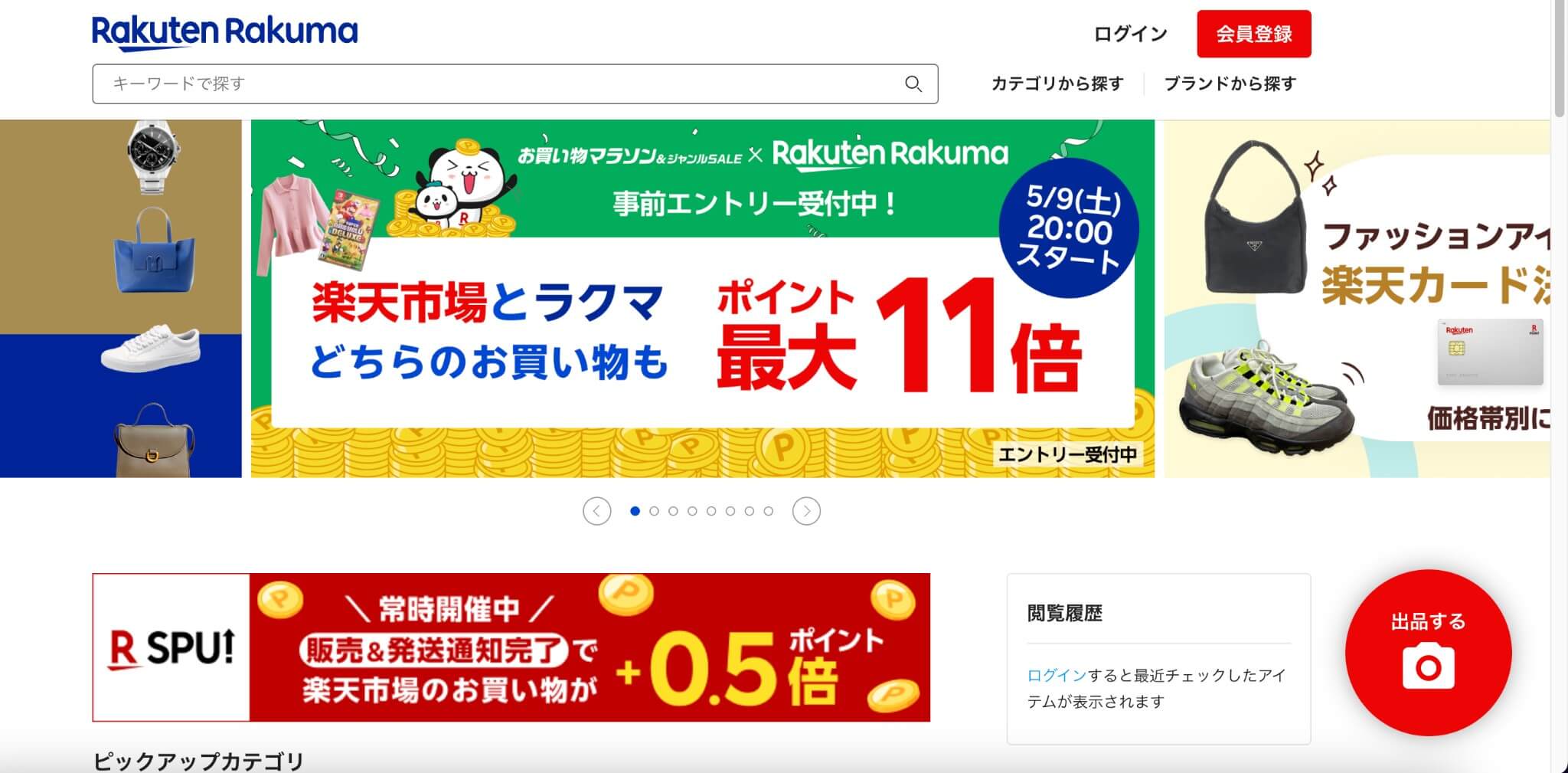
4. Rakuma
Category | Details |
Platform Type | Peer-to-peer marketplace |
Best For | Stable second-hand browsing |
Product Range | Fashion, daily items, collectibles |
Pricing Style | Lower competition, stable pricing |
Availability | Local-focused platform |
Rakuma follows a similar peer-to-peer model but with a slower pace compared to Mercari. Listings tend to stay available longer, which makes it easier to browse and compare before making a decision.
Prices are often more stable due to lower competition, which can be helpful if you prefer not to rush into purchases.
Rakuma is a better fit for buyers who want a more relaxed browsing experience while still accessing second-hand deals.
Key features:
Slower listing turnover for easier browsing
More stable pricing compared to faster platforms
Good selection of second-hand items
Suitable for more considered purchases
For Rare & Collectible Items
If your goal is to find items that are no longer available in retail stores, standard marketplaces usually won’t be enough. This is where auction-based platforms come in. Instead of fixed pricing, items are listed for bidding, which means availability and final price depend on demand.
For collectors, this opens up access to a much wider range of inventory, including discontinued products, limited releases, and unique items that rarely appear on traditional platforms.
5. Yahoo Auctions (JDirectItems Auction)
Category | Details |
Platform Type | Auction marketplace |
Best For | Rare items, collectibles, discontinued products |
Product Range | Vintage goods, anime items, luxury resale, electronics |
Pricing Style | Bidding-based |
Availability | Primarily for local users |
Yahoo Auctions is one of the most widely used auction platforms in Japan, especially among buyers who are looking for items that are difficult to find elsewhere. Listings often include discontinued products, vintage goods, and limited-edition releases that are no longer available through standard retail channels.
Because items are sold through bidding, prices can vary depending on interest and timing. Some products may sell below market value, while others attract higher bids due to rarity or demand.
The platform requires more attention compared to fixed-price marketplaces, as buyers need to monitor auctions and act within a limited timeframe.
Key features:
Auction-based system for rare and hard-to-find items
Access to discontinued and limited-edition products
Wide range of collectible categories
Dynamic pricing based on demand
For Fashion & Trends
For buyers who focus on clothing, style, and seasonal trends, general marketplaces can feel too broad. Fashion-focused platforms are designed to make browsing easier by organizing products around brands, collections, and current styles.
This makes them more suitable for shoppers who want to explore curated selections rather than search through mixed product categories.
6. ZozoTown
Category | Details |
Platform Type | Fashion-focused marketplace |
Best For | Clothing, streetwear, brand shopping |
Product Range | Japanese fashion, international brands, accessories |
Pricing Style | Fixed pricing |
Availability | Primarily for local users |
ZozoTown is one of the leading fashion platforms in Japan, bringing together a wide range of local and international brands in one place. The platform is designed around style and brand discovery, which makes it easier to browse collections and find items based on current trends.
Compared to general marketplaces, the shopping experience is more structured. Products are organized by brand, category, and style, allowing buyers to navigate more efficiently when looking for specific types of clothing.
ZozoTown is commonly used by shoppers who follow Japanese fashion trends or want access to brands that are not widely available outside Japan.
Key features:
Strong focus on fashion and brand-based browsing
Access to Japanese and international clothing brands
Organized shopping experience by style and category
Suitable for trend-focused purchases
For International Buyers
For buyers outside Japan, the experience is very different. Most Japanese shopping websites are built for domestic users, which means international shoppers often run into issues when trying to complete a purchase.
Even if you can browse products or translate the page, problems usually appear at checkout. Some platforms do not accept international payment methods, while many sellers only ship within Japan. This makes it difficult to move from finding a product to actually buying it.
Because of this, international buyers need a different approach. Instead of relying on individual local websites, they need a platform that allows them to browse, purchase, and receive products without dealing with these restrictions.
Category | Details |
Platform Type | Japanese e-commerce platform |
Best For | Shopping from Japan internationally |
Product Range | Retail, second-hand, auctions, niche products |
Pricing Style | Depends on source (fixed, resale, auction) |
Availability | Designed for global users |
Janbox works as a unified Japanese shopping platform built for international buyers. Instead of navigating multiple local websites with different rules, you can browse products, compare options, and complete purchases within a single system.
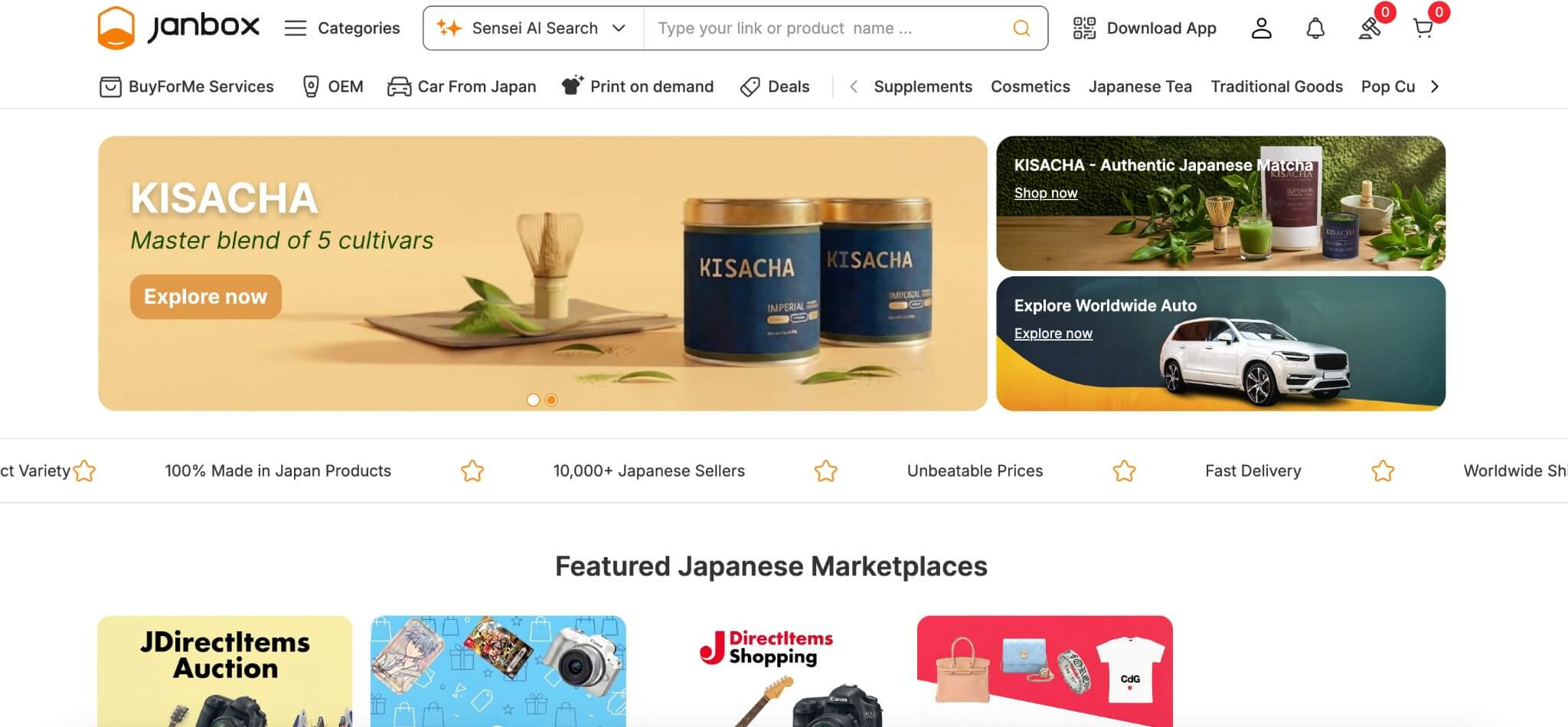
The platform brings together different types of Japanese marketplaces, including retail stores, resale listings, and auction-based products. This allows you to explore a wider range of items without switching between separate platforms or creating multiple accounts.
At the same time, the experience is structured to support international users. From browsing to checkout and delivery, the process is designed to reduce the common barriers that usually appear when shopping directly from Japanese websites.
This makes it easier to move from discovering a product to actually receiving it, without dealing with fragmented systems or limited access.
Why Is It Hard to Shop Directly on a Japanese Shopping Website?
At first, most Japanese shopping websites look easy to navigate. You can browse products, compare prices, and even use translation tools to understand basic information. The difficulty usually appears when you try to complete the purchase.
Language and Interface Limitations
Most platforms are designed entirely in Japanese, including product descriptions, seller notes, and checkout instructions. While translation tools can help with basic browsing, they often miss important details such as sizing, product condition, or specific terms used by sellers.
This can lead to confusion, especially when buying second-hand or collectible items where small details matter.
Payment Restrictions
Many Japanese shopping websites only support domestic payment methods. Some require locally issued credit cards, while others rely on options like convenience store payments or bank transfers.
Even if an international card is accepted, it may not work consistently across all listings or sellers. This makes it difficult to complete transactions without a locally supported payment method.
Limited Shipping Options
A large number of sellers only ship within Japan. This means that even if you successfully place an order, there is no direct option to send the product overseas.
When buying from different platforms or multiple sellers, this limitation becomes even more difficult to manage, as each order may require a separate shipping solution.
Fragmented Buying Process
Each platform operates independently, with its own rules, account system, and checkout flow. If you want to shop across multiple websites, you need to manage separate accounts, payments, and orders.
This creates a fragmented experience where each step works on its own, but not always together. Moving from browsing to payment to delivery often requires switching between different systems.
Fast-Moving Listings and Timing Pressure
On resale and auction platforms, listings can change quickly. Popular items may be sold within minutes, while auction-based products require close monitoring to avoid missing deadlines.
Without familiarity with how these platforms work, it becomes harder to react in time or make confident decisions.
How to Order from Any Japanese Shopping Website via Janbox
After seeing where most purchases tend to break down, the next question is how to actually complete an order from a Japanese shopping website without running into those same barriers.
Instead of trying to handle each platform separately, Janbox gives you a more direct way to shop. You don’t need to deal with different systems for browsing, payment, and shipping. Everything is handled within a single flow designed for international buyers.
Here’s how the process works step by step.
Step 1: Find the Product You Want
Start by searching for the product directly on Janbox using the Sensei AI Search feature. Instead of manually browsing multiple Japanese websites, you can enter a keyword, paste a product link, or even search by item name to explore listings across different sources.
Sensei AI Search helps you quickly surface results from multiple platforms such as JDirectItems, Mercari, and other supported marketplaces in one place. This makes it easier to compare options without switching between different websites.
At this stage, you can review product details, check pricing, and choose the listing that best fits your needs before moving to the next step.
Step 2: Review Pricing and Product Details
Once you’ve selected a product, you can check the full pricing before placing an order. This typically includes the product price, service fees (if any), and estimated shipping costs.
Having everything displayed in one place makes it easier to understand the total cost upfront instead of calculating it across different platforms.
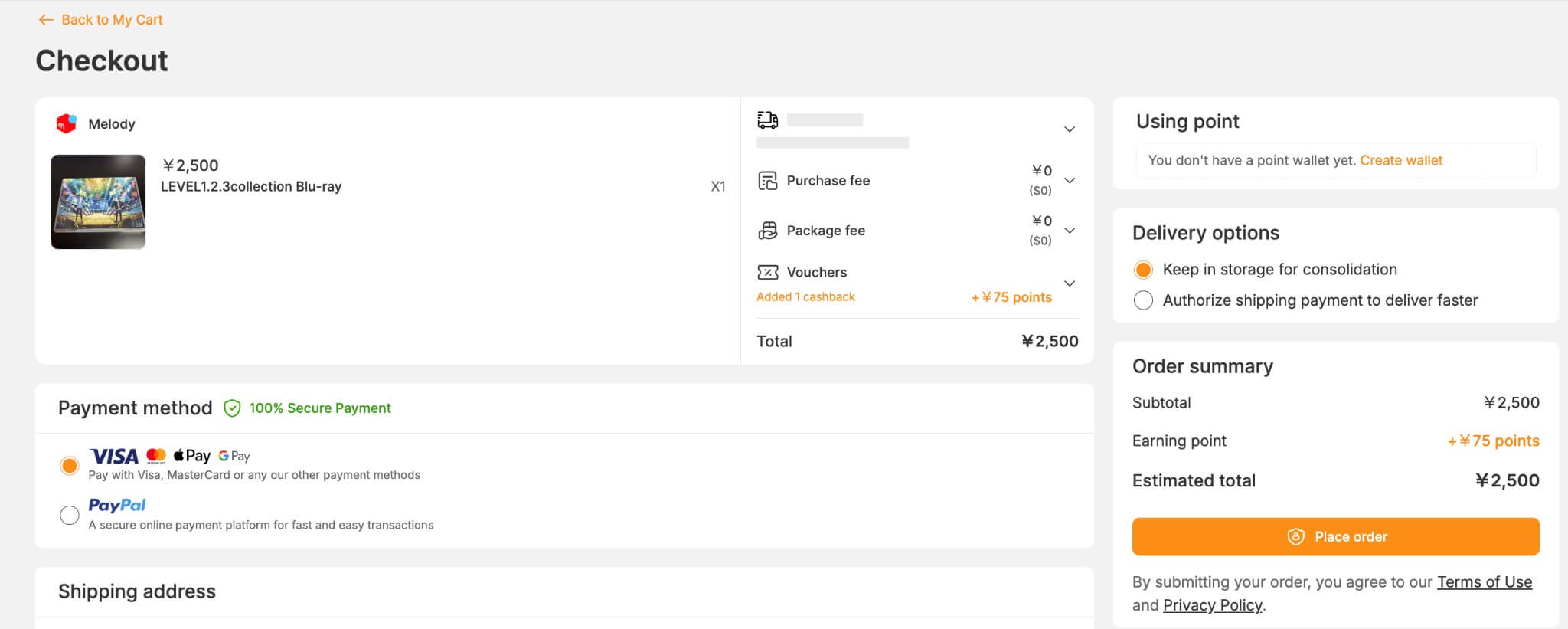
Step 3: Place Your Order
After confirming the details, you can proceed with the order using a supported payment method. The checkout process is structured to work for international buyers, so you don’t need to rely on local payment systems or additional verification steps.
Step 4: Item Arrival and Storage
Once the order is placed, the item is received and stored at a warehouse in Japan. This step allows you to manage multiple purchases from different sellers before shipping them internationally.
Step 5: Combine Orders and Choose Shipping
If you purchase multiple items, you can combine them into a single shipment. This helps reduce shipping costs and simplifies delivery.
You can then choose the shipping method based on speed, cost, or destination.
Step 6: Receive Your Package
After shipping is arranged, your order is delivered to your address. At this point, the entire process from browsing to delivery has been completed within one system, without needing to switch between multiple websites.
Conclusion
Japanese shopping websites offer a wide range of products, from everyday items to second-hand deals and niche collectibles that are hard to find elsewhere. Each platform serves a different purpose, which is why choosing the right one depends on what you want to buy.
Hopefully, after reading this guide, you can choose the right Japanese shopping website and feel more confident when placing your first order.
FAQs
What is the best Japanese shopping website to use?
There is no single platform that works best for everything. If you are looking for everyday products, general marketplaces are usually the starting point. For second-hand deals, resale platforms offer more flexible pricing. If your goal is to shop from Japan internationally, you will need a platform that supports payment and shipping outside Japan like Janbox, rather than relying on local websites directly.
Can I use Japanese shopping websites outside Japan?
In most cases, you can browse Japanese shopping websites from anywhere, but completing a purchase is more difficult. Many platforms require local payment methods or only ship within Japan. This means international buyers often need an alternative way to handle payment and delivery.
Why are prices on Japanese websites sometimes cheaper?
Prices can be lower because many sellers are targeting local buyers and do not factor in international demand. On resale platforms, pricing is also influenced by supply, condition, and how quickly sellers want to complete a sale. This creates more variation and sometimes better deals compared to global marketplaces.
Is it safe to buy from Japanese shopping websites?
Japanese platforms are generally considered reliable, especially when product descriptions are detailed and seller ratings are visible. However, the level of information can vary depending on the seller, particularly on resale and auction platforms. Taking time to review listings carefully can help reduce risk.
How can I ship items from Japan to my country?
Since many sellers do not ship internationally, you will need a way to receive the item in Japan first and then send it overseas. This usually involves using a platform that supports international orders, handles local delivery, and allows you to arrange shipping to your address.
Table of Contents
Related Posts