Buy from Japan and Ship to Singapore: The Complete Shopping & Shipping Guide
Found something you want on a Japanese website but aren't sure if it can be shipped to Singapore? Or maybe you've discovered that the store only accepts Japanese payment methods or doesn't offer international delivery at all.
If you're trying to buy from Japan and ship to Singapore, these are some of the most common obstacles shoppers run into. Fortunately, they're also much easier to overcome than they might seem. Once you know where to shop, which shipping method to choose, and how the buying process works, ordering directly from Japan becomes much more straightforward. This guide walks you through every step, from finding authentic products to getting them delivered safely to your doorstep in Singapore.
Can You Buy Products Directly from Japan to Singapore?
Buying directly from Japan is entirely possible, but the experience depends on where you're shopping. While some Japanese retailers offer international shipping to Singapore, many still serve only domestic customers. It's not uncommon to find a product you want, only to discover that the website requires a Japanese shipping address, accepts only local payment methods, or doesn't support overseas orders.
That doesn't mean the product is out of reach. Many shoppers in Singapore purchase directly from Japanese stores by using cross-border shopping services that handle local payments, receive packages in Japan, and arrange international shipping. This opens access to far more products than international storefronts alone.
In the next sections, we'll look at what you can buy, where to shop, and how to get your purchases shipped safely from Japan to Singapore.
What Products Can and Cannot Be Shipped From Japan to Singapore?
One of the biggest advantages of shopping from Japan is the incredible variety of products available. From everyday essentials to Japan-exclusive releases, most consumer goods can be shipped to Singapore without any major issues. That said, some categories are subject to transportation restrictions or Singapore's import regulations, making it important to check before placing an order.
Popular Japanese Products
Japan is known for producing high-quality products across a wide range of categories, many of which are either unavailable or significantly more expensive outside the country. Some of the most popular purchases among Singapore shoppers include:
Anime merchandise, such as figures, trading cards, model kits, plush toys, and limited-edition collaboration items.
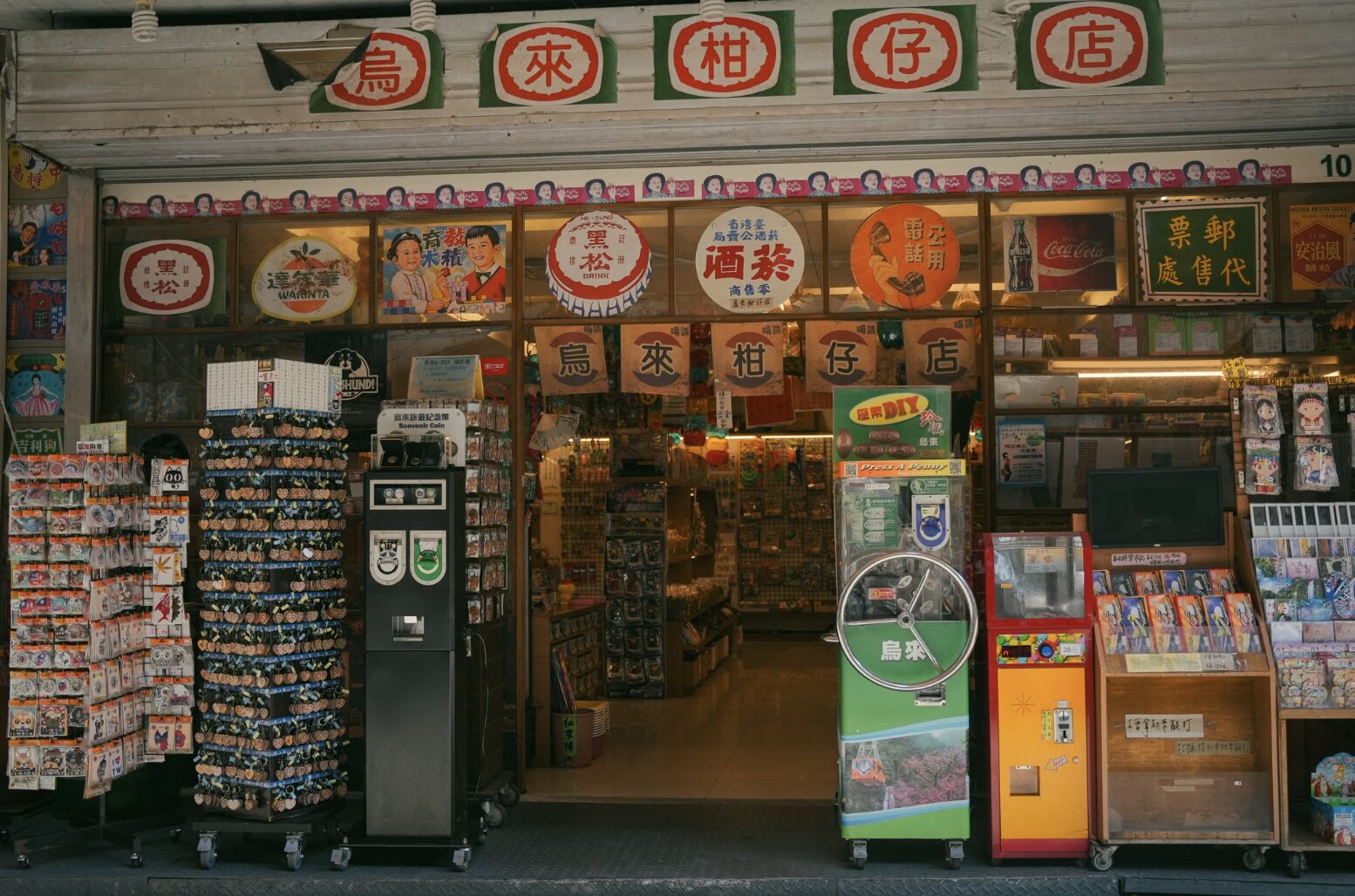
Beauty and cosmetics, including skincare, makeup, haircare products, and Japanese drugstore favorites.
Fashion and accessories, from everyday brands to luxury labels and second-hand designer pieces.
Electronics, including cameras, gaming accessories, headphones, keyboards, and other consumer gadgets.
Collectibles and hobby items, ranging from vintage collectibles to character goods, books, and specialty merchandise.
Most of these products can be shipped internationally through standard courier or postal services, making them some of the easiest categories to buy from Japan.
Restricted Products
Not every product is eligible for international shipping. Some items are restricted because of airline safety regulations, while others are controlled by Singapore Customs or government agencies.
Common restricted items include:
Product | Why It May Be Restricted |
Fresh food and perishable items | Subject to food import regulations and limited shelf life. |
Alcohol | May require permits and is subject to duties and taxes upon import. |
Lithium batteries | Restricted by airline safety rules, particularly when shipped separately. |
Dangerous or hazardous goods | Includes flammable liquids, aerosols, chemicals, and other regulated materials. |
Plants and seeds | Subject to Singapore's agricultural and biosecurity requirements. |
If you're unsure whether a product can be shipped, it's worth checking the shipping restrictions before completing your purchase. Spending a few minutes verifying the item's eligibility can help you avoid cancelled orders, customs delays, or unexpected shipping costs.
Where to Buy Japanese Products Online?
There are several ways to shop from Japan, and the best option depends on what you're looking for. If you're buying newly released products from a specific brand, official online stores are usually the safest choice. If you're searching for better prices, discontinued items, or second-hand finds, Japanese marketplaces offer a much wider selection.
Official Japanese Stores
Many Japanese brands operate their own online stores, making them the best place to purchase authentic products directly from the manufacturer. Shopping from official websites also gives you access to the latest product launches, seasonal collections, and brand-exclusive promotions that may not be available through third-party sellers.
Popular examples include Nintendo Store, Pokémon Center Online, Shiseido, Muji, and other official Japanese retailers. However, keep in mind that not every brand offers international shipping, and some websites only accept orders within Japan.
Japanese Marketplaces
If you're looking for more product choices or better prices, Japanese marketplaces are often the better option. Instead of shopping from a single retailer, these platforms bring together thousands of sellers, making it easier to compare listings, discover rare products, and find second-hand items in excellent condition.
Some of the most popular marketplaces include:
Rakuten for brand-new products across nearly every category.
Mercari for second-hand goods, collectibles, and limited-edition items.
Yahoo! Shopping for everyday shopping from thousands of Japanese merchants.
Yahoo! Auctions for rare, vintage, and hard-to-find products through auction-style listings.
Suruga-ya for anime merchandise, games, books, figures, and other collectibles.
Each marketplace has its own strengths, but many are designed primarily for domestic customers. As a result, international shoppers may still need a cross-border shopping service to purchase items and arrange delivery outside Japan.
Why Choose Janbox for Shopping from Japan?
Shopping directly from Japan can be rewarding, but it isn't always convenient for international buyers. While some Japanese retailers offer overseas shipping, many only deliver within Japan or require a local payment method. If you're buying from multiple marketplaces, you'll also need to manage separate orders, shipping arrangements, and deliveries.
Janbox helps simplify the process by bringing everything together in one place. Instead of juggling multiple services, you can shop across Japanese marketplaces, complete your purchase, manage your orders, and arrange international shipping through a single platform.
With Janbox, you can:
Shop across multiple Japanese marketplaces including Rakuten, Mercari, Yahoo! Japan, and more without creating separate accounts for each platform.
Buy from Japanese sellers that don't ship internationally, as Janbox handles the domestic purchasing process on your behalf.
Manage your entire order in one place, from payment and warehouse storage to package consolidation and international shipping.
Reduce shipping costs by combining purchases from different sellers into a single international shipment.
Choose the shipping option that best fits your budget and delivery timeline, whether you prioritize speed or lower costs.
Track your orders from purchase to delivery through one centralized dashboard, making it easier to stay updated throughout the shipping process.
How to Buy from Japan and Ship to Singapore with Janbox
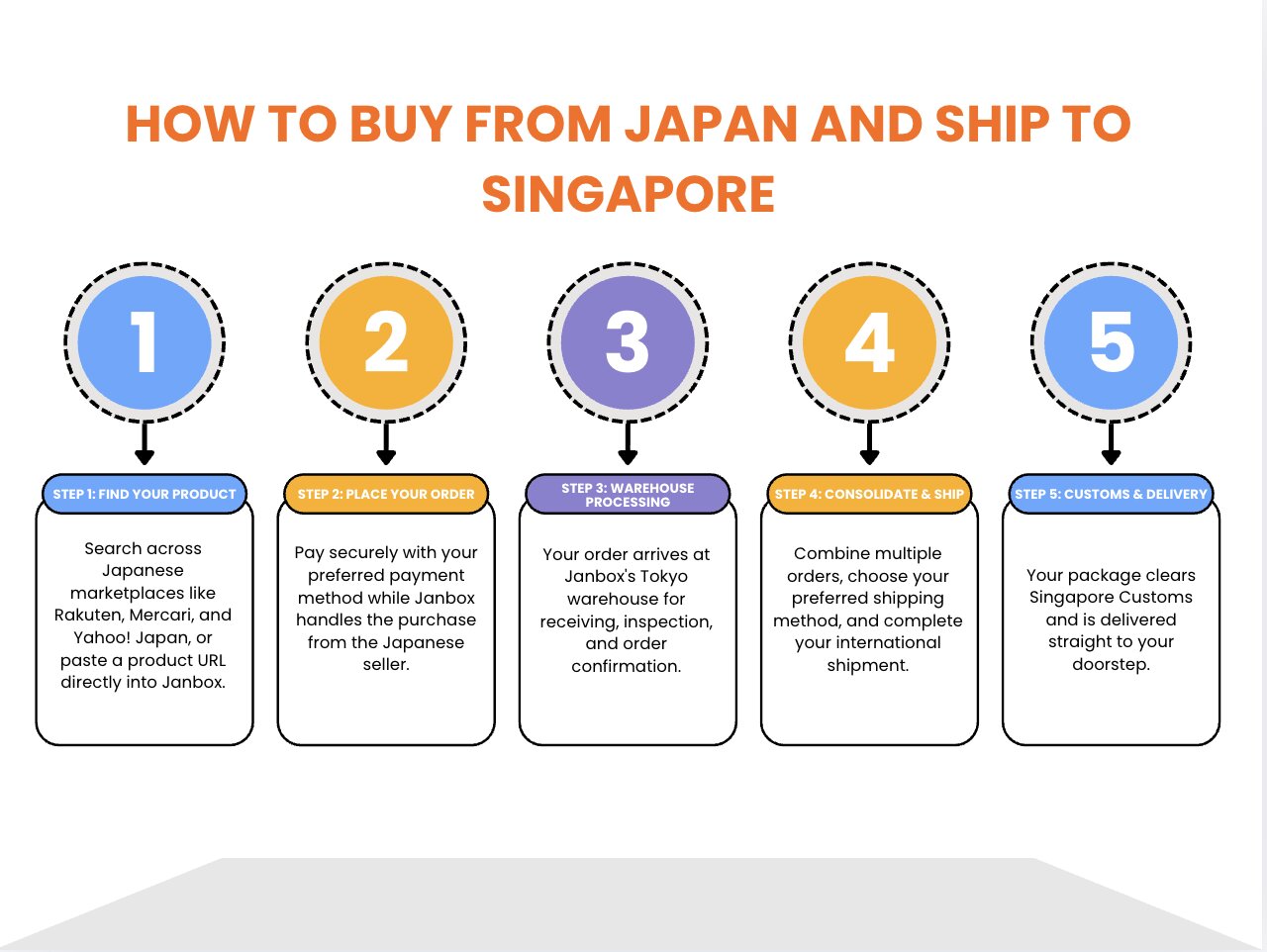
Ordering authentic Japanese products from Singapore is simple and seamless when using Janbox, a cross-border e-commerce marketplace that directly connects global shoppers with native Japanese stores and sellers. By unifying multiple marketplaces under one platform, Janbox eliminates payment blocks and domestic address restrictions completely. Here is how the process works from browsing to doorstep delivery:
Step 1: Find Your Target Item on Japanese Marketplaces
Start by browsing popular Japanese sellers on Mercari, Rakuten, or Yahoo! Japan. When you spot an item you want, simply copy its product title, Japanese keyword, or exact URL and paste it into the search bar on the Janbox marketplace. The platform automatically translates product descriptions, seller ratings, and listing details into English, making it easy to review specifications and select your desired item options accurately.
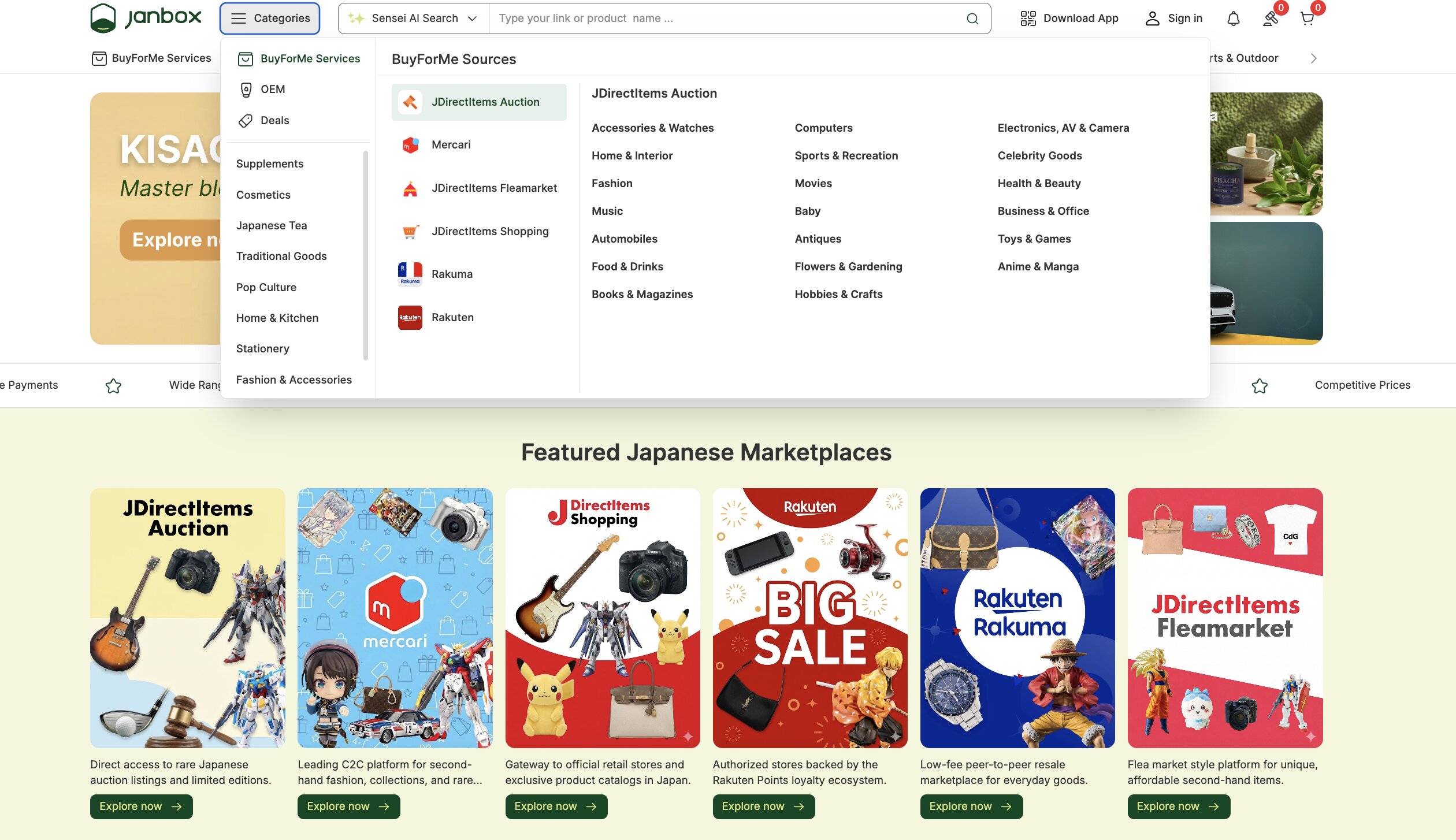
Step 2: Place Order with Automated Payment
Add the selected product to your cart and proceed to checkout using your preferred Singapore payment methods, such as a local credit card or PayPal. This removes the hassle of foreign payment blocks that usually happen when attempting to buy directly on domestic Japanese sites. Once your order is submitted, Janbox automatically processes the transaction with the native merchant.
Step 3: Warehouse Receiving & Quality Inspection in Tokyo
After the domestic Japanese seller dispatches your order, it arrives at Janbox's secure processing facility in Tokyo. Upon arrival, warehouse staff receive the package, perform an initial physical inspection to verify that the item matches your order details, and upload confirmation photo updates straight to your personal marketplace account dashboard.
Step 4: Consolidate Shipments & Select Shipping Mode (Air or Sea)
If you are buying from multiple storefronts on the marketplace, take advantage of 45 days of free warehouse storage to gather all your items in one place. You can request package consolidation to strip away bulky outer merchant packaging and combine separate orders into a single, compact box. Next, pick the international shipping method that fits your budget and timeline and complete the final international freight payment.
Step 5: Customs Clearance & Final Doorstep Delivery in Singapore
Once dispatched, your consolidated shipment undergoes automated export processing with pre-filled customs documentation. Upon arrival at Changi, the parcel clears Singapore Customs smoothly and is handed over to local logistics partners or SingPost for final delivery right to your home or office address in Singapore.
What Shipping Methods and Delivery Times Are Available from Japan to Singapore?
Once your order is ready to leave Japan, the next step is choosing the shipping method that best suits your needs. The right option depends on how quickly you want your package to arrive, the size and weight of your shipment, and your shipping budget. Below is a comparison of the most common shipping methods available from Japan to Singapore.
Air Express (DHL, FedEx, UPS)

Air Express is the fastest shipping option from Japan to Singapore, with most deliveries arriving within a few business days. It's ideal for urgent orders, valuable products, or purchases where speed is more important than shipping costs.
Best for:
Time-sensitive orders
High-value items
Business purchases
Fragile products that benefit from shorter transit times
Estimated delivery: 2–4 business days
EMS (Japan Post)
EMS offers a balance between cost and delivery speed. While it may take slightly longer than private couriers, it's often more affordable and provides tracking throughout the journey.
Pros
Good balance between price and speed
Reliable international tracking
Widely available across Japan
Cons
Delivery times may vary during peak seasons
Less flexible than private express couriers
Estimated delivery: 3–6 business days
Economy Air Mail
Economy Air Mail is designed for shoppers who aren't in a hurry and want to reduce shipping costs. Although delivery takes longer than EMS or express couriers, it's a practical option for lightweight, lower-value purchases.
Pros
Lower shipping costs
Suitable for small, non-urgent packages
Cons
Longer delivery times
Limited services compared to premium shipping options
Estimated delivery: 7–12 business days
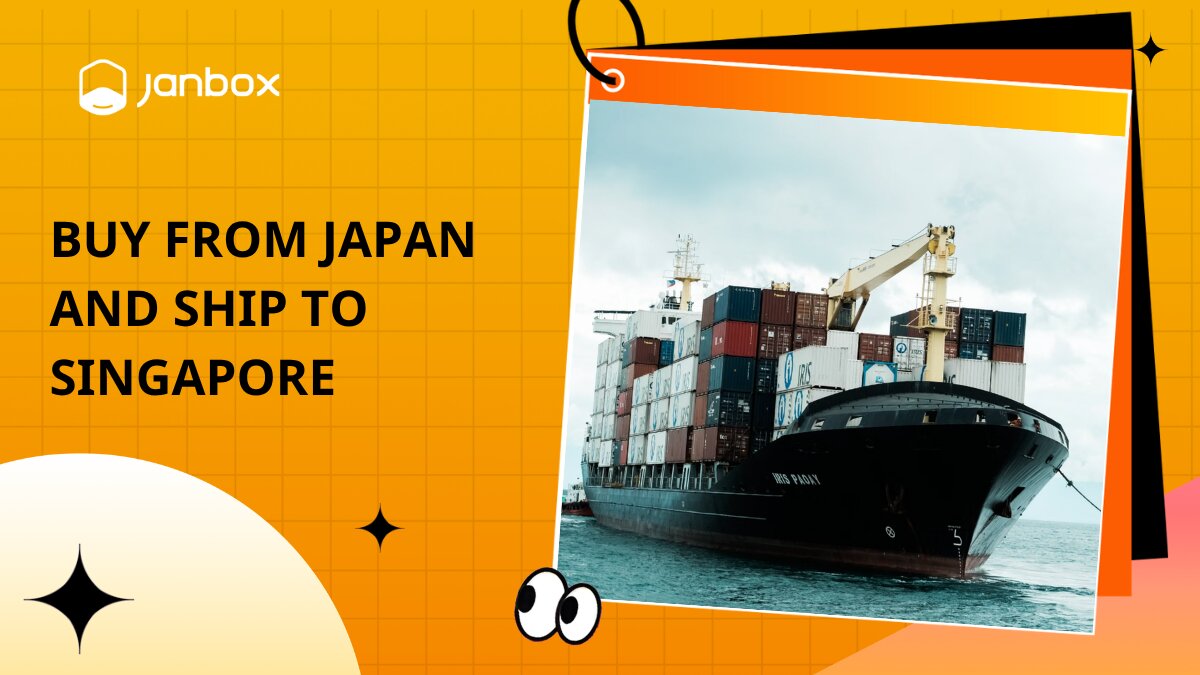
Sea Freight
Sea freight is the most economical choice for large or heavy shipments, especially when shipping bulky items or multiple purchases together. The trade-off is a significantly longer transit time, making it unsuitable for urgent deliveries.
Best for:
Heavy or oversized packages
Bulk purchases
Cost-conscious shoppers who don't mind waiting
Estimated delivery: 3–6 weeks
Freight Forwarding & Package Consolidation
If you're purchasing from multiple Japanese stores or marketplaces, shipping every package separately can quickly increase your overall costs. Package consolidation allows multiple orders to be combined into one international shipment, helping reduce shipping fees while making customs clearance more straightforward. This is especially useful when shopping from different sellers before shipping everything to Singapore in one delivery.
Shipping Method Comparison
Shipping Method | Delivery Time | Cost | Best For |
Air Express (DHL, FedEx, UPS) | 2–4 business days | High | Urgent, high-value, or time-sensitive orders |
EMS (Japan Post) | 3–6 business days | Medium | Most everyday purchases |
Economy Air Mail | 7–12 business days | Low | Small, non-urgent packages |
Sea Freight | 3–6 weeks | Lowest | Heavy, oversized, or bulk shipments |
How Much Does Shipping Cost?
International shipping costs from Japan to Singapore vary based on parcel characteristics and carrier selection. Understanding how freight rates are calculated allows you to optimize your order and avoid unexpected logistics expenses:
Actual weight: The physical weight of your package measured in kilograms. Heavier items naturally require higher base carrier fees.
Volumetric (Dimensional) weight: International air express carriers calculate costs using the dimensional formula: Volumetric Weight (kg) = (Length (cm) x Width (cm) x Height (cm)) / 5000
Carriers bill based on whichever value is higher between actual weight and volumetric weight. For example, shipping a lightweight but bulky plush toy or retail box can incur higher freight costs than a small, dense item due to space consumption.Selected carrier: Premium global couriers like DHL and FedEx charge higher base rates for priority handling, whereas postal options like EMS or Air Mail offer lower baseline pricing.
Shipping speed: Air express delivery options carry a premium price tag for rapid 2-to-4 day transit, while ocean sea freight delivers significant savings for non-urgent shipments.
Shipping insurance: Protecting high-value merchandise (such as rare collectibles, luxury goods, or fine electronics) against loss or transit damage typically adds a minor fee calculated as a percentage of the item's declared value.
Package consolidation: Combining multiple separate purchases into a single box eliminates redundant base shipping fees from individual merchant deliveries, reducing total international freight expenses by up to 80%.
Do You Need to Pay GST or Import Tax in Singapore?
Yes, importing goods from Japan to Singapore is subject to Singapore's taxation and customs framework administered by Singapore Customs and the Inland Revenue Authority of Singapore (IRAS).
Goods and Services Tax (GST)
Singapore enforces a standard 9% Goods and Services Tax (GST) on all imported consumer goods:
Low-Value Goods (SGD $400 or Less): Non-dutiable goods valued at SGD $400 or less imported via air or post are subject to 9% GST under the Low Value Goods (LVG) framework. On registered cross-border e-commerce marketplaces like Janbox, this 9% GST is calculated and collected automatically at online checkout, allowing your parcel to clear Singapore Customs instantly upon arrival without manual payment stops.
High-Value Goods (Over SGD $400): When a single incoming shipment exceeds SGD $400 in total value, 9% GST applies to the complete CIF Value (Cost of product + Insurance + Freight/Shipping). The tax is assessed at the border upon entry into Changi and paid prior to final release.
Import Duties and Dutiable Goods
The vast majority of standard consumer merchandise, including clothing, cosmetics, anime figures, stationery, and electronics, enters Singapore duty-free (0% customs duty).
Customs duties only apply to specific dutiable goods imported into Singapore, which include:
Intoxicating liquors and alcoholic beverages
Tobacco products and cigars
Motor vehicles and automotive chassis
Petroleum products
Tips to Save Money When Shipping from Japan
A few small decisions can make a noticeable difference to your total shipping costs. Keep these tips in mind before placing your order:
Consolidate multiple orders into one shipment instead of shipping each package separately.
Compare shipping methods before checking out, as faster isn't always the most cost-effective option.
Watch out for volumetric weight, since oversized packages may cost more even if they're relatively light.
Avoid peak shopping seasons like Golden Week or year-end holidays when shipping fees and delivery times are often higher.
Check import restrictions in advance to avoid cancelled orders, return fees, or customs delays.
Choose sea freight for heavy or bulky purchases if you don't need your order urgently.
Review the seller's packaging options when available, as excessive packaging can increase shipping costs.
Bundle purchases into fewer shipments rather than placing multiple small international orders over time.
Conclusion
Buying from Japan and shipping to Singapore is more accessible than ever, even if many Japanese retailers don't offer international shipping directly. Once you understand where to shop, which shipping method fits your needs, and what costs or import requirements to expect, ordering from Japan becomes a straightforward process.
Whether you're looking for the latest releases, hard-to-find collectibles, or everyday Japanese products, using a cross-border marketplace like Janbox makes it easier to shop across multiple Japanese marketplaces, manage your orders, and arrange international shipping from one place. With the right approach, you can enjoy a wider selection of authentic Japanese products delivered directly to your doorstep in Singapore.
FAQs
Can I combine orders from different Japanese stores into one shipment?
Yes. If you purchase from multiple Japanese sellers, many cross-border shopping platforms allow you to consolidate your orders into a single international shipment. This can help reduce shipping costs compared with sending each package separately.
Is it cheaper to buy directly from Japan than from local Singapore retailers?
In many cases, yes. Buying directly from Japan can offer lower prices, access to Japan-exclusive products, and a wider selection. However, it's important to factor in shipping costs, GST, and any applicable service fees when comparing the total cost.
Do Japanese websites accept Singapore credit cards?
Some do, but many domestic Japanese websites only accept local payment methods or Japanese-issued credit cards. Availability varies by retailer.
Can I buy second-hand products from Japan?
Yes. Japan has a well-established second-hand market, with many used items kept in excellent condition. Marketplaces such as Mercari and Yahoo! Auctions are popular destinations for collectibles, fashion, electronics, and hobby goods.
Are Japanese products authentic when purchased through online marketplaces?
Most established Japanese marketplaces have seller rating systems and buyer protection measures. To reduce risk, always purchase from reputable sellers with positive reviews and detailed product descriptions.
Is package consolidation worth it for small orders?
It depends on the size and value of your purchases. If you're ordering from several different sellers, consolidation can lower your overall shipping cost. For a single lightweight item, shipping it directly may be the more economical option.
Table of Contents
- Can You Buy Products Directly from Japan to Singapore?
- What Products Can and Cannot Be Shipped From Japan to Singapore?
- Where to Buy Japanese Products Online?
- Why Choose Janbox for Shopping from Japan?
- How to Buy from Japan and Ship to Singapore with Janbox
- What Shipping Methods and Delivery Times Are Available from Japan to Singapore?
- How Much Does Shipping Cost?
- Do You Need to Pay GST or Import Tax in Singapore?
- Tips to Save Money When Shipping from Japan
- Conclusion
- FAQs
- Can I combine orders from different Japanese stores into one shipment?
- Is it cheaper to buy directly from Japan than from local Singapore retailers?
- Do Japanese websites accept Singapore credit cards?
- Can I buy second-hand products from Japan?
- Are Japanese products authentic when purchased through online marketplaces?
- Is package consolidation worth it for small orders?
Related Posts